- Home
- Artificial Limb
- Leg Amputation: Types, Recovery & Life After Surgery Guide
Leg Amputation: Types, Recovery & Life After Surgery Guide
Table of Content
2. Types of Leg Amputation
3. Below-Knee Amputation (BKA)
4. Above the Knee Amputation (AKA)
5. Why Leg Is Amputated - Primary Causes
6. Leg Amputation Due to Diabetes - A Growing Concern
7. Artificial Leg After Amputation - Modern Prosthetic Solutions
8. Leg Amputation Recovery: Timeline and Process
9. Life After Leg Amputation - Adapting and Thriving
10. Life Expectancy After Leg Amputation
11. Amputated Leg Stump Care and Management
12. Leg Amputation Cost in India - Financial Planning Guide
13. Conclusion
14. Faqs
Introduction
Leg amputation is a life-changing surgical procedure that involves removing part or all of a leg due to medical necessity. Whether you're facing this procedure yourself or supporting a loved one, understanding the journey ahead is crucial for physical and emotional preparation.
This comprehensive guide addresses every aspect of leg amputation, from the initial diagnosis through recovery and adaptation to life with a prosthetic limb. We'll explore the various types of amputations, their causes, recovery processes, and the remarkable advances in prosthetic technology that help individuals regain mobility and independence.
Our goal is to provide clear, compassionate, and practical information that empowers patients and families to navigate this challenging experience with confidence. From understanding why amputation may be necessary to exploring life expectancy and quality of life post-surgery, we'll cover everything you need to know.
The journey doesn't end with surgery – it's the beginning of adaptation and discovering new possibilities. With proper medical care, rehabilitation, and support, many amputees lead fulfilling, active lives. Let's explore what this journey entails and how modern medicine and technology can help you or your loved one thrive after leg amputation.
Types of Leg Amputation
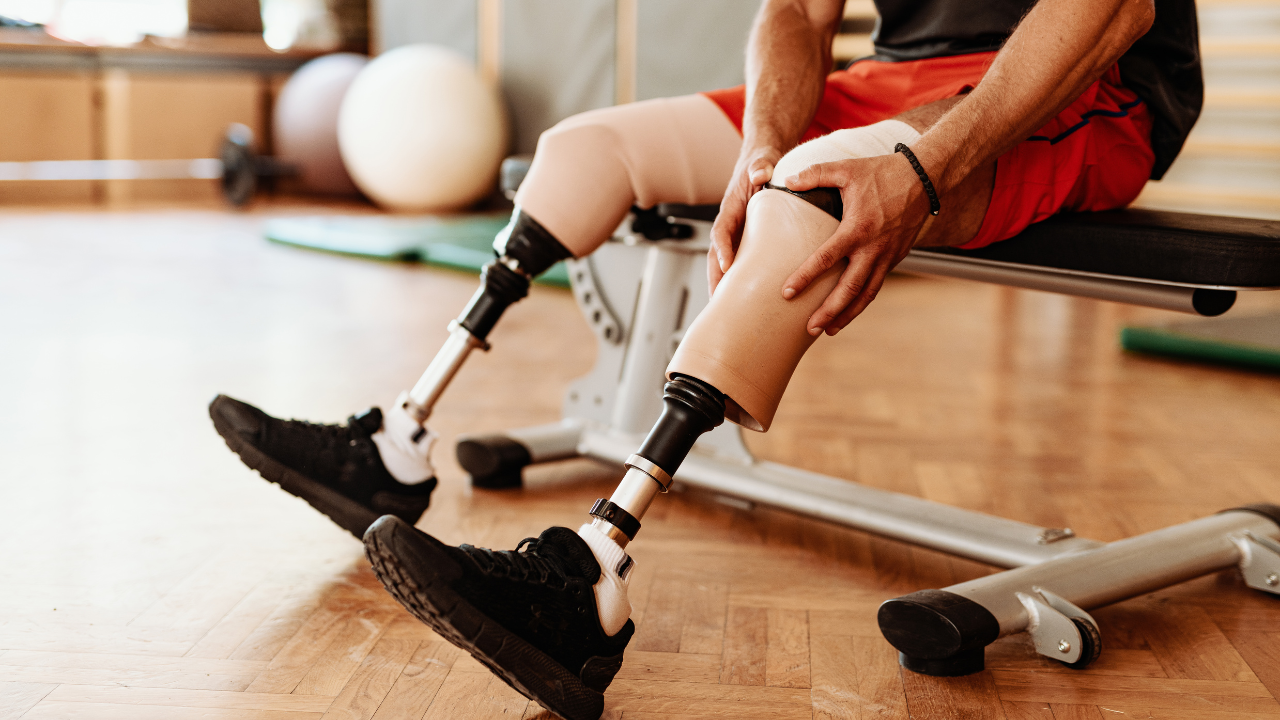
Leg amputations are classified based on the level of the limb that is removed. Each type serves a specific medical purpose and influences how well a person can use a prosthetic later. The most common type is the Below-Knee Amputation (BKA), where the lower leg is removed but the knee joint is preserved. This is often preferred because keeping the knee allows for easier walking, better balance, and a more natural gait with a prosthetic leg. BKAs are commonly performed for diabetes-related infections, circulation issues, or traumatic lower-leg injuries.
Another major category is the Above-Knee Amputation (AKA), where the leg is removed above the knee joint. This type is usually chosen when circulation is too poor below the knee, or there is extensive injury or infection spreading above the joint. Because there is no natural knee left, walking with a prosthetic leg becomes more challenging, requiring more strength and energy. However, modern microprocessor knee prosthetics have significantly improved mobility and comfort for AKA patients.
Other types include through-knee amputation, hip disarticulation, Syme’s amputation (ankle-level removal), and toe or partial-foot amputations. There is also bilateral amputation, which involves the removal of both legs—commonly seen in advanced diabetes or severe trauma cases.
Each amputation type requires different recovery strategies, rehabilitation approaches, and prosthetic solutions. Doctors choose the level carefully to ensure the patient retains maximum function, comfort, and long-term mobility. Understanding these types helps patients and families prepare better for recovery and prosthetic planning.
Below-Knee Amputation (BKA)
Below-knee amputation is one of the most common and successful types of leg amputations. In this procedure, the lower leg is removed while the knee joint is preserved, giving patients a major advantage in movement and prosthetic use. Since the knee remains intact, walking becomes more natural, balance is easier to maintain, and rehabilitation is generally faster compared to above-knee amputations.
Why BKA Is Preferred
Keeping the knee joint allows for:
- More comfortable and stable walking
- Reduced energy needed for movement
- Faster prosthetic training
- Better long-term mobility
- Higher likelihood of independent living
How the Surgery Works
During a BKA, surgeons:
- Remove the damaged or infected lower leg
- Shape the leg stump for prosthetic fitting
- Preserve as much healthy skin, muscle, and bone as possible
- Ensure proper blood supply to support healing
Advantages of Below-Knee Amputation
| No. | Benefit | Description |
|---|---|---|
| 1 | Faster Recovery | Healing time is shorter because the knee is preserved. |
| 2 | Better Prosthetic Control | The knee makes walking more natural. |
| 3 | Lower Physical Effort | Requires less energy than above-knee movement. |
| 4 | High Rehab Success Rate | Most BKA patients regain strong mobility. |
When Doctors Choose BKA
- Severe foot infections (especially in diabetes)
- Trauma below the knee
- Poor circulation in lower leg
- Non-healing ulcers or gangrene
Overall, BKA offers excellent chances for a mobile and independent life, especially with the right prosthetic device and physical therapy program.
Above the Knee Amputation (AKA)
• Transfemoral amputation - removal above the knee joint
• Requires more complex prosthetic devices
• Higher energy expenditure for walking
• Longer rehabilitation period
• May require additional mobility aids
Comparison Table: BKA vs AKA
| No. | Aspect | Below Knee (BKA) | Above Knee (AKA) |
|---|---|---|---|
| 1 | Mobility | Better balance, easier walking | More challenging, requires training |
| 2 | Prosthetic Cost | Generally lower | Higher due to knee joint |
| 3 | Recovery Time | 4-8 weeks initial | 6-12 weeks initial |
| 4 | Energy Use | 25% more than normal walking | 60-100% more than normal |
| 5 | Independence | Higher likelihood | May need more assistance |
Bilateral Below Knee Amputation
When both legs require amputation below the knee, patients face unique challenges but often achieve remarkable mobility with proper rehabilitation and dual prosthetics. Success depends on overall health, determination, and support system strength.
Why Leg Is Amputated - Primary Causes
- Leg amputation is most often the result of long-standing medical issues or sudden injuries that severely damage the limb. One of the top causes is diabetes, which can lead to nerve damage and poor blood circulation, making the feet and legs highly vulnerable to ulcers and infections. When wounds don’t heal properly, they may worsen into gangrene, leaving doctors no option but to amputate to prevent life-threatening complications. Another major cause is peripheral artery disease (PAD), a condition where blood vessels become blocked, reducing blood flow to the legs. Without enough oxygen, tissues begin to die, leading to the need for amputation.
- Accidents, especially road traffic injuries, are another common cause. Severe fractures, crushed limbs, and deep infections from open wounds may require emergency amputation to save the patient’s life. Industrial accidents, explosions, and falls can also cause limb damage beyond repair. Infection-related amputations are common as well. Conditions like osteomyelitis (bone infection) or necrotizing fasciitis (flesh-eating disease) can spread quickly, making amputation the only safe option.
- Other causes include cancerous tumors, severe burns, and birth defects. In all these cases, the decision to amputate is based on saving life, reducing suffering, and improving long-term mobility. Modern prosthetics now allow many patients to regain independence even after major limb loss, making amputation a path toward better health rather than the end of mobility.
Leg Amputation Due to Diabetes - A Growing Concern
Diabetes remains the leading cause of non-traumatic leg amputations worldwide, accounting for approximately 60% of all cases. Understanding this connection helps diabetic patients take preventive measures and recognize warning signs early.
How Diabetes Leads to Amputation:
Neuropathy Development:
• Loss of sensation in feet and legs
• Inability to feel injuries or infections
• Delayed wound detection and treatment
• Progressive nerve damage over time
Vascular Complications:
• Reduced blood flow to extremities
• Poor oxygen and nutrient delivery
• Impaired healing capacity
• Increased infection risk
Warning Signs for Diabetic Patients:
| No. | Early Signs | Advanced Signs | Emergency Signs |
|---|---|---|---|
| 1 | Numbness/tingling | Non-healing wounds | Black tissue (gangrene) |
| 2 | Color changes | Deep ulcers | Severe infection |
| 3 | Temperature changes | Bone visible | Spreading redness |
| 4 | Minor cuts not healing | Foul odor | Fever with foot problems |
Prevention Strategies:
• Daily foot inspections using mirrors for hard-to-see areas
• Maintain blood sugar within target range
• Regular podiatrist visits every 2-3 months
• Proper footwear - never go barefoot
• Immediate medical attention for any foot injury
• Annual vascular assessments
Statistics show that 85% of diabetes-related amputations could be prevented with proper foot care and early intervention. Patient education and regular monitoring significantly reduce amputation risk.
Artificial Leg After Amputation - Modern Prosthetic Solutions
Prosthetic technology has revolutionized life after leg amputation, offering sophisticated artificial limbs that restore mobility and independence. Today's prosthetics range from basic functional devices to advanced computerized systems that mimic natural movement.
Types of Prosthetic Legs:
Basic Prosthetics:
• Mechanical joints and simple feet
• Affordable option for initial mobility
• Suitable for low-activity users
• Manual adjustments required
Advanced Prosthetics:
• Microprocessor-controlled knees
• Energy-storing feet for active lifestyles
• Bluetooth connectivity for adjustments
• Adaptive response to terrain changes
Components of Modern Prosthetics:
• Socket - custom-fitted interface with residual limb
• Suspension system - keeps prosthetic attached
• Pylon - connects socket to foot/ankle
• Foot/ankle unit - provides ground contact
• Knee joint (for AKA) - enables bending motion
Cost Considerations in India:
Leg Amputation Recovery: Timeline and Process
- Recovery from a leg amputation is a gradual journey that involves physical healing, emotional adjustment, and the development of new daily living skills. Understanding each recovery phase helps create realistic expectations and provides motivation as progress milestones are reached.
- Immediate Post-Surgery Phase (Days 1–14)
- The first two weeks focus on stabilizing the patient and protecting the surgical site. Pain is managed through medications and, when needed, nerve blocks. Medical teams closely monitor the wound to ensure proper healing and watch for signs of infection. Compression therapy is introduced early to control swelling and support stump shaping. During this period, patients begin gentle in-bed exercises to maintain circulation and prevent stiffness. Emotional support is also essential, and counseling may start soon after surgery.
- Early Recovery Phase (Weeks 2–8)
- Physical progress becomes more noticeable in this stage. Sutures are typically removed between days 14 and 21, and more structured stump shaping begins using compression socks or elastic bandages. Patients learn to transfer safely from bed to chair and begin upper-body strengthening to support future mobility. Balance training on the remaining leg helps build stability. Daily stump care—including cleaning, drying, massage, and skin monitoring—becomes an important routine that supports long-term comfort and prosthetic readiness.
- Rehabilitation Phase (Months 2–6)
- Once the wound has healed, prosthetic fitting can begin. Physical therapists guide patients through gait training, often starting with parallel bars and gradually increasing weight-bearing activities. During this phase, many individuals regain independence in daily tasks while continuing to receive psychological support to adjust to lifestyle changes.
- Recovery Considerations for Elderly Patients
- Adults over 65 may experience slower healing due to reduced muscle mass, chronic conditions, or limited mobility. Their recovery often requires enhanced family support, modified rehabilitation goals, careful medication management, increased fall-prevention strategies, and regular cognitive monitoring to ensure overall safety and well-being.
Life After Leg Amputation - Adapting and Thriving
Life after leg amputation presents challenges, but thousands of amputees worldwide demonstrate that fulfilling, active lives are absolutely possible. Success depends on physical rehabilitation, emotional resilience, and strong support systems.
Physical Adaptation Timeline:
First 6 Months:
• Learning basic mobility with prosthetic
• Building strength and endurance
• Mastering daily activities
• Developing new movement patterns
6-12 Months:
• Increased prosthetic wearing time
• Return to work considerations
• Driving adaptations if needed
• Recreational activity exploration
Beyond 1 Year:
• Full integration into daily life
• Sports and hobby participation
• Travel confidence building
• Mentoring other new amputees
Quality of Life Factors:
| No. | Aspect | Challenges | Solutions |
|---|---|---|---|
| 1 | Mobility | Initial limitations | Adaptive equipment, mobility training |
| 2 | Work | Physical job changes | Vocational rehabilitation, workplace support |
| 3 | Relationships | Intimacy concerns | Counseling, open communication |
| 4 | Mental Health | Depression and anxiety risk | Support groups, therapy, emotional support |
| 5 | Independence | Daily task difficulties | Home modifications, assistive aids |
Success Stories and Activities:
Many amputees participate in:
• Marathon running and cycling
• Swimming and water sports
• Rock climbing and hiking
• Professional careers
• Parenting and family life
• Community leadership roles
Support groups and peer mentorship programs significantly improve outcomes by connecting new amputees with experienced individuals who've successfully navigated similar challenges.
Life Expectancy After Leg Amputation
Life expectancy after leg amputation varies significantly based on multiple factors including the underlying cause, patient age, overall health, and post-amputation care quality. Understanding these factors helps patients and families plan for the future realistically.
Statistical Overview:
Average Life Expectancy by Cause:
• Trauma-related amputation: Near-normal life expectancy with proper care
• Diabetes-related: 2-5 year median survival (highly variable)
• Vascular disease: 2-7 year median survival
• Cancer-related: Depends on cancer stage and type
• Congenital/young amputees: Normal life expectancy expected
Factors Affecting Longevity:
Positive Factors:
• Early mobilization and rehabilitation
• Consistent prosthetic use
• Regular medical follow-ups
• Healthy lifestyle maintenance
• Strong social support
• Mental health management
Risk Factors:
• Continued smoking
• Poor diabetes control
• Sedentary lifestyle
• Social isolation
• Depression and anxiety
• Delayed wound healing
Improving Life Expectancy:
| No. | Strategy | Impact | Implementation |
|---|---|---|---|
| 1 | Active Lifestyle | Reduces mortality 30–40% | Daily exercise, proper prosthetic use |
| 2 | Disease Management | Critical for diabetics | Regular monitoring, medication adherence |
| 3 | Nutrition | Supports healing | Balanced diet, protein-rich intake |
| 4 | Mental Health | Reduces complications | Counseling, support groups |
| 5 | Preventive Care | Prevents second amputation | Regular check-ups, foot and limb care |
Research shows that amputees who actively engage in rehabilitation and maintain healthy lifestyles can significantly exceed average survival statistics.
Amputated Leg Stump Care and Management
Proper stump (residual limb) care is crucial for healing, prosthetic fitting, and preventing complications. Daily attention to the stump ensures comfort, prevents infection, and maintains skin integrity for optimal prosthetic use.
Daily Stump Care Routine:
Morning Care:
• Inspect for redness, swelling, or sores
• Gentle washing with mild soap
• Thorough drying, especially skin folds
• Apply prescribed moisturizer if needed
• Check for unusual odors or discharge
Evening Care:
• Remove prosthetic and liner
• Clean stump thoroughly
• Air-dry for 10-15 minutes
• Massage to improve circulation
• Apply stump sock if recommended
Stump Shaping and Conditioning:
Compression Therapy:
• Elastic bandages in figure-8 pattern
• Stump shrinkers for consistent pressure
• Gradually increases wearing time
• Reduces swelling effectively
• Prepares for prosthetic socket
Common Stump Problems and Solutions:
| No. | Problem | Causes | Treatment |
|---|---|---|---|
| 1 | Phantom Pain | Nerve memory | Medication, mirror therapy |
| 2 | Skin Breakdown | Friction, moisture | Rest, proper hygiene, skin care |
| 3 | Swelling | Poor circulation | Elevation, compression, massage |
| 4 | Infection | Bacteria, poor care | Antibiotics, wound care |
| 5 | Sensitivity | Nerve endings | Desensitization exercises, therapy |
Stump Sock Selection:
• Materials: Cotton, wool, synthetic blends
• Thickness: 1-ply to 5-ply options
• Purpose: Cushioning, moisture control
• Maintenance: Daily washing, proper drying
• Replacement: Every 3-6 months
Regular stump care prevents 80% of skin problems that could interrupt prosthetic use.
Leg Amputation Cost in India - Financial Planning Guide
Understanding the financial implications of leg amputation helps families prepare and explore funding options. Costs vary significantly based on hospital type, amputation level, and post-surgical requirements.
Surgery Cost Breakdown:
Government Hospitals:
• Surgery: ₹10,000 - ₹30,000
• Hospital stay: ₹500 - ₹1,500 per day
• Medications: ₹5,000 - ₹10,000
• Total estimate: ₹25,000 - ₹60,000
Private Hospitals:
• Surgery: ₹50,000 - ₹2,00,000
• Hospital stay: ₹3,000 - ₹15,000 per day
• Medications: ₹10,000 - ₹25,000
• Total estimate: ₹1,00,000 - ₹3,50,000
Additional Expenses:
| No. | Category | Cost Range (INR) | Frequency |
|---|---|---|---|
| 1 | Rehabilitation | ₹500 – ₹2,000 per session | 20–40 sessions |
| 2 | Prosthetic Limb | ₹15,000 – ₹15,00,000 | Every 3–5 years |
| 3 | Stump Supplies | ₹500 – ₹2,000 per month | Monthly |
| 4 | Medications | ₹1,000 – ₹5,000 per month | Ongoing |
| 5 | Transport | Variable | Regular appointments |
Financial Assistance Options:
Government Schemes:
• ADIP Scheme for BPL families
• State disability pensions
• Railway concessions for treatment
• PMJAY health insurance coverage
NGO Support:
• Jaipur Foot (BMVSS)
• Narayan Seva Sansthan
• Local disability organizations
• Corporate CSR programs
Insurance Coverage:
• Check policy for amputation coverage
• Claim procedures and documentation
• Pre-authorization requirements
• Coverage limits and exclusions
Planning ahead and exploring all financial resources ensures access to quality care without overwhelming financial burden.
For a detailed cost comparison of above-knee prosthetic options, you can also explore our guide on how much an artificial leg above knee costs in India.
Conclusion
Leg amputation represents a significant life change, but it's important to remember that it's not the end of an active, fulfilling life – it's a new beginning. Throughout this guide, we've explored the medical, practical, and emotional aspects of the amputation journey, from understanding why amputation may be necessary to adapting to life with a prosthetic limb.
The key takeaways for anyone facing leg amputation include:
• Modern medicine and prosthetics offer remarkable solutions for mobility restoration
• Early intervention and proper care significantly improve outcomes
• Support systems – medical, emotional, and social – are crucial for success
• Financial planning and assistance options make treatment accessible
• Quality of life after amputation can be excellent with proper rehabilitation
Whether you're dealing with diabetes-related complications, trauma, or other conditions leading to amputation, remember that thousands of people have walked this path before you and emerged stronger. The combination of advanced surgical techniques, innovative prosthetic technology, comprehensive rehabilitation programs, and strong support networks means that life after amputation can be rich, active, and rewarding.
Your journey will be unique, with its own challenges and victories. Focus on small daily improvements, celebrate milestones, and don't hesitate to seek help when needed. With determination, proper medical care, and support from loved ones, you can adapt to this change and discover new possibilities for your future.
The road ahead may seem daunting, but you're not walking it alone. Medical professionals, fellow amputees, and support organizations stand ready to help you navigate this journey toward healing, adaptation, and ultimately, thriving in your new normal.
Complete guide to leg amputation covering types, causes, recovery time, prosthetic options, and life after surgery. Expert insights on diabetes-related amputations.
Frequently Asked Questions
Trending Posts
-
![What are the Solutions for Below and Above Elbow Amputations?]() What are the Solutions for Below and Above Elbow Amputations?
12 Aug, 2024
What are the Solutions for Below and Above Elbow Amputations?
12 Aug, 2024
-
![Find the Best Artificial Limb Centre Near You: Top Recommendations]() Find the Best Artificial Limb Centre Near You: Top Recommendations
20 Aug, 2024
Find the Best Artificial Limb Centre Near You: Top Recommendations
20 Aug, 2024
-
![Top Artificial Limbs Centre Gurgaon & Delhi | Affordable Care]() Top Artificial Limbs Centre Gurgaon & Delhi | Affordable Care
08 Oct, 2024
Top Artificial Limbs Centre Gurgaon & Delhi | Affordable Care
08 Oct, 2024
-
![Artificial Limbs Center: Expert Prosthetics for Active Living]() Artificial Limbs Center: Expert Prosthetics for Active Living
11 Oct, 2024
Artificial Limbs Center: Expert Prosthetics for Active Living
11 Oct, 2024
-
![How Much Does an Artificial Leg Above Knee Cost in India?]() How Much Does an Artificial Leg Above Knee Cost in India?
07 Mar, 2025
How Much Does an Artificial Leg Above Knee Cost in India?
07 Mar, 2025
-
![Advanced Artificial Limb Above Knee Technology]() Advanced Artificial Limb Above Knee Technology
07 Mar, 2025
Advanced Artificial Limb Above Knee Technology
07 Mar, 2025
-
![Artificial Leg Cost in India: Price, Types & Full Guide]() Artificial Leg Cost in India: Price, Types & Full Guide
13 Mar, 2025
Artificial Leg Cost in India: Price, Types & Full Guide
13 Mar, 2025
-
![Below-Knee Prosthesis: Restoring Mobility and Confidence After Limb Loss]() Below-Knee Prosthesis: Restoring Mobility and Confidence After Limb Loss
17 Mar, 2025
Below-Knee Prosthesis: Restoring Mobility and Confidence After Limb Loss
17 Mar, 2025
-
![How the Dennis Brown Splint Helps Correct Pediatric Foot Deformities]() How the Dennis Brown Splint Helps Correct Pediatric Foot Deformities
21 Mar, 2025
How the Dennis Brown Splint Helps Correct Pediatric Foot Deformities
21 Mar, 2025
-
![Regaining Confidence with Artificial Fingers]() Regaining Confidence with Artificial Fingers
14 Apr, 2025
Regaining Confidence with Artificial Fingers
14 Apr, 2025