- Home
- Solutions
- Orthotics
- Upper Limb Orthotics
- Halo Brace
Halo Brace
Halo Brace
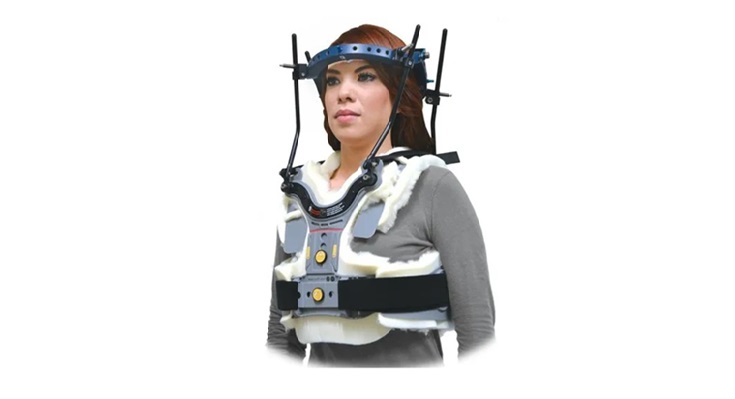
Table of Content
2. Types of Halo Braces
3. Cost of a Halo Brace in India
4. How to Sleep with a Halo Brace?
5. Exercises and Physical Therapy After Using a Halo Brace
6. Side Effects and Risks of a Halo Brace
7. Comparison with Other Spinal Orthotics
8. Lifestyle Adjustments While Wearing a Halo Brace
9. Where to Buy or Rent a Halo Brace in Gurgaon and Delhi?
10. Conclusion
11. Photos
12. Faqs
Halo Brace for Upper Limb Orthotics: A Complete Guide
- When it comes to spinal support and immobilization for severe neck injuries, the Halo Brace stands out as one of the most effective orthotic devices. This article is designed to give you a comprehensive understanding of the Halo Brace, its uses, benefits, and how it helps patients regain mobility and improve their quality of life.
- The loss of an eye is a deeply emotional and physical experience, but thanks to advancements in medical science, a prosthetic eye—also known as an ocular prosthesis or artificial eyeball—can help restore both appearance and confidence. A prosthetic eye is a custom-made device that fits into the eye socket after an eye has been removed due to trauma, disease, or congenital conditions. While it doesn’t restore vision, it plays an important role in improving aesthetics and psychological well-being.
- Unlike decades ago, when artificial eyes were made primarily from glass, today’s versions use medical-grade acrylic, silicone, and other biocompatible materials. These modern designs mimic the natural eye’s color, texture, and movement with remarkable precision. The goal isn’t just cosmetic—prosthetic eyes also help maintain the shape of the eye socket and prevent facial muscles from sagging over time.
- Patients who receive prosthetic eyes often describe the transformation as life-changing. Beyond aesthetics, it helps them regain social confidence, resume professional life, and feel “whole” again. Whether you’re searching for a prosthetic eye near me, an artificial eye clinic, or the best custom ocular prosthesis, understanding the process, care, and options available will make your journey smoother.
What is a Halo Brace?
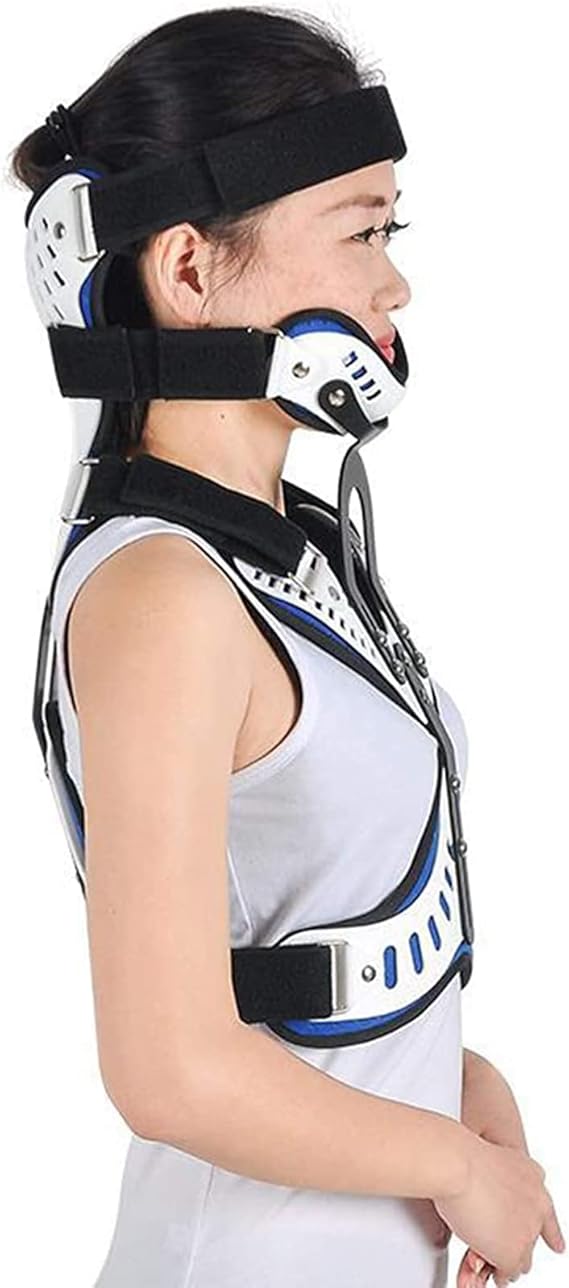
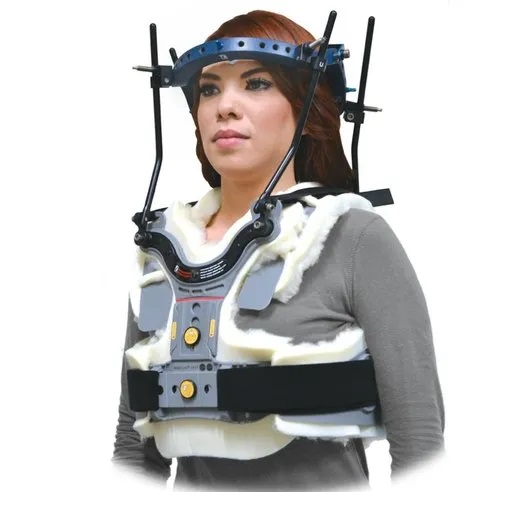
A Halo Brace is an upper limb orthotic device primarily used to immobilize and stabilize the cervical spine. It provides rigid support to patients who have experienced severe trauma to the neck or upper spinal column, such as fractures or dislocations. Unlike other neck braces, the Halo Brace offers more comprehensive support by attaching to the skull with pins, ensuring minimal neck movement.
Key Components of a Halo Brace:
- Ring: The signature part of the Halo Brace is a ring, often made of titanium or carbon fiber, which surrounds the head and is attached to the skull using small pins.
- Vest: A rigid vest is worn over the torso and connected to the ring via four rods, keeping the head and neck in a fixed position.
- Pins: Small pins secure the ring to the skull, ensuring complete immobilization of the cervical spine. This pin-based attachment is critical for proper healing and protection.
- Rods: These are used to connect the vest to the ring, ensuring the head remains in a fixed position throughout the recovery process.
Conditions Treated with a Halo Brace- Who can use Halo Brace
The Halo Brace is most commonly prescribed for the following medical conditions:
- Cervical Spine Fractures: When the bones in the neck are broken, the Halo Brace keeps them aligned, ensuring proper healing.
- Spinal Cord Injuries: To prevent further damage to the spinal cord, the Halo Brace stabilizes the neck and upper spine.
- Post-Surgery Recovery: After surgical interventions for neck injuries, the Halo Brace ensures the cervical spine remains stable during recovery.
- Severe Neck Trauma: In cases of car accidents or sports injuries, the Halo Brace provides critical support during the healing phase.
How Does a Halo Brace Work?
The Halo Brace functions by keeping the head and neck in a completely immobile position, which is crucial for healing. The device is designed to support the cervical vertebrae and prevent any movement that could disrupt the healing process. The vest anchors the body, and the rods and pins ensure that the head remains fixed. This immobilization is vital for patients recovering from fractures or injuries that require the spine to stay in perfect alignment.
Benefits of Using a Halo Brace
- Maximum Immobilization: The Halo Brace provides the highest level of spinal immobilization compared to other cervical collars or braces, making it the best choice for serious injuries.
- Safe Healing: By preventing any movement in the neck area, the Halo Brace ensures that injuries heal properly, reducing the risk of complications.
- Customization: Each Halo Brace is custom-fitted to the patient, ensuring comfort while still providing maximum stability.
Wearing a Halo Brace: What to Expect
Wearing a Halo Brace is a life-changing experience, but it's important to understand what the process involves:
- Duration: Most patients wear the brace for 8 to 12 weeks, depending on the severity of the injury. Your doctor will give you a timeline based on your condition.
- Daily Activities: While wearing the Halo Brace, patients can still perform many day-to-day activities. However, it's important to avoid any sudden or strenuous movements.
- Skin Care: The vest and pins can sometimes irritate the skin, so it's important to clean the areas around the brace regularly and follow your healthcare provider's instructions.
Risks and Precautions of using Halo Brace
As with any medical device, there are risks associated with using a Halo Brace:
- Pin Infection: The pins inserted into the skull can cause infections if not cared for properly. Regular cleaning and medical check-ups are essential.
- Discomfort: While the brace is designed for stability, it can cause discomfort due to the weight of the device or irritation from the vest.
- Limited Mobility: Patients wearing a Halo Brace will have limited head and neck movement, which can make daily tasks more challenging.
The Halo Brace is a critical tool in the recovery of patients suffering from serious neck and upper spine injuries. Its ability to immobilize the cervical spine allows for safe and effective healing, reducing the risk of further damage. If you're dealing with a cervical spine injury, talk to your healthcare provider to see if a Halo Brace is the right option for you.
At MOBILITY Solution, we are committed to providing top-quality orthotic devices, including the Halo Brace, to ensure the best possible outcomes for our patients. Contact us today for more information on how we can help with your recovery.
Types of Halo Braces
Halo Braces are specialized spinal immobilization devices used to stabilize the cervical spine after severe neck injuries, fractures, or post-surgical recovery. While the basic structure of a Halo Brace remains the same, variations exist based on patient age, duration of use, and materials used. Choosing the right type of Halo Brace is essential for ensuring comfort, stability, and effective healing.
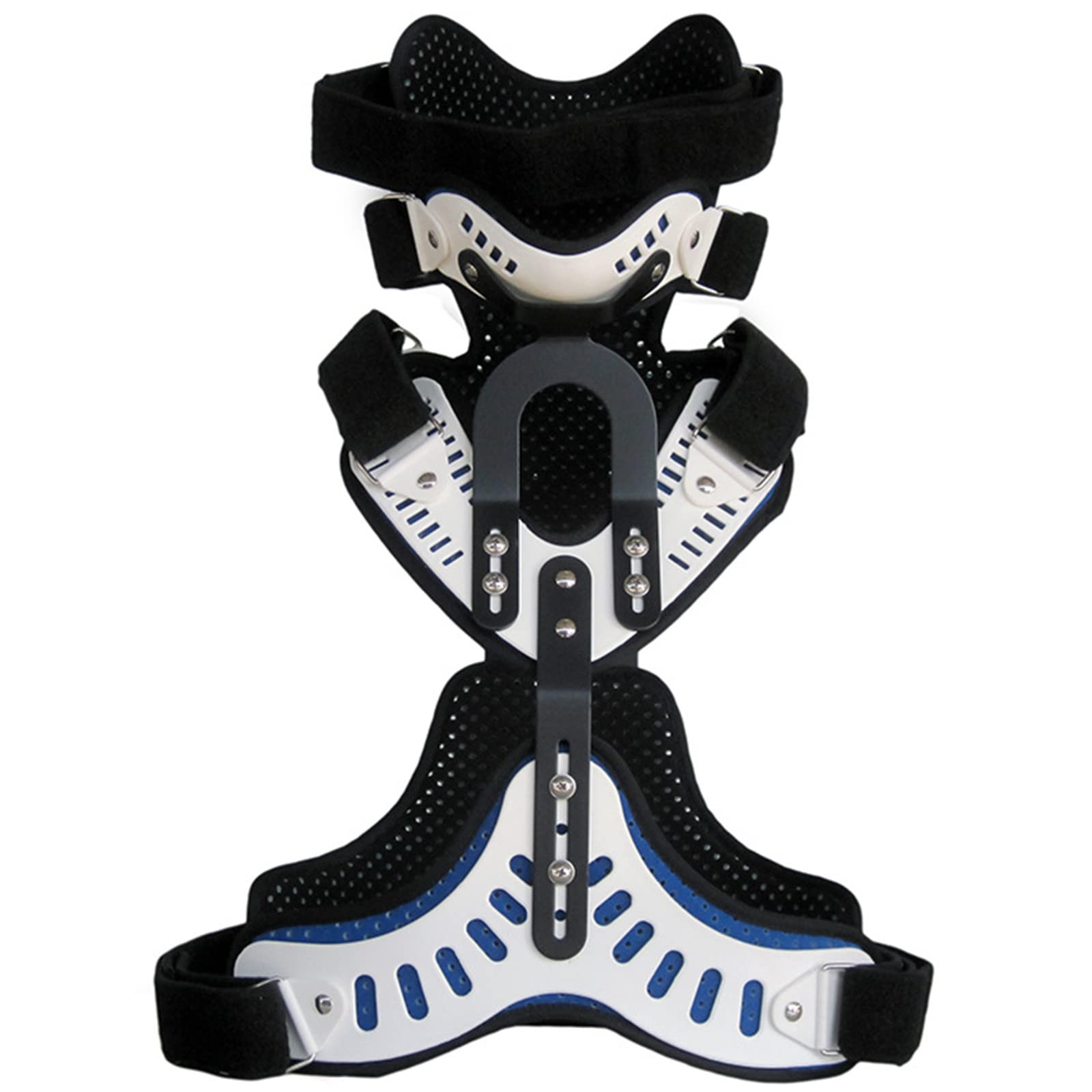
There are several types of halo braces designed for neck and spine injuries. The cervical halo brace is most common for stabilizing fractures in the upper spine. The cervical thoracic halo brace provides support extending to the chest, while the halo back brace gives additional spinal alignment. A halo neck brace or halo cervical orthosis helps immobilize the neck after surgery or injury. Each type of halo brace device includes a halo ring brace, pins, rods, and a vest, customized for patient comfort and healing. Doctors choose the right model based on the injury’s severity.
Differences Between Pediatric and Adult Halo Braces
The primary distinction between pediatric and adult Halo Braces lies in size, weight, and customization. Pediatric Halo Braces are designed to be lighter and smaller, ensuring minimum discomfort for children while providing the necessary support. The pins and vest in pediatric models are also adjusted to fit the delicate bone structure of young patients, ensuring proper spinal alignment without excessive pressure. Adult Halo Braces, on the other hand, are larger and more rigid, accommodating the stronger skeletal structure of fully developed individuals.
Another key difference is the growth factor in pediatric patients. Since children's bones and muscles are still developing, the Halo Brace must be adjusted periodically to accommodate growth without compromising spinal stability. Adult patients typically wear a fixed Halo Brace with fewer adjustments.
Temporary vs. Long-Term Halo Brace Use
Depending on the severity of the cervical spine injury or condition, a Halo Brace may be used for a temporary period or as a long-term stabilization device.
- Temporary Use: Some patients require a Halo Brace for 8–12 weeks, primarily for fractures or post-surgical recovery. The goal is to maintain immobilization until the bones heal, after which the brace is removed.
- Long-Term Use: In cases of severe spinal instability or chronic conditions, a Halo Brace may be required for an extended period. Patients with neuromuscular disorders, severe trauma, or spinal deformities might need to wear the brace for several months or even permanently to prevent complications.
Materials Used in Halo Braces – Carbon Fiber vs. Titanium
Halo Braces are typically constructed using two primary materials: carbon fiber and titanium. Both materials provide strength, stability, and durability, but they differ in terms of weight, cost, and patient comfort.
| Material | Properties | Pros | Cons |
|---|---|---|---|
| Carbon Fiber | Lightweight, durable, strong | Easier for patients to wear, reduced strain on the neck | Higher cost, limited availability |
| Titanium | Extremely strong, corrosion-resistant | High durability, more affordable than carbon fiber | Slightly heavier, can cause minor discomfort over long-term use |
Cost of a Halo Brace in India
The cost of a Halo Brace in India varies depending on several factors, including the material used, customization requirements, medical condition, and the provider. Since a Halo Brace is a highly specialized spinal immobilization device, prices can differ significantly based on location, brand, and additional services such as fitting and follow-up care. Patients looking for a Halo Brace in Gurgaon and Delhi should consider consulting MOBILITY Solution Artificial Limbs Center, a trusted name in orthotics and prosthetics that offers high-quality, custom-fitted spinal orthotics at competitive prices. The cost of a halo brace in India varies depending on the hospital, material quality, and brand. On average, a medical halo brace or cervical halo vest costs between ₹45,000 and ₹1,00,000. In private hospitals, halo brace fitting and aftercare may increase the total expense. Imported models or metal halo neck braces used after complex surgeries can be slightly costlier. Some orthopedic centers offer halo braces for sale or rent to make treatment more affordable. Always ensure the brace is prescribed and adjusted by a certified spine specialist.
| Type of Halo Brace | Price Range (₹) | Features | Best For |
|---|---|---|---|
| Basic Titanium Halo Brace | ₹50,000 – ₹80,000 | Standard weight, durable | Short-term use, cost-conscious patients |
| Carbon Fiber Halo Brace | ₹80,000 – ₹1,50,000 | Lightweight, enhanced comfort | Long-term wear, high mobility |
| Custom-Fitted Halo Brace | ₹90,000 – ₹1,50,000 | Tailored fit, improved stability | Patients needing precise immobilization |
| Rental or Refurbished Brace | ₹30,000 – ₹60,000 | Cost-effective, temporary use | Patients with short-term recovery needs |
How Much Does a Halo Brace Cost in Gurgaon and Delhi?
The cost of a Halo Brace in Gurgaon and Delhi can range from ₹50,000 to ₹1,50,000, depending on the specifications and additional medical support required. Basic models made from titanium tend to be more affordable, while lightweight carbon fiber braces are more expensive due to their enhanced comfort and durability.
Factors affecting the cost of a Halo Brace in India include:
- Material – Titanium is usually cheaper than carbon fiber.
- Customization – Patients requiring personalized fittings and adjustments may pay more.
- Medical Facility – The price can vary depending on whether the brace is purchased from a hospital, rehabilitation center, or a specialized orthotics provider like MOBILITY Solution, Gurgaon.
- Additional Accessories – Some braces come with extra padding, enhanced locking systems, or advanced comfort features, impacting the price.
Does Insurance Cover Halo Brace Treatment?
Many health insurance policies in India cover orthotic devices like the Halo Brace, especially if they are prescribed as part of spinal injury treatment or post-surgical recovery. However, coverage details vary based on the insurance provider and policy terms. Patients should check whether their insurance plan includes:
- Medical equipment and orthotic device coverage
- Hospitalization-related expenses, including the cost of spinal immobilization devices
- Partial or full reimbursement of Halo Brace costs
At MOBILITY Solution, Gurgaon, we help patients navigate insurance claims by providing detailed invoices and medical documentation to ensure smooth processing of their coverage.
Affordable Halo Brace Options in India
For patients looking for budget-friendly Halo Braces in India, there are several options available:
- Standard Titanium Halo Braces – More affordable and widely available.
- Refurbished or Rental Halo Braces – Some patients may consider renting a Halo Brace for temporary use.
- Government and NGO Support – Certain medical assistance programs provide financial aid for orthotic devices.
Below is a comparative price breakdown of different Halo Brace options in India:
How to Sleep with a Halo Brace?
Sleeping with a Halo Brace can be one of the biggest challenges for patients undergoing spinal immobilization. Since the Halo Brace keeps the neck and head completely immobile, finding a comfortable sleeping position requires careful adjustments to pillows, bedding, and overall sleeping habits. Proper positioning is essential to prevent discomfort, reduce pressure points, and ensure a restful sleep, which is crucial for spine injury recovery. Patients in Gurgaon and Delhi who use a Halo Brace can benefit from expert guidance at MOBILITY Solution Artificial Limbs Center, ensuring they adapt smoothly to wearing the brace, even while sleeping. Sleeping with a halo neck brace can be challenging at first, but comfort improves with time. Always use a firm mattress and a thin pillow under your back instead of your head to avoid pressure. Recliner chairs or wedge pillows can make sleeping easier. Keep the halo cervical collar and vest clean to prevent skin irritation. Avoid twisting or bending your neck. If needed, consult your doctor about sleeping positions. Remember, proper rest accelerates healing when wearing a halo brace for a broken neck or halo for cervical fracture recovery.
Best Sleeping Positions for Halo Brace Users
Sleeping in the right position is key to avoiding unnecessary strain on the cervical spine. Most patients wearing a Halo Brace find it most comfortable to sleep in a semi-upright position using a recliner or an adjustable hospital bed. Here are some recommended positions:
- Reclining Position: Many patients prefer sleeping in a recliner chair or a bed with an adjustable backrest. This position helps keep the spinal column aligned while reducing pressure on the Halo Vest.
- Back Sleeping: Lying flat on the back is another good option, but patients must ensure that their head remains supported without excess pressure. This position is best when using a firm mattress with extra padding.
- Side Sleeping (With Support): Although difficult, some patients adapt to side sleeping by using extra pillows to support the Halo Brace and keep the body aligned. This requires trial and error to find the most comfortable setup.
Pillows and Bedding Adjustments
Choosing the right pillows and mattress adjustments is essential to minimize discomfort and enhance sleep quality while wearing a Halo Brace. Some useful bedding modifications include:
- Using a Wedge Pillow – A wedge pillow can provide angled support, making it easier to maintain a semi-reclined sleeping position.
- Extra Pillows for Side Support – Placing soft pillows on either side of the body can prevent unintended movements during sleep.
- Memory Foam Mattress or Mattress Topper – A mattress that molds to the body’s shape can help reduce pressure on the back and vest area.
- Adjustable Bed (If Available) – Patients who have access to an adjustable hospital bed can elevate the headrest slightly to improve comfort.
Dealing with Discomfort While Sleeping
Since the Halo Brace is rigid and cannot be removed during sleeping hours, patients may experience stiffness, pressure sores, or sleep disturbances. To improve sleep quality, try the following:
- Use Ice Packs for Sore Areas: If the Halo Brace causes pressure pain on the shoulders or back, applying a cold compress before bedtime may help relieve discomfort.
- Follow a Relaxation Routine: Gentle breathing exercises, light stretching, and listening to calming music before sleep can help the body adjust to the brace and fall asleep faster.
- Keep the Room Temperature Comfortable: Since the Halo Vest can feel warm and restrictive, maintaining a cool sleeping environment (with a fan or air conditioning) can make it easier to rest.
- Consult a Specialist for Adjustments: If discomfort persists, visit MOBILITY Solution Artificial Limbs Center in Gurgaon for custom modifications to the Halo Brace, ensuring a better fit and improved comfort.
Exercises and Physical Therapy After Using a Halo Brace
Recovering from a cervical spine injury doesn’t stop after Halo Brace removal. Since the Halo Brace keeps the neck immobilized for several weeks or months, patients often experience stiffness, muscle weakness, and reduced range of motion after it is taken off. Engaging in structured rehabilitation exercises and physical therapy is essential for restoring neck strength, flexibility, and overall spinal stability. At MOBILITY Solution Artificial Limbs Center, Gurgaon, we provide expert guidance on post-Halo Brace rehabilitation, ensuring that patients transition smoothly back to normal mobility while preventing complications.Once your halo brace is removed, your neck muscles may feel weak or stiff. Gentle physical therapy and stretching exercises help restore mobility and strength. Physiotherapists often recommend slow rotations, shoulder shrugs, and resistance band training. Avoid sudden movements or lifting heavy weights immediately after halo brace removal. A gradual return to normal movement ensures the cervical spine remains stable. Whether recovering from a halo broken neck or halo neck support treatment, follow your therapist’s guidance carefully for long-term recovery and flexibility improvement.
Post-Halo Brace Rehabilitation Exercises
After wearing a Halo Brace, patients may experience muscle atrophy due to long-term immobilization. Rehabilitation exercises should be performed gradually and under professional supervision to avoid strain on the cervical spine. Common post-Halo Brace exercises include:
- Neck Isometric Exercises – Gentle resistance exercises where patients press their head lightly against their hand without actual movement. This helps activate neck muscles without causing strain.
- Shoulder Rolls and Shrugs – These exercises help relieve tension in the shoulders and restore movement after prolonged Halo Brace use.
- Chin Tucks – Performed by gently tucking the chin toward the chest to strengthen the neck’s deep stabilizing muscles.
- Gentle Head Rotations – Slow movements from side to side to retrain cervical mobility without overextending the spine.
It is important to start with low-intensity exercises and increase difficulty only when approved by a medical professional. Patients should never force movements or rush the process, as it can lead to re-injury or discomfort.
Regaining Neck Mobility After Halo Brace Removal
Since the Halo Brace restricts head and neck movement for weeks or months, patients often experience stiffness and reduced range of motion once it is removed. Gradual neck mobility exercises help patients restore natural movement without risking further injury. The key steps to regaining neck mobility include:
- Stretching the Neck Muscles Gently – Simple side-to-side and forward-backward movements without force help improve flexibility.
- Practicing Controlled Motion – Moving the neck within a comfortable range ensures that muscles regain their strength and coordination.
- Strengthening the Upper Back – Engaging in upper back and shoulder strengthening exercises supports the neck during recovery.
Patients should work with skilled physiotherapists to develop a personalized rehabilitation plan tailored to their specific recovery needs.
Physical Therapy for Spinal Recovery
Professional physical therapy plays a crucial role in ensuring that spinal stability and alignment are maintained after Halo Brace removal. A specialized physiotherapy program focuses on:
- Restoring Neck Strength – Using lightweight resistance bands and manual therapy techniques to rebuild cervical spine muscles.
- Improving Posture and Balance – Ensuring the spine remains in proper alignment and reducing the risk of future injuries.
- Enhancing Overall Mobility – Encouraging safe and progressive movements that help patients regain daily functionality.
- Preventing Complications – Monitoring for issues such as nerve pain, stiffness, or misalignment, ensuring a smooth recovery.
Side Effects and Risks of a Halo Brace
While the Halo Brace is one of the most effective spinal immobilization devices, it is not without side effects and potential risks. Since this device is designed to keep the cervical spine completely stable, patients may experience discomfort, pressure sores, or skin irritation due to prolonged use. Additionally, the pins securing the brace to the skull can sometimes lead to infections or complications if not properly maintained. Patients undergoing Halo Brace treatment in Gurgaon and Delhi should seek expert guidance from MOBILITY Solution Artificial Limbs Center, which provides specialized orthotic care and patient support to minimize risks and ensure a smooth recovery.Wearing a halo brace can lead to minor side effects, including discomfort, skin irritation, or pin-site infection. Some patients experience headaches from the halo brace pins attached to the skull. Regular cleaning and adjustment minimize these issues. Occasionally, patients report shoulder pain or muscle stiffness due to restricted movement. Serious complications are rare when the halo brace fitting and follow-ups are handled by professionals. Always notify your doctor if there’s redness, swelling, or pain near pin sites. Proper hygiene and medical monitoring ensure a safe healing process.
Common Complications While Wearing a Halo Brace
Patients wearing a Halo Brace often face physical and emotional challenges, as adjusting to the device can be difficult. Some of the most common complications include:
- Neck and Shoulder Pain – Since the Halo Brace restricts movement, it can cause muscle stiffness and discomfort, particularly in the neck, shoulders, and upper back.
- Headaches and Pressure Pain – Some patients experience headaches due to the weight of the Halo Brace or pressure exerted by the pins.
- Skin Irritation – The vest portion of the brace may cause rashes or pressure sores, especially if the brace is not properly padded.
- Difficulty Sleeping – Sleeping with a Halo Brace can be challenging, as patients must remain in specific positions to prevent discomfort.
- Emotional Distress – Wearing a Halo Brace for an extended period can lead to frustration, anxiety, or emotional distress, as it significantly affects daily life and mobility.
Managing Pain and Discomfort
To reduce pain and discomfort while wearing a Halo Brace, patients can take the following measures:
- Properly Adjust the Brace – Ensuring that the vest and rods are well-fitted can prevent unnecessary pressure and irritation. Patients in Gurgaon and Delhi can visit MOBILITY Solution Artificial Limbs Center for professional Halo Brace adjustments.
- Use Pain Management Techniques – Mild discomfort can be managed with prescribed pain relievers, while gentle neck massage (avoiding the brace area) can help reduce muscle stiffness.
- Maintain Good Posture – Sitting upright with a properly supported back can prevent additional strain on the spine.
- Practice Gentle Movement – Moving carefully while performing daily activities can help prevent additional pain or stress on the Halo Brace structure.
Pin Site Infections and How to Prevent Them
One of the most critical risks of wearing a Halo Brace is the possibility of pin site infections. The Halo Brace is attached to the skull using small metal pins, which, if not properly cleaned, can become infected. Symptoms of an infection include redness, swelling, warmth, drainage, or persistent pain at the pin sites.
To prevent pin site infections, patients should follow these hygiene and care practices:
- Clean the Pin Sites Daily – Use a sterile cotton swab and antiseptic solution to clean the area around each pin.
- Monitor for Signs of Infection – Look for redness, swelling, or discharge, and report any concerns to a medical professional immediately.
- Avoid Touching the Pins with Unclean Hands – Ensure that hands are clean and sanitized before touching or adjusting any part of the Halo Brace.
- Follow a Doctor’s Instructions – Regular follow-up visits at a specialized orthotics center like MOBILITY Solution, Gurgaon, can help detect early signs of infection and ensure proper care.
Comparison with Other Spinal Orthotics
When it comes to spinal immobilization and cervical spine injury recovery, various orthotic devices are available, each designed for different levels of stability and support. Among them, the Halo Brace stands out as the most rigid and effective for cases requiring maximum immobilization. However, other devices such as the Cervical Collar and Minerva Brace also play crucial roles in spinal rehabilitation. Understanding the differences between these spinal orthotics helps patients and healthcare providers choose the most appropriate device for their condition. At MOBILITY Solution Artificial Limbs Center in Gurgaon, we specialize in custom spinal orthotics, ensuring patients receive the best support and recovery solutions tailored to their needs.
Halo Brace vs. Cervical Collar – Which One is Better?
The Cervical Collar (also known as a neck brace) is a commonly prescribed orthotic device for minor to moderate neck injuries. However, when dealing with severe cervical spine fractures, post-surgical recovery, or complex spinal trauma, a Halo Brace is often the superior choice. Compared to standard cervical collars or thoracic braces, the halo brace offers the highest level of neck stabilization. While soft or rigid neck collars restrict motion partially, a halo cervical orthosis completely immobilizes the cervical spine, which is essential after severe injuries. Unlike simple braces, the halo neck brace supports healing without requiring invasive surgery in many cases. Although bulkier, its precision and safety make it the preferred option for treating fractures, dislocations, and post-surgical recovery of the upper cervical vertebrae.
| Feature | Halo Brace | Cervical Collar |
|---|---|---|
| Level of Immobilization | Provides maximum stability by preventing all neck movement | Offers partial immobilization, allowing slight movement |
| Structure | Rigid metal ring attached to the skull with pins and connected to a vest | Soft or rigid foam/plastic collar worn around the neck |
| Best for | Severe cervical fractures, spinal cord injuries, post-surgical stabilization | Mild neck strains, whiplash, minor cervical spine issues |
| Comfort | Less comfortable due to pin attachment and weight | More comfortable for short-term use |
| Duration of Use | Typically worn for 8–12 weeks | Worn for days to a few weeks, depending on the injury |
When to Choose a Halo Brace Over a Cervical Collar:
- If the cervical spine needs complete immobilization for fractures or post-surgical healing.
- When a high level of stabilization is required to prevent spinal misalignment.
- If a standard neck brace does not provide enough support for the injury.
Differences Between a Halo Brace and a Minerva Brace
The Minerva Brace is another spinal orthotic device used for neck and upper thoracic spine injuries. While it provides better support than a Cervical Collar, it does not offer the rigid immobilization of a Halo Brace.
| Feature | Halo Brace | Minerva Brace |
|---|---|---|
| Fixation Method | Uses metal pins inserted into the skull for complete stability | Uses molded plastic and straps to secure the head and neck |
| Level of Immobilization | 100% immobilization of the cervical spine | Moderate to high immobilization, but allows slight movement |
| Best for | Severe cervical fractures, spinal cord injuries, post-operative stabilization | Less severe spinal injuries, post-surgical recovery, pediatric use |
| Comfort | Less comfortable due to pin fixation | More comfortable, as it doesn’t require skull attachment |
| Usage Duration | Worn for 8–12 weeks or more | Typically worn for 4–8 weeks |
When to Choose a Halo Brace Over a Minerva Brace:
- If a patient has an unstable spinal fracture and needs absolute immobilization.
- When post-operative stabilization requires complete head and neck restriction.
- If a Minerva Brace does not provide enough support, especially for complex spinal injuries.
When is a Halo Brace Necessary Instead of a Standard Neck Brace?
A standard neck brace is effective for mild to moderate cervical spine conditions, but it is not enough for severe trauma or unstable fractures. The Halo Brace becomes necessary when:
- Cervical spine fractures require complete immobilization to heal properly.
- Spinal surgery patients need post-operative stability to prevent complications.
- Spinal cord injuries require maximum protection to avoid further damage.
- Conventional braces (Cervical Collars or Minerva Braces) are insufficient to stabilize the injury.
Lifestyle Adjustments While Wearing a Halo Brace
Wearing a Halo Brace significantly impacts daily activities, requiring patients to make essential lifestyle adjustments for comfort and safety. Since the brace immobilizes the head and neck, routine tasks such as bathing, dressing, eating, and mobility become more challenging. Patients recovering from spinal injuries in Gurgaon and Delhi can seek guidance from MOBILITY Solution Artificial Limbs Center, which offers specialized care and Halo Brace management tips to improve their daily living experience. By following proper hygiene, nutrition, and safety guidelines, patients can navigate life with a Halo Brace more comfortably and efficiently.
How to Bathe and Dress with a Halo Brace
Bathing with a Halo Brace requires extra care, as the vest and metal rods should not get wet. Patients must use sponge baths or special hygiene methods to maintain cleanliness while ensuring the brace remains dry. Dressing also requires adjustments, as tight clothing or garments with small neck openings can be difficult to wear
Eating and Drinking Tips for Patients
Since neck movement is restricted, eating and drinking require careful adjustments. Patients may experience difficulty swallowing due to the position of the Halo Brace, and certain foods might need to be modified for easier consumption.
Driving Restrictions and Safety Considerations
Patients wearing a Halo Brace are strictly prohibited from driving, as their head and neck mobility is completely restricted. Additionally, the weight of the brace may cause balance issues, making sudden movements unsafe. Even as a passenger, extra precautions should be taken to ensure comfort and safety during travel.
| Safety Consideration | Precaution |
|---|---|
| Driving Restrictions | Do not drive while wearing a Halo Brace, as it severely limits head movement and reaction time. |
| Riding as a Passenger | Sit in a reclined position with supportive cushions. Avoid long journeys whenever possible. |
| Seat Belt Use | Ensure the seat belt does not press against the brace. Use a soft cloth or padding if necessary. |
| Public Transportation | Take extra care when boarding or exiting buses, trains, or taxis, as balance may be affected. |
Recovery Timeline and What to Expect After Halo Brace Removal
Recovering from a neck injury with a Halo Brace is a gradual process that requires patience and adherence to medical guidance. The typical duration for wearing a Halo Brace ranges between 8 to 12 weeks, depending on the severity of the injury, the patient’s overall health, and the body's healing response. During this period, the brace provides maximum spinal immobilization, ensuring that the cervical spine remains stable and heals correctly. Regular follow-ups with a healthcare provider are essential to monitor progress and determine when the brace can be safely removed.
How Long Does It Take to Recover from a Neck Injury with a Halo Brace?
The total recovery timeline varies for each patient based on the type of spinal injury and individual healing factors. While most patients wear the Halo Brace for two to three months, additional physical therapy and rehabilitation may be required for several weeks or months afterward to regain neck mobility and strength. Some patients experience residual stiffness or weakness, which can improve over time with guided exercises and physical therapy.
What Happens After Halo Brace Removal?
Once the Halo Brace is removed, patients often experience a period of readjustment. Since the neck has been immobilized for weeks, the muscles may feel weak and stiff, and movement may be limited initially. A healthcare provider will likely recommend a soft cervical collar for a few weeks to provide transitional support as the neck regains strength. Physical therapy is an essential part of this stage, focusing on gradual mobility exercises to restore movement and prevent muscle atrophy. Some common post-removal effects include:
- Neck stiffness and weakness due to prolonged immobilization.
- Mild discomfort as the muscles adjust to movement again.
- Temporary balance issues that improve with time and rehabilitation.
- Skin sensitivity where the pins were inserted, which should be monitored for healing.
Returning to Normal Activities Post-Treatment
Resuming daily activities should be done gradually and under medical supervision. Patients may need to avoid strenuous activities for several more weeks, especially those that involve heavy lifting, sudden neck movements, or high-impact sports. Driving should only be resumed after the doctor confirms sufficient neck mobility. The recovery timeline for returning to normal activities can be summarized as follows:
| Recovery Stage | Expected Timeline | Key Considerations |
|---|---|---|
| Wearing the Halo Brace | 8–12 weeks | Ensures complete cervical immobilization for healing. |
| Initial Adjustment After Removal | 2–4 weeks | Soft collar may be used; mild stiffness and discomfort expected. |
| Physical Therapy & Strengthening | 4–8 weeks | Focuses on improving neck mobility and strength. |
| Return to Normal Activities | 8–12+ weeks | Strenuous activities should be avoided until fully recovered. |
Where to Buy or Rent a Halo Brace in Gurgaon and Delhi?
For individuals recovering from severe spinal injuries or undergoing cervical spine immobilization, finding the right place to buy or rent a Halo Brace in Gurgaon and Delhi is crucial. Since a Halo Brace is a specialized orthotic device designed for maximum neck stabilization, it is essential to obtain it from a reliable orthopedic center that provides high-quality, custom-fitted braces along with proper guidance on usage and maintenance. Several orthotics and prosthetics providers in Delhi NCR offer Halo Braces for purchase or rental, catering to the needs of patients recovering from spinal trauma, cervical fractures, or post-surgical stabilization.If you’re looking for a halo brace for sale or rent in Gurgaon or Delhi, several orthopedic medical suppliers and hospitals offer options. Leading healthcare centers provide cervical halo vests, halo back braces, and halo ring braces with professional fitting services. Some suppliers also offer metal halo neck braces and halo brace head supports for rental, reducing costs. Always ensure that your brace is medically approved, correctly sized, and adjusted by an orthopedic specialist for the safest and most effective recovery experience.
Best Orthopedic Centers Offering Halo Braces in Gurgaon and Delhi
If you are looking for a Halo Brace in Gurgaon or Delhi, it is recommended to consult specialized orthopedic clinics, rehabilitation centers, and prosthetic-orthotic providers. These centers not only supply Halo Braces but also offer expert guidance on fitting, adjustments, and post-brace care. Some of the key features to look for when selecting a Halo Brace provider include:
- Customized fitting to ensure proper immobilization and comfort.
- High-quality materials, such as carbon fiber or titanium, for durability.
- Guidance on maintenance and care, including hygiene and adjustment tips.
- Post-brace rehabilitation support, such as physical therapy for spinal recovery.
One of the leading Halo Brace providers in Gurgaon is MOBILITY Solution Artificial Limbs Center, known for its expertise in spinal orthotics and customized solutions for patients recovering from cervical spine injuries.
Should I Buy or Rent a Halo Brace?
| Factor | Buying a Halo Brace | Renting a Halo Brace |
|---|---|---|
| Best for | Patients requiring long-term use or custom-fit braces | Patients needing short-term use (8–12 weeks) |
| Cost-effectiveness | Higher upfront cost, but more economical for long-term use | Lower initial cost, suitable for temporary recovery periods |
| Customization | Fully custom-fitted to the patient | May have limited size options, depending on availability |
| Maintenance & Hygiene | New brace ensures hygiene and durability | Rented braces require proper sanitation and inspection |
Patients often wonder whether it is better to buy or rent a Halo Brace based on the duration of use and financial considerations. Here’s a comparison to help you decide:For patients recovering from spinal injuries in Gurgaon and Delhi, renting may be a cost-effective option for short-term use, while buying is more suitable for those who need long-term stability and customized fit.
Mobility Solution Artificial Limbs Center – Best Provider for Spinal Orthotics
At MOBILITY Solution Artificial Limbs Center, we specialize in providing high-quality Halo Braces designed for spinal immobilization and post-injury recovery. Established in 2015 in Sector 50, Gurgaon, we have over 16 years of expertise in orthotics and prosthetics, offering a wide range of spinal orthotics, cervical braces, and post-injury rehabilitation solutions.
Why choose MOBILITY Solution for your Halo Brace in Gurgaon and Delhi?
- High-quality Halo Braces – Made from durable titanium or carbon fiber.
- Customized fittings for maximum comfort and effective spinal support.
- Affordable purchase and rental options, tailored to patient needs.
- Expert guidance on Halo Brace care, maintenance, and rehabilitation.
- Comprehensive spinal recovery support, including physical therapy assistance.
Conclusion
A Halo Brace helps keep the neck and spine stable after serious injuries or surgery. It is very important for spinal support, neck recovery, and post-surgery healing.Proper care, regular checkups, and following your doctor’s advice are key to a smooth and successful recovery.If you are looking for a Halo Brace in Gurgaon or Delhi, visit a trusted orthopedic doctor or rehabilitation center to get the best treatment and support.A halo brace plays a major role in keeping the cervical spine stable after severe injuries or surgeries. Whether it’s a broken neck brace halo or a cervical halo orthosis, this device helps maintain correct alignment and promotes healing.Although it might feel uncomfortable at first, its benefits are far greater than the challenges. With good care, proper hygiene, and medical supervision, patients can recover well and regain full movement.Always visit an experienced spine specialist for correct fitting, follow-ups, and therapy after removal to ensure the best recovery results.
Halo Brace for upper limb orthotics, its uses, benefits, and recovery process. Explore how this device ensures spinal stability and immobilization after severe neck injuries. Contact MOBILITY Solution for custom fittings.
Enquiry Now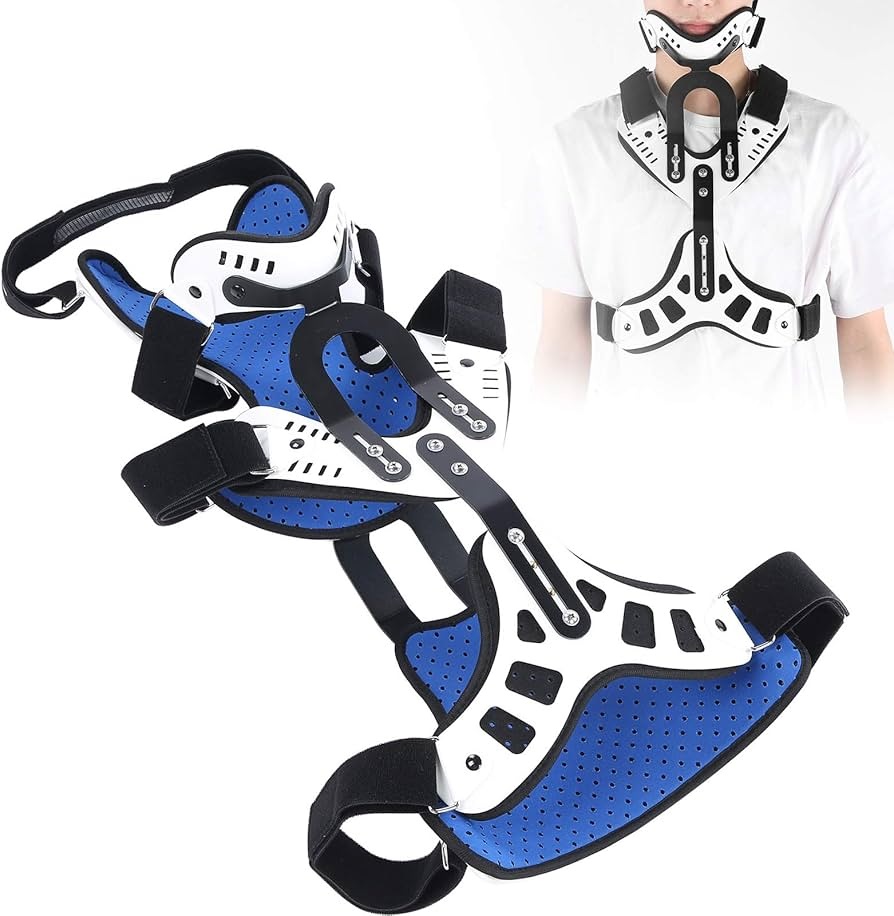
Frequently Asked Questions
Other Products
Hand splints
View Details
Compression Garments
View Details
Pediatric Orthotic Devices
View Details
Cast braces (fracture braces)
View Details
Night splints for plantar fasciitis
View Details
Arm Braces and Slings
View Details
Wrist Braces
View Details
Shoulder Braces
View Details
Cervical Collar (neck brace)
View Details
Ankle-foot orthosis (AFOs)
View Details
Lumbosacral Belt
View Details
Scoliosis Brace
View Details
TLSO Jacket
View Details
Ankle Foot Orthosis
View Details
Ankle Binder
View Details
Heel Cups
View Details
Air Waker
View Details
Bunion Splint
View Details
Osteoarthritis Knee Brace
View Details
Hinged Knee Brace
View Details
ROM Brace
View Details
Neoprene sleeves
View Details
Diabetic Shoes
View Details
Off Loading Shoes
View Details
Arch Support Insoles
View Details
Diabetic Offloading Insoles
View Details
Post Operative Boots
View Details
S M O
View Details
Knock Knee and Bow Leg Splint
View Details
Dennis Browne Splint
View Details
Knee Gaiters
View Details
C D H Splint
View Details
K A F O
View Details
Hip Abduction Brace
View Details
Thigh Shell
View Details
H K A F O
View Details
Elbow Brace
View Details
Airplane Splint
View Details
Shoulder Abduction Brace
View Details
Sport Braces
View Details