
- Home
- Solutions
- Foot care & Diabetic Solution
- Gangrene treatment
- Gangrene treatment without surgery
Gangrene treatment without surgery
Gangrene treatment without surgery
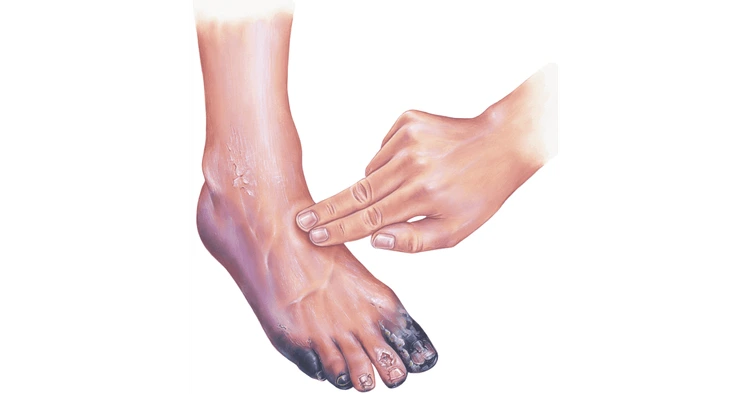
Table of Content
2. What is Gangrene?
3. Causes and Risk Factors of Gangrene
4. Early Signs and Stages of Gangrene in Foot
5. Diagnosis and Pathophysiology of Gangrene
6. Non-Surgical Gangrene Treatment Options in India
7. When to See a Gangrene Specialist
8. Can Gangrene Be Cured Without Surgery?
9. Wet and Dry Gangrene – Key Differences
10. How to Stop Gangrene from Spreading
11. Type of Gangrene Treatment
12. Conclusion – Choosing the Best Non-Surgical Gangrene Treatment in India
13. Faqs
Gangrene Treatment Without Surgery in India
Gangrene—a term that often sparks fear—is a serious medical condition resulting from tissue death due to insufficient blood flow or severe infection. In India, the focus is increasingly shifting toward gangrene treatment without surgery, thanks to the advancements in medical, herbal, and alternative therapies. The goal is to heal naturally, prevent amputation, and restore tissue vitality without invasive procedures.
Whether it’s diabetic foot gangrene, wet or dry gangrene, or infection-related tissue damage, India offers a wide range of non-surgical gangrene treatments combining modern medicine and Ayurveda. Want to learn how to stop gangrene from spreading naturally and rejuvenate affected tissues? Let’s explore every aspect of this life-saving approach.
What is Gangrene?
Gangrene is a condition that occurs when body tissues die due to a lack of blood supply or a severe bacterial infection. Medically, it’s known as a type of necrosis—a condition where body cells perish and decay. If left untreated, it can become life-threatening.
There are several types of gangrene, each with unique causes and symptoms:
- Dry Gangrene: Usually results from poor circulation, especially among diabetic or elderly patients. The skin appears dry, shriveled, and dark brown or black.
- Wet Gangrene: Occurs when an open wound gets infected by bacteria, leading to swelling, foul odor, and pus formation.
- Gas Gangrene: Caused by Clostridium bacteria that release toxins and gas into tissues.
- Synergistic Gangrene: A mixed infection often seen in postoperative wounds or diabetic patients.
In simple terms, gangrene disease starts when blood fails to reach certain body parts, especially fingers, toes, or feet, causing tissue death. So, how does gangrene start? Usually with a small cut, blister, or wound that doesn’t heal due to poor circulation or infection.
Causes and Risk Factors of Gangrene
Understanding gangrene causes helps in early prevention and effective treatment. The most common reasons behind gangrene include:
- Diabetes: High blood sugar damages blood vessels, leading to poor circulation.
- Peripheral Artery Disease (PAD): Restricts blood flow to extremities.
- Smoking: Narrows blood vessels, reducing oxygen supply.
- Severe Injury or Frostbite: Can cut off blood circulation to affected areas.
- Infections: Especially bacterial infections like Staphylococcus aureus or Clostridium perfringens can cause wet gangrene.
Gangrene Risk Factors
Some people are more prone to developing gangrene than others. Common risk factors include:
- Chronic illnesses (diabetes, kidney disease, heart disease)
- Weakened immune system
- Obesity
- Trauma or burns
- Aging and poor wound care habits
For dry gangrene, the main cause is arterial blockage, whereas wet gangrene causes involve bacterial invasion. The best prevention is maintaining good hygiene, controlling diabetes, and avoiding smoking.
Early Signs and Stages of Gangrene in Foot
Early detection is key in avoiding amputation and managing foot gangrene treatment without surgery. The gangrene foot early stages typically show the following symptoms:
- Discoloration: The skin turns pale, blue, or black.
- Swelling and foul odor: Especially in cases of wet gangrene.
- Pain and numbness: Pain initially increases, then fades as tissue dies.
- Cold or dry skin texture: Indicating poor blood circulation.
If you notice any of these first signs of gangrene, seek immediate medical care. Gangrene often begins subtly, resembling a minor wound or blister, which is why early diagnosis is crucial. Recognizing these signs can make the difference between full recovery and severe complications.
Diagnosis and Pathophysiology of Gangrene
Accurate diagnosis helps doctors determine the type of gangrene and the right treatment approach.
Diagnosis of Gangrene
Common diagnostic methods include:
- Physical Examination: Checking discoloration, odor, and sensation.
- Blood Tests: To identify infection and inflammation.
- Imaging (MRI, CT scan): To detect internal tissue damage.
- Tissue Culture or Biopsy: To confirm bacterial presence.
- Pathophysiology and Pathogenesis of Gangrene
The pathophysiology of gangrene starts with the loss of oxygen supply to tissues. Without oxygen, cells die, leading to tissue necrosis. If infection sets in, bacteria multiply rapidly, producing toxins that worsen tissue damage. This is the pathogenesis of gangrene, a process that can spread fast if not treated promptly.
Non-Surgical Gangrene Treatment Options in India
When it comes to gangrene treatment without surgery in India, the country offers a perfect fusion of modern medical science and traditional healing. These non-surgical gangrene treatments in India aim to revive tissues, enhance circulation, and eliminate infection naturally.
Let’s explore some of the most effective alternative treatments for gangrene available today.
1. Hyperbaric Oxygen Therapy (HBOT)
HBOT is one of the most successful non-invasive gangrene treatments. Patients breathe pure oxygen inside a pressurized chamber, which increases oxygen levels in the blood. This stimulates cell regeneration, fights infection, and helps heal wounds faster—often avoiding amputation entirely.
2. Maggot Therapy
Though it might sound unsettling, maggot therapy is a proven medical treatment. Sterile maggots are placed on the affected area to consume dead tissue and disinfect wounds. This method is safe, effective, and FDA-approved for chronic wounds and diabetic foot gangrene.
3. Ayurvedic and Herbal Treatment for Gangrene
India’s rich Ayurvedic heritage offers several natural remedies for gangrene. Herbs like Haridra (Turmeric), Triphala, Neem, and Manjistha have potent antibacterial and anti-inflammatory properties. Ayurvedic techniques like leech therapy (Jalaukavacharana) are also used to improve circulation and remove toxins. Many clinics now provide ayurvedic gangrene treatment in India with remarkable results.
4. Antibiotic and Medicine-Based Therapy
For infection-related cases, doctors prescribe antibiotics and circulation-enhancing drugs. These medications help stop gangrene infection naturally and prevent it from spreading. Pain management and anti-inflammatory drugs are also used to promote comfort and healing.
5. Lifestyle and Home Remedies
Proper wound care, hygiene, and dietary habits play a big role in recovery. Keeping blood sugar under control, applying herbal ointments, and maintaining foot hygiene can help cure foot gangrene naturally over time.
When to See a Gangrene Specialist
Knowing when to consult a gangrene specialist can literally save your life. Early medical intervention prevents the infection from spreading and helps preserve affected limbs. If you notice symptoms like foul odor, tissue discoloration, persistent wounds, or numbness, it’s time to visit a gangrene specialist doctor.
In India, several experts specialize in non-surgical gangrene treatment, offering modern therapies like HBOT, maggot therapy, and Ayurvedic herbal care. The best doctor for gangrene treatment without surgery often combines both Western and traditional methods for faster recovery.
If you’re based in northern India, you can easily find a gangrene specialist doctor in Delhi, as the city hosts multiple advanced wound care and hyperbaric oxygen centers. Additionally, leading gangrene treatment centers in India provide holistic programs including physiotherapy, Ayurvedic detox, and natural wound healing protocols.
When choosing a gangrene specialist in India, look for these key qualifications:
- Experience in diabetic foot management and vascular conditions.
- Access to HBOT chambers and infection-control units.
- Knowledge of Ayurvedic or herbal alternatives.
The right medical guidance can make all the difference between recovery and complications.
Can Gangrene Be Cured Without Surgery?
One of the most common questions patients ask is: Can gangrene be cured without surgery? The short answer is—yes, in many cases.
Early-stage dry gangrene or diabetic foot gangrene can be reversed through non-surgical methods like oxygen therapy, herbal medicines, and antibiotic management. The goal is to stop tissue death, promote blood flow, and restore skin and muscle health.
In India, integrative medicine has achieved tremendous success with non-surgical gangrene healing. Treatments such as ayurvedic gangrene therapy focus on detoxifying the body, cleansing the blood, and using herbal formulations to regenerate damaged tissues.
However, for advanced or infected (wet) gangrene, medical supervision is essential. Early detection, combined with natural therapies and antibiotic support, can drastically improve outcomes and prevent amputation.
So yes, gangrene can heal without surgery, provided it’s caught early and managed with the right mix of treatments.
Wet and Dry Gangrene – Key Differences
Understanding the difference between wet and dry gangrene helps identify the right treatment path. Here’s a simple breakdown:
| Feature | Dry Gangrene | Wet Gangrene |
|---|---|---|
| Cause | Poor blood circulation (e.g., diabetes, atherosclerosis) | Bacterial infection in open wounds |
| Appearance | Dry, shriveled, black or brown tissue | Swollen, oozing pus, foul smell |
| Spread | Slow | Rapid and life-threatening |
| Treatment Focus | Restore circulation | Control infection and remove toxins |
| Risk | Less immediate danger | Medical emergency |
Wet gangrene definition: It is a type of gangrene caused by infection, where tissues become moist and swollen due to bacterial activity.
By contrast, dry gangrene causes include poor circulation, often due to arterial blockages or diabetes. Recognizing these differences can help determine whether herbal, Ayurvedic, or medical treatments are suitable.
How to Stop Gangrene from Spreading
Stopping the infection in its tracks is crucial to saving tissue and avoiding surgery. Here are proven ways to stop gangrene from spreading naturally:
- Immediate Wound Care: Keep the area clean and covered. Use antiseptic solutions and herbal compresses to prevent bacterial invasion.
- Improve Circulation: Gentle massage, yoga, and Ayurvedic herbs like Guggul and Arjuna promote blood flow.
- Hyperbaric Oxygen Therapy (HBOT): Delivers high oxygen levels to affected tissues, accelerating healing.
- Herbal Remedies: Neem, turmeric, and aloe vera help fight infections and soothe damaged skin.
- Control Blood Sugar: For diabetics, managing glucose levels is vital to prevent infection recurrence.
- Boost Immunity Naturally: Eat nutrient-rich foods, drink plenty of water, and avoid smoking or alcohol.
By following these steps and consulting a gangrene specialist doctor, patients can safely manage symptoms and prevent disease progression.
Type of Gangrene Treatment
Gangrene treatment methods vary depending on the cause, severity, and type of gangrene (dry, wet, or gas). Here’s an overview of available treatment types:
- Surgical Treatments: Used in severe cases where dead tissue must be removed (debridement or amputation).
- Non-Surgical Treatments: Focused on natural and medical management without invasive methods.
- Alternative Therapies: Include Ayurvedic, herbal, and oxygen-based therapies that restore tissue vitality.
In India, non-surgical gangrene treatments have proven especially effective when initiated early. Integrative clinics across Delhi, Mumbai, Chennai, and Pune offer customized programs that combine antibiotics, Ayurveda, HBOT, and maggot therapy for complete healing.
Conclusion – Choosing the Best Non-Surgical Gangrene Treatment in India
India has become a hub for non-surgical gangrene treatment, offering hope to thousands of patients facing the threat of amputation. From hyperbaric oxygen therapy and maggot therapy to Ayurvedic and herbal treatments, options are vast and effective.
The key is early detection, consistent treatment, and guidance from a qualified gangrene specialist in India. Reputed gangrene treatment centers in India provide world-class care that blends modern science with traditional healing—ensuring long-lasting recovery and prevention of recurrence.
If you or your loved one is battling gangrene, don’t lose hope. Explore holistic and innovative gangrene treatment without surgery in India to regain health, mobility, and confidence
India has become a hub for non-surgical gangrene treatment, offering hope to thousands of patients facing the threat of amputation. From hyperbaric oxygen therapy and maggot therapy to Ayurvedic and herbal treatments, options are vast and effective.
The key is early detection, consistent treatment, and guidance from a qualified gangrene specialist in India. Reputed gangrene treatment centers in India provide world-class care that blends modern science with traditional healing—ensuring long-lasting recovery and prevention of recurrence.
Discover advanced non-surgical gangrene treatment in India. Heal naturally with Ayurvedic, herbal, and oxygen therapies. Stop gangrene from spreading today!
Enquiry Now