- Home
- Orthotic Products
- HKAFO: A Complete Guide to Hip Knee Ankle Foot Orthosis Price.
HKAFO: A Complete Guide to Hip Knee Ankle Foot Orthosis Price.
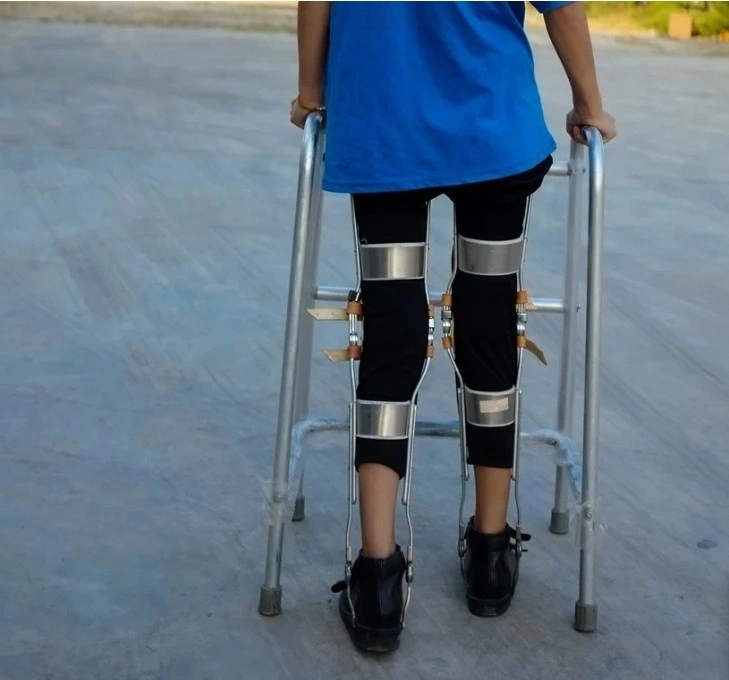
Table of Content
2. What is HKAFO (Hip Knee Ankle Foot Orthosis)?
3. Parts of an HKAFO Orthosis
4. Who Needs an HKAFO?
5. How Does an HKAFO Work?
6. HKAFO vs RGO (Reciprocating Gait Orthosis)
7. Types of Hip-Knee-Ankle-Foot Orthosis
8. HKAFO for Spinal Cord Injury
9. Custom HKAFO Brace: Why Personalization Matters
10. HKAFO Orthosis Price in India
11. Best HKAFO Orthosis in India
12. Pediatric HKAFO and Child Mobility
13. Hip-Knee-Ankle-Foot Orthosis and Educational Use
14. Hip, Knee, Ankle, and Foot Pain – When to Seek Orthotic Help
15. Maintenance and Care for HKAFO Orthosis
16. Conclusion
Introduction
Mobility is something most of us take for granted — until it’s compromised. Whether due to spinal cord injury, paralysis, muscle weakness, or neuromuscular conditions, walking can become an enormous challenge.
That’s where HKAFO, or Hip Knee Ankle Foot Orthosis, becomes a life-changing device.
In this comprehensive guide, we’ll cover everything you need to know about HKAFO, including its types, indications, parts, price in India, and how custom HKAFO braces are transforming rehabilitation and independent movement.
What is HKAFO (Hip Knee Ankle Foot Orthosis)?
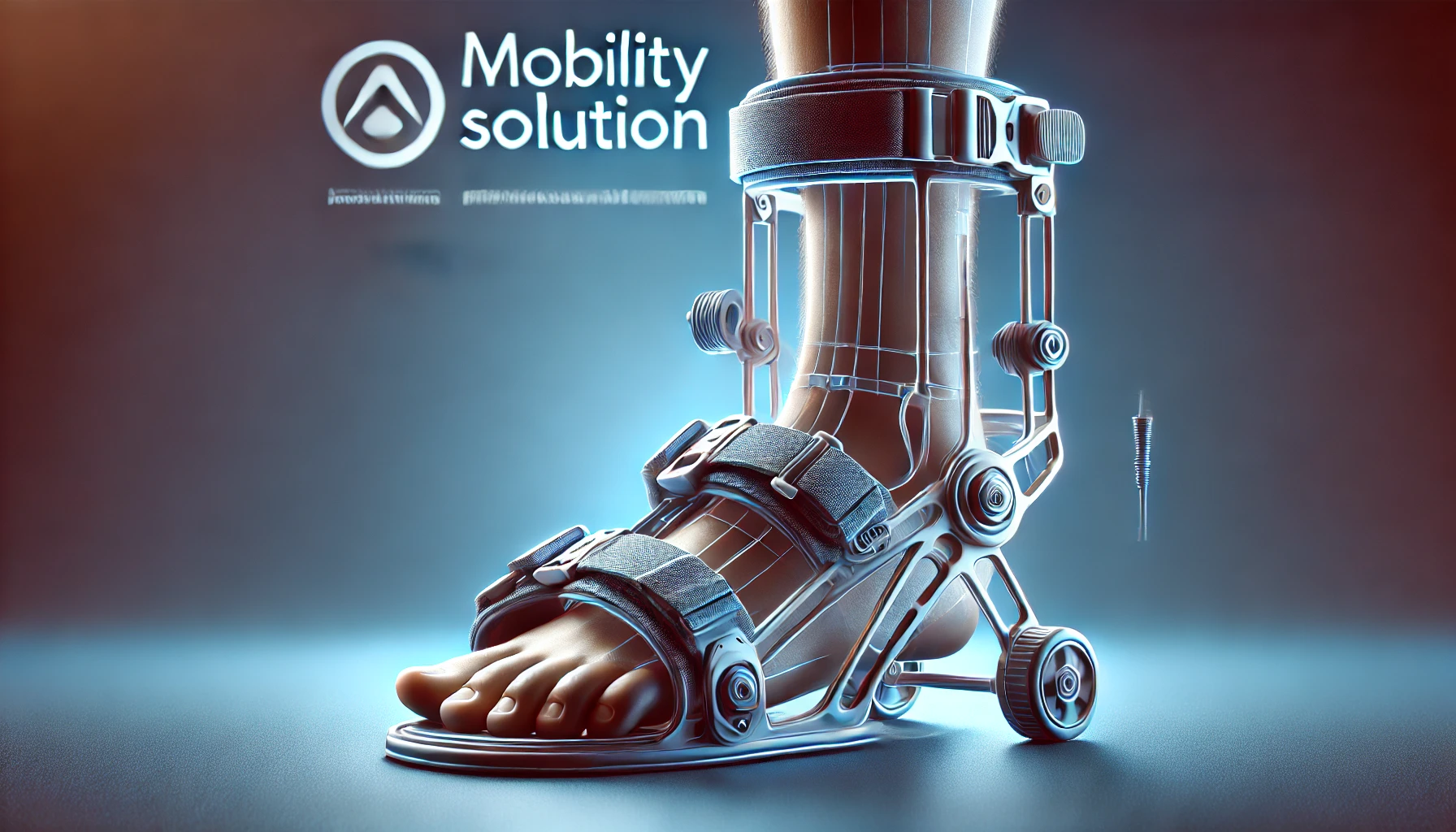
A Hip Knee Ankle Foot Orthosis (HKAFO) is an advanced orthotic device that supports and stabilizes the hip, knee, ankle, and foot joints simultaneously. It extends from the foot up to the pelvis, offering full lower-limb alignment and control for individuals who have lost motor strength or joint stability.
In simpler terms, an HKAFO orthosis is a mechanical brace that helps a person stand, balance, and walk when their leg and hip muscles cannot support their body independently.
Primary Function
The HKAFO’s primary role is to:
- Maintain proper alignment of the lower limb joints.
- Prevent deformities or contractures.
- Assist movement for standing or walking.
- Improve balance and posture in paralysis or spinal cord injuries.
Parts of an HKAFO Orthosis
Understanding the hip-knee-ankle-foot orthosis parts helps visualize how the device works.
A standard HKAFO consists of:
- Foot Section: Supports the foot and controls ankle motion.
- Ankle Joint: Allows controlled movement or locks to prevent motion.
- Knee Section: Provides stability and alignment during standing and gait.
- Thigh and Pelvic Bands: Connect the brace to the hip, maintaining alignment and transferring weight.
- Hip Joint Mechanism: The pivotal part that links both lower limbs, allowing flexion and extension for walking.
- Straps and Locks: Keep the orthosis secured to the body for stability.
These components work in synergy to provide both support and controlled mobility, making the HKAFO essential for individuals with complete or partial paralysis.
Who Needs an HKAFO?
HKAFOs are prescribed to patients who lack voluntary muscle control below the waist.
Typical HKAFO indications include:
Spinal cord injuries (SCI) — especially thoracic or lumbar level injuries.
Cerebral palsy — to maintain posture and improve walking ability.
Muscular dystrophy — for progressive muscle weakness.
Poliomyelitis (Polio) — to support flaccid limbs.
Post-surgical rehabilitation — after joint reconstruction or fracture fixation.
Paraplegia or partial paralysis — to regain upright mobility.
Hence, HKAFO orthosis for paralysis and HKAFO for spinal cord injury are among the most common and effective rehabilitation applications.
How Does an HKAFO Work?
The mechanical structure of the HKAFO redistributes body weight through the brace, minimizing load on weak muscles.
When the user moves, the hip and knee joints guide limb motion in a reciprocal pattern, often supported by reciprocating gait orthosis (RGO) systems for improved walking mechanics.
Essentially, the orthosis:
- Locks the knees during standing for stability.
- Controls ankle dorsiflexion to prevent foot drop.
- Transfers movement from one hip to the other (in reciprocating designs).
- Assists controlled hip movement, mimicking a natural gait cycle.
This biomechanical synergy makes the custom HKAFO brace an engineering marvel for human mobility restoration.
HKAFO vs RGO (Reciprocating Gait Orthosis)
| Feature | HKAFO | RGO |
|---|---|---|
| Design | Supports hip, knee, ankle, and foot independently | Adds cable mechanism linking both hips |
| Movement | Allows hip flexion-extension | Promotes alternate hip movement for natural gait |
| Energy Efficiency | Requires more energy | More efficient reciprocal walking |
| Use Case | Basic stability, paralysis, standing | Advanced mobility in paraplegics |
So while HKAFO provides solid stability, RGO enhances gait performance — some modern braces combine features of both.
Types of Hip-Knee-Ankle-Foot Orthosis
When discussing hip-knee-ankle-foot orthosis types, they can be categorized based on functionality and material:
Conventional HKAFO
- Made from metal and leather.
- Durable and adjustable.
- Common in spinal cord injury rehabilitation.
Plastic or Thermoplastic HKAFO
- Lightweight and custom-molded to the patient’s limb.
- Offers better cosmetic appearance and comfort.
Custom HKAFO Brace
- Tailor-made using 3D scanning or casting.
- Provides a precise fit and maximum support.
- Preferred for long-term us
Dynamic HKAFO
- Incorporates flexible joints for better gait movement.
- Suitable for patients in physiotherapy and gait training.
Pediatric HKAFO
- Designed for children with cerebral palsy or congenital limb disorders.
- Lightweight with adjustable joints to accommodate growth.
Each type serves a unique purpose depending on patient condition, muscle power, and rehabilitation goals.
HKAFO for Spinal Cord Injury
For individuals with spinal cord injuries, the HKAFO is often a crucial assistive device.
After an SCI, patients may experience paralysis below the level of injury, limiting their ability to walk or stand.
The HKAFO for spinal cord injury
- Enables standing posture, reducing the risk of pressure sores and muscle atrophy.
- Improves blood circulation and bone density.
- Assists in independent ambulation with parallel bars, walkers, or crutches.
- Enhances psychological well-being through upright mobility.
This makes the best HKAFO orthosis in India a core part of rehabilitation programs for paraplegic patients.
Custom HKAFO Brace: Why Personalization Matters
Every patient’s anatomy and muscle condition are unique.
That’s why custom HKAFO braces are preferred over ready-made ones.
Benefits of Custom Design:
- Perfect fit for comfort and alignment.
- Reduced skin irritation and pressure points.
- Improved walking mechanics.
- Lightweight, aesthetic, and easy to wear.
Custom HKAFOs are fabricated using digital 3D scanning, CAD/CAM design, and thermoplastic lamination to ensure accuracy and durability.
HKAFO Orthosis Price in India
The Hip Knee Ankle Foot Orthosis price varies significantly based on design, material, and customization.
| Type | Approx. Price Range (INR) |
|---|---|
| Basic Metal HKAFO | ₹35,000 – ₹60,000 |
| Plastic Custom HKAFO | ₹60,000 – ₹90,000 |
| Dynamic / RGO type HKAFO | ₹1,00,000 – ₹2,50,000 |
| Pediatric HKAFO | ₹45,000 – ₹80,000 |
Prices may differ depending on:
- mported vs. Indian fabrication
- Clinic or rehabilitation center
- Additional support features or electronic controls
If you’re searching for affordable yet high-quality HKAFO orthosis in India, consult a certified orthotist or specialized prosthetic clinic.
Best HKAFO Orthosis in India
India has several reputed orthotic centers and mobility solution providers offering custom HKAFO braces designed for optimal rehabilitation.
When selecting the best HKAFO orthosis in India, consider:
- Experience of the orthotist
- Availability of gait training support
- Material quality and comfort
- After-sales service and maintenance
Hospitals and clinics in major cities like Delhi, Mumbai, Bangalore, Chennai, and Hyderabad offer specialized orthotic care for HKAFO users.
Pediatric HKAFO and Child Mobility
Children with neuromuscular disorders such as cerebral palsy often need assistance maintaining upright posture.
The pediatric HKAFO offers:
- Joint alignment during growth stages
- Support for standing and walking exercises
- Prevention of deformities
- Adjustable features for long-term use
Pediatric models are lightweight and often come in colorful, child-friendly designs.
Hip-Knee-Ankle-Foot Orthosis and Educational Use
For medical students, physiotherapists, and orthotists, a hip-knee-ankle-foot orthosis can help understand:
- Biomechanics of the HKAFO
- Fabrication process
- Fitting and alignment techniques
- Case studies in spinal cord injury rehabilitation
Institutions use these presentations to train future orthotic professionals in designing effective mobility aids.
Hip, Knee, Ankle, and Foot Pain – When to Seek Orthotic Help
Hip, Knee, Ankle, and Foot Pain – When to Seek Orthotic Help
Pain across these joints can signal muscle imbalance, nerve compression, or joint deformity.
If untreated, it can lead to further weakness or gait issues.
An early orthotic assessment and possibly an HKAFO orthosis can:
- Reduce joint pain
- Correct alignment
- Improve function
- Prevent deformities in chronic conditions
Maintenance and Care for HKAFO Orthosis
To ensure your HKAFO lasts long and performs well:
- Clean leather and metal parts regularly.
- Check joints and locks for wear.
- Replace worn straps promptly.
- Avoid prolonged moisture exposure.
- Schedule regular reviews with your orthotist.
- Proper care ensures comfort, hygiene, and durability.
Conclusion
Whether you need a custom HKAFO brace, want to understand the Hip Knee Ankle Foot Orthosis price, or are searching for the best HKAFO orthosis in India, knowing its parts, types, and benefits empowers you to make the right choice for your rehabilitation journey.
For professional orthotic guidance and advanced rehabilitation care,
a trusted destination for customized orthotic and prosthetic solutions across India.
Contact Now +91 9910344331 , +91 9319522545
GMail info@mobilitysolution.in
Trending Posts
-
![What are the Solutions for Below and Above Elbow Amputations?]() What are the Solutions for Below and Above Elbow Amputations?
12 Aug, 2024
What are the Solutions for Below and Above Elbow Amputations?
12 Aug, 2024
-
![Find the Best Artificial Limb Centre Near You: Top Recommendations]() Find the Best Artificial Limb Centre Near You: Top Recommendations
20 Aug, 2024
Find the Best Artificial Limb Centre Near You: Top Recommendations
20 Aug, 2024
-
![Top Artificial Limbs Centre Gurgaon & Delhi | Affordable Care]() Top Artificial Limbs Centre Gurgaon & Delhi | Affordable Care
08 Oct, 2024
Top Artificial Limbs Centre Gurgaon & Delhi | Affordable Care
08 Oct, 2024
-
![Artificial Limbs Center: Expert Prosthetics for Active Living]() Artificial Limbs Center: Expert Prosthetics for Active Living
11 Oct, 2024
Artificial Limbs Center: Expert Prosthetics for Active Living
11 Oct, 2024
-
![How Much Does an Artificial Leg Above Knee Cost in India?]() How Much Does an Artificial Leg Above Knee Cost in India?
07 Mar, 2025
How Much Does an Artificial Leg Above Knee Cost in India?
07 Mar, 2025
-
![Advanced Artificial Limb Above Knee Technology]() Advanced Artificial Limb Above Knee Technology
07 Mar, 2025
Advanced Artificial Limb Above Knee Technology
07 Mar, 2025
-
![Artificial Leg Cost in India: Price, Types & Full Guide]() Artificial Leg Cost in India: Price, Types & Full Guide
13 Mar, 2025
Artificial Leg Cost in India: Price, Types & Full Guide
13 Mar, 2025
-
![Below-Knee Prosthesis: Restoring Mobility and Confidence After Limb Loss]() Below-Knee Prosthesis: Restoring Mobility and Confidence After Limb Loss
17 Mar, 2025
Below-Knee Prosthesis: Restoring Mobility and Confidence After Limb Loss
17 Mar, 2025
-
![How the Dennis Brown Splint Helps Correct Pediatric Foot Deformities]() How the Dennis Brown Splint Helps Correct Pediatric Foot Deformities
21 Mar, 2025
How the Dennis Brown Splint Helps Correct Pediatric Foot Deformities
21 Mar, 2025
-
![Regaining Confidence with Artificial Fingers]() Regaining Confidence with Artificial Fingers
14 Apr, 2025
Regaining Confidence with Artificial Fingers
14 Apr, 2025