- Home
- Prosthetic Products
- Above Knee Amputation: Surgery, Recovery & Prosthesis
Above Knee Amputation: Surgery, Recovery & Prosthesis
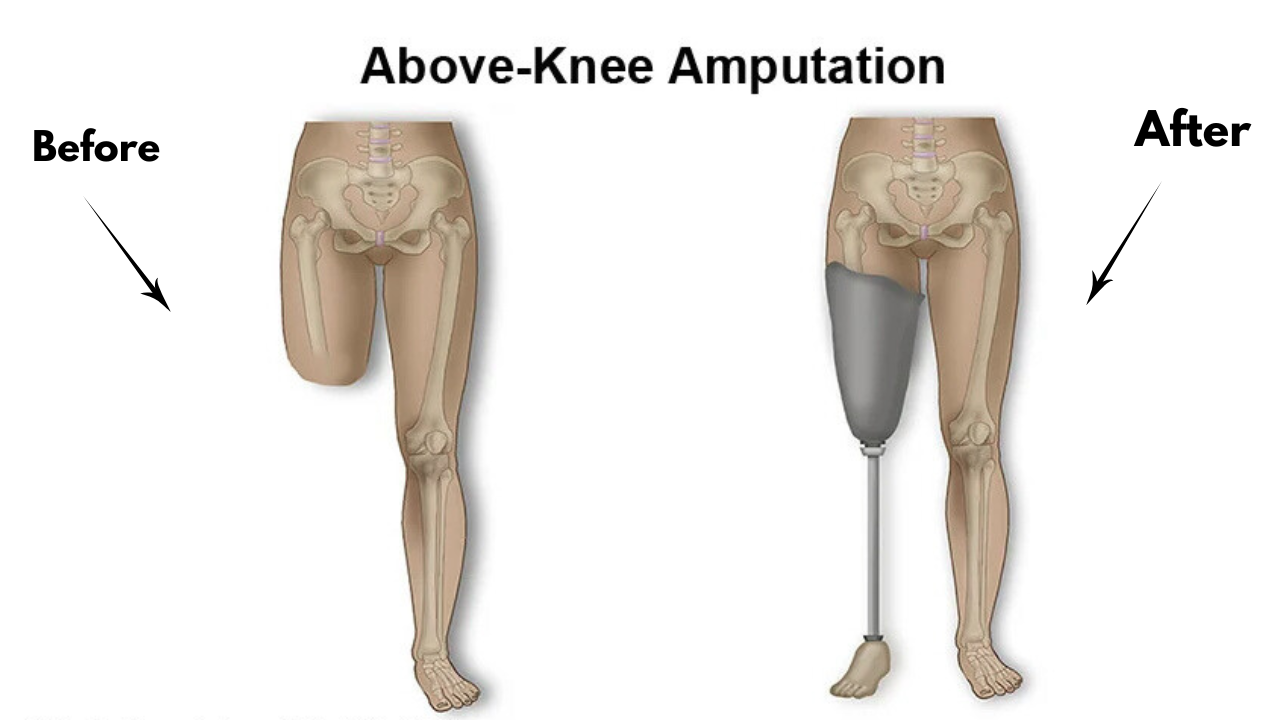
Table of Content
2. Understanding Above Knee Amputation (AKA)
3. Above Knee Amputation Surgery Explained
4. Ideal Stump Length Above Knee
5. Adductor Myodesis Technique in AKA
6. Recovery After Leg Amputated Above Knee
7. Above Knee Prosthesis Types
8. Bilateral Above Knee Amputations
9. Psychological and Emotional Adjustment
10. Life After Above Knee Amputation
11. Conclusion and Expert Advice
12. Faqs
Above Knee Amputation: Complete Guide to Surgery, Ideal Stump Length, Recovery, and Prosthesis
Above Knee Amputation (AKA) is a major surgical procedure in which the leg is removed above the knee joint due to severe medical conditions or life-threatening complications. It is commonly performed when limb-saving treatments are no longer effective, such as in advanced infections, poor blood circulation, serious trauma, cancer, or complications from diabetes. The primary goal of this surgery is to protect the patient’s overall health while preserving as much healthy thigh tissue as possible for future mobility
The surgical process focuses on removing damaged tissue, shaping the remaining limb, and maintaining proper muscle balance to create a functional residual limb (stump). Ideal stump length plays a crucial role in recovery and prosthetic success, as a well-shaped and adequately long stump allows better control, comfort, and stability when using an artificial limb.
Recovery after above knee amputation involves wound healing, pain management, physical therapy, and emotional adjustment. Rehabilitation helps patients regain strength, balance, and independence while preparing the stump for prosthetic fitting. Modern above-knee prostheses, including advanced knee joints and lightweight materials, enable many individuals to walk, climb stairs, and perform daily activities with confidence. With proper surgical care, rehabilitation, and prosthetic support, patients can achieve a good quality of life and return to active, independent living after above knee amputation.
Understanding Above Knee Amputation (AKA)
What Is Above Knee Amputation?
Above Knee Amputation (AKA) is a surgical procedure in which the leg is removed from above the knee joint. It is done when the lower part of the leg cannot be saved due to serious injury or illness. During this surgery, the thigh bone is cut and the muscles, nerves, and blood vessels are carefully managed to form a healthy stump. This stump later helps in using an artificial leg. Since the knee joint is removed, walking becomes more difficult compared to below-knee amputation. However, with proper medical care, physiotherapy, and modern prosthetic support, many patients are able to move independently and manage their daily activities.
Common Reasons for Leg Amputated Above Knee
There are many reasons why a leg may need to be amputated above the knee. One common cause is poor blood circulation, especially in diabetic patients, which can lead to serious infections or gangrene. Severe accidents such as road crashes, factory injuries, or falls may damage the leg beyond repair, making amputation necessary. Cancer of the thigh bone or nearby tissues is another reason, where removing the affected part helps stop the spread of disease. Serious infections that do not respond to treatment may also require above knee amputation. In some cases, birth defects or repeated failed surgeries can lead doctors to recommend this procedure to improve the patient’s overall health and quality of life.
Above Knee Amputation Surgery Explained
Step-by-Step Above-Knee Surgery Process
Above Knee Amputation (AKA) surgery is a carefully planned medical procedure performed when the lower limb cannot be saved due to severe infection, trauma, cancer, or poor blood circulation. The surgery begins with proper patient positioning and administration of anesthesia to ensure the patient feels no pain. The surgeon then marks the incision site, keeping in mind the ideal stump length for future prosthetic use. Skin and muscle are carefully cut to preserve healthy tissue. Blood vessels are identified, tied, and secured to prevent excessive bleeding. The femur bone is then cut smoothly at the planned level, and sharp edges are filed to avoid discomfort later. Nerves are gently pulled down, cut, and allowed to retract to reduce the risk of painful neuroma formation. Once the bone and deeper structures are managed, the surgeon prepares the muscles and skin flaps to cover the bone end properly, creating a stable and comfortable stump.
Fish Mouth Incision Above-Knee Technique
The fish mouth incision is one of the most commonly used techniques in above-knee amputation. In this method, equal anterior (front) and posterior (back) skin flaps are created, resembling the open mouth of a fish. This design allows for balanced soft tissue coverage over the bone, ensuring good blood supply and even pressure distribution. It also helps in achieving a well-shaped stump that heals smoothly
Fish Mouth Incision AKA – Why It Is Preferred
The fish mouth incision is preferred because it provides better wound healing, reduces tension on the sutures, and creates a symmetrical stump. This makes prosthetic fitting easier, improves patient comfort, and supports faster rehabilitation and mobility after surgery.
Ideal Stump Length Above Knee
Importance of Ideal Stump Length Above Knee
The ideal stump length in an above-knee amputation is essential for achieving good mobility, comfort, and successful prosthetic use. A properly sized stump allows better control of the artificial limb and helps reduce the extra energy required for walking. If the stump is too short, balance and stability become difficult, increasing fatigue and the risk of falls. If it is too long, there may not be enough space to fit advanced prosthetic knee components. Maintaining an ideal length also preserves important muscle attachments, which support hip movement, sitting balance, and posture. Proper stump length reduces pressure on soft tissues, lowers the chances of skin injury, and improves overall healing and rehabilitation outcomes.
How Surgeons Decide the Final Stump Length
Surgeons decide the final stump length by carefully evaluating medical and functional factors. The availability of healthy tissue is the most important consideration, as infected or poorly supplied areas must be removed. Blood circulation, especially in patients with diabetes or vascular disease, is closely assessed. Surgeons also plan for future prosthetic fitting, ensuring enough space for knee mechanisms and comfort. Muscle strength, bone condition, and nerve positioning are considered to prevent pain and long-term complications, while patient age, lifestyle, and rehabilitation goals guide the final decision.
- Ideal stump length improves mobility, comfort, and prosthetic control
- A stump that is too short reduces balance and increases walking fatigue
- A stump that is too long may limit space for advanced prosthetic knee units
- Proper length helps preserve important muscle attachments
- Better hip movement, sitting balance, and posture are achieved
Adductor Myodesis Technique in AKA
What Is Adductor Myodesis Technique?
Adductor myodesis is a key surgical technique used during above-knee amputation (AKA) to improve the functional outcome of the residual limb. In this technique, the adductor muscles of the thigh—mainly the adductor magnus—are securely sutured and anchored to the distal end of the femur or surrounding periosteum. Normally, these muscles help pull the leg inward and stabilize the thigh during walking. After amputation, if they are not properly reattached, muscle imbalance can occur, causing the stump to drift outward (abduction). Adductor myodesis restores muscle balance by maintaining the natural alignment of the femur and providing strong soft tissue coverage over the bone. This technique also protects the bone end, reduces dead space, and supports better healing of the residual limb
Benefits for Stability and Prosthetic Control
The adductor myodesis technique significantly improves stump stability and prosthetic control. By securing the adductor muscles, the residual limb gains better medial support, preventing excessive outward movement during standing and walking. This improves balance, especially during weight transfer and gait training. Strong muscle attachment also enhances the patient’s ability to control the prosthetic limb, leading to smoother and more natural movements. Additionally, adductor myodesis helps reduce pain, minimizes the risk of muscle retraction, and lowers the chance of skin breakdown. Overall, this technique creates a stable, well-shaped stump that allows easier prosthetic fitting, faster rehabilitation, and improved long-term mobility and independence.
- Helps maintain proper femoral alignment and prevents outward drift of the stump
- Improves medial stability of the residual limb during standing and walking
- Enhances prosthetic control and promotes a more natural gait pattern
- Reduces postoperative pain, muscle imbalance, and long-term complications
Recovery After Leg Amputated Above Knee
Early Recovery Phase (0–6 Weeks)
The early recovery phase after an above-knee amputation focuses on wound healing, pain control, and preventing complications. During the first few weeks, the surgical site is closely monitored to ensure proper healing and to detect any signs of infection or poor blood supply. Pain management includes medications and positioning techniques to reduce discomfort and phantom limb sensations. Swelling is controlled using compression bandages or stump shrinkers to help shape the residual limb. Gentle physiotherapy begins early, concentrating on breathing exercises, bed mobility, and maintaining strength in the remaining limb and upper body. Patients are also encouraged to practice correct sitting and lying positions to prevent joint stiffness and hip contractures. Emotional support and counseling may be introduced to help patients adjust psychologically during this phase.
Long-Term Rehabilitation and Mobility Goal
Long-term rehabilitation aims to restore independence and improve overall mobility. As healing progresses, physiotherapy becomes more intensive, focusing on hip strength, balance, and coordination. Patients learn to stand, transfer, and eventually walk with a prosthetic limb. Gait training helps develop a smooth and energy-efficient walking pattern. Occupational therapy supports the return to daily activities such as dressing, working, and social participation. Long-term goals include achieving confident prosthetic use, maintaining skin health, and preventing secondary complications. With consistent rehabilitation, many patients regain functional mobility, improved confidence, and a better quality of life
Above Knee Prosthesis Types
Mechanical vs Microprocessor Knees
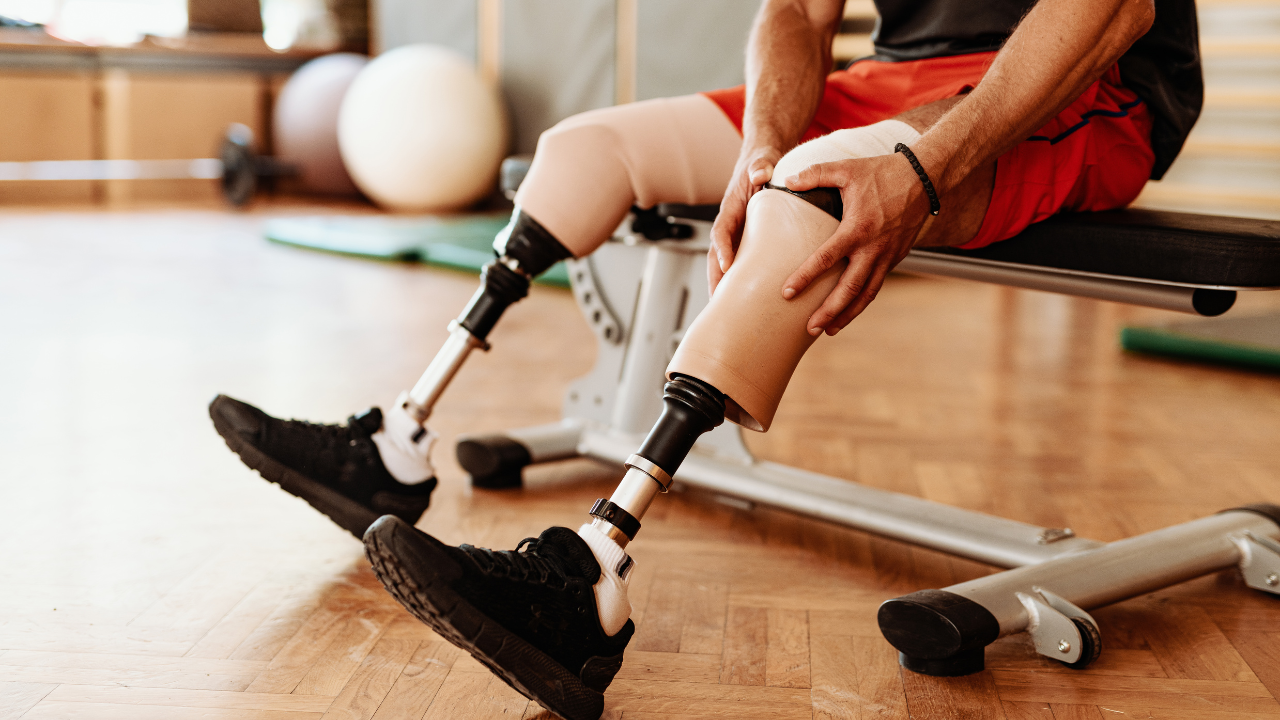
Above-knee prostheses mainly differ based on the type of knee joint used, with mechanical and microprocessor-controlled knees being the most common. Mechanical knees work using basic mechanical systems such as constant friction, polycentric designs, or hydraulic controls. They are durable, cost-effective, and suitable for users with stable walking patterns and limited activity levels. However, they offer limited adaptability to changing walking speeds or uneven surfaces.
Microprocessor knees, on the other hand, use sensors and computer-controlled systems to continuously adjust resistance during walking. These knees analyze movement in real time and provide smoother gait, better stability on slopes and stairs, and reduced risk of falls. They are especially helpful for active users but are more expensive and require regular charging and maintenance.
Choosing the Right Above Knee Prosthesis
Selecting the right above-knee prosthesis depends on multiple personal and medical factors. Activity level, body weight, balance, and lifestyle are carefully assessed by the prosthetist. Age, occupation, and rehabilitation potential also influence the decision. Cost and access to maintenance services play an important role, especially for advanced prosthetic systems. The goal is to choose a prosthesis that offers safety, comfort, and functional independence while matching the user’s daily mobility needs and long-term goals.
Above Knee Prosthesis Types – Quick Comparison
|
Bilateral Above Knee Amputations
Challenges in Bilateral Above Knee Amputations
Bilateral above-knee amputations present significant physical and emotional challenges. Loss of both limbs greatly increases energy requirements for movement, making walking more demanding. Balance and coordination become difficult due to the absence of natural knee joints. Patients often experience fatigue, slower mobility, and higher dependence during the early stages of recovery. Prosthetic fitting is more complex, and learning to use two above-knee prostheses requires extensive training. Psychological challenges such as frustration, anxiety, and loss of confidence are also common and must be addressed alongside physical recovery.
Rehabilitation Strategies and Independence
Rehabilitation for bilateral above-knee amputees focuses on strength, balance, and functional independence. Early therapy emphasizes core and upper-body strengthening to support transfers and mobility. Gradual prosthetic training includes standing balance, weight shifting, and gait training with parallel bars before progressing to independent walking. Assistive devices may be used initially. Occupational therapy helps patients relearn daily activities like dressing and personal care. With consistent rehabilitation, proper prosthetic support, and strong motivation, many individuals achieve independence, mobility, and an improved quality of life.
Psychological and Emotional Adjustment
Coping with Limb Loss
Psychological and emotional adjustment is a critical part of recovery after an above-knee amputation. Losing a limb can trigger a wide range of emotions, including shock, grief, anger, fear, and sadness. Many individuals struggle with changes in body image, loss of independence, and concerns about the future. Coping with limb loss takes time and varies from person to person. Counseling and psychological support help patients process their emotions in a healthy way. Peer support groups and interaction with other amputees can also be very encouraging, as they provide real-life motivation and reassurance. Learning relaxation techniques, setting small achievable goals, and celebrating progress during rehabilitation play an important role in rebuilding confidence and self-esteem.
Role of Family and Rehabilitation Team
Family support is vital in emotional healing and long-term recovery. Encouragement, patience, and understanding from loved ones help reduce stress and feelings of isolation. At the same time, the rehabilitation team—including doctors, physiotherapists, prosthetists, and psychologists—works together to support both mental and physical recovery. Clear communication, emotional reassurance, and realistic goal-setting by the rehabilitation team help patients stay motivated and positive throughout the recovery journey.
- Emotional reactions such as grief, fear, and anxiety are common after limb loss
- Counseling and peer support help patients cope and rebuild confidence
- Family encouragement reduces stress and feelings of isolation
- A coordinated rehabilitation team supports mental well-being and long-term recovery
Life After Above Knee Amputation
Daily Activities, Work, and Sports
Life after an above-knee amputation can still be active and fulfilling with proper rehabilitation and prosthetic support. Most individuals learn to perform daily activities such as walking, climbing stairs, dressing, and household tasks independently. Many return to work, depending on job requirements, with or without workplace modifications. With advanced prosthetic technology and training, some amputees also participate in sports, fitness activities, and recreational hobbies. Regular exercise improves strength, balance, and confidence.
Long-Term Health and Prosthetic Care
Long-term health after amputation requires ongoing prosthetic care and physical conditioning. Regular follow-ups with the prosthetist ensure proper fit and function of the artificial limb. Skin care of the stump is essential to prevent irritation or infection. Maintaining a healthy weight, staying active, and monitoring joint health help reduce strain on the body. With consistent care and adaptation, individuals can lead independent, productive, and healthy lives after above-knee amputation
| Aspect | Key Focus | Why It Matters |
| Surgery Technique | Fish mouth incision, adductor myodesis | Better stump shape, healing, and muscle balance |
| Ideal Stump Length | Proper femur length preservation | Easier prosthetic fitting and energy-efficient walking |
| Early Recovery | Wound care, pain control, physiotherapy | Prevents infection and joint stiffness |
| Prosthesis Selection | Mechanical vs microprocessor knee | Improves stability, safety, and mobility |
| Rehabilitation | Strength, balance, gait training | Helps regain independence |
| Psychological Support | Counseling, family support | Builds confidence and emotional stability |
| Long-Term Care | Skin care, prosthetic follow-ups | Prevents complications and ensures comfort |
Conclusion and Expert Advice
Above-knee amputation is a major life change, but with the right medical care and rehabilitation, individuals can regain mobility and independence. Proper surgical techniques, ideal stump formation, and timely prosthetic fitting play a key role in long-term success. Recovery requires physical training, emotional adjustment, and continuous support to help patients adapt to their new lifestyle.
Experts strongly recommend a team-based approach involving surgeons, physiotherapists, prosthetists, and mental health professionals. Early rehabilitation, regular exercises, and correct posture help prevent complications and improve functional outcomes. Patients should stay actively involved in their recovery, follow medical guidance, and attend routine follow-ups. With strong family support, positive mindset, and consistent prosthetic care, individuals can rebuild confidence and lead active, independent, and meaningful lives after above-knee amputation
Learn about above knee amputation, including surgery methods, ideal stump length, recovery process, and above knee prosthesis options for better mobility.
Frequently Asked Questions
Trending Posts
-
![What are the Solutions for Below and Above Elbow Amputations?]() What are the Solutions for Below and Above Elbow Amputations?
12 Aug, 2024
What are the Solutions for Below and Above Elbow Amputations?
12 Aug, 2024
-
![Find the Best Artificial Limb Centre Near You: Top Recommendations]() Find the Best Artificial Limb Centre Near You: Top Recommendations
20 Aug, 2024
Find the Best Artificial Limb Centre Near You: Top Recommendations
20 Aug, 2024
-
![Top Artificial Limbs Centre Gurgaon & Delhi | Affordable Care]() Top Artificial Limbs Centre Gurgaon & Delhi | Affordable Care
08 Oct, 2024
Top Artificial Limbs Centre Gurgaon & Delhi | Affordable Care
08 Oct, 2024
-
![Artificial Limbs Center: Expert Prosthetics for Active Living]() Artificial Limbs Center: Expert Prosthetics for Active Living
11 Oct, 2024
Artificial Limbs Center: Expert Prosthetics for Active Living
11 Oct, 2024
-
![How Much Does an Artificial Leg Above Knee Cost in India?]() How Much Does an Artificial Leg Above Knee Cost in India?
07 Mar, 2025
How Much Does an Artificial Leg Above Knee Cost in India?
07 Mar, 2025
-
![Advanced Artificial Limb Above Knee Technology]() Advanced Artificial Limb Above Knee Technology
07 Mar, 2025
Advanced Artificial Limb Above Knee Technology
07 Mar, 2025
-
![Artificial Leg Cost in India: Price, Types & Full Guide]() Artificial Leg Cost in India: Price, Types & Full Guide
13 Mar, 2025
Artificial Leg Cost in India: Price, Types & Full Guide
13 Mar, 2025
-
![Below-Knee Prosthesis: Restoring Mobility and Confidence After Limb Loss]() Below-Knee Prosthesis: Restoring Mobility and Confidence After Limb Loss
17 Mar, 2025
Below-Knee Prosthesis: Restoring Mobility and Confidence After Limb Loss
17 Mar, 2025
-
![How the Dennis Brown Splint Helps Correct Pediatric Foot Deformities]() How the Dennis Brown Splint Helps Correct Pediatric Foot Deformities
21 Mar, 2025
How the Dennis Brown Splint Helps Correct Pediatric Foot Deformities
21 Mar, 2025
-
![Regaining Confidence with Artificial Fingers]() Regaining Confidence with Artificial Fingers
14 Apr, 2025
Regaining Confidence with Artificial Fingers
14 Apr, 2025