- Home
- Prosthetic Products
- Realistic Prosthetic Nose | Medical, Cost & Types Guide
Realistic Prosthetic Nose | Medical, Cost & Types Guide
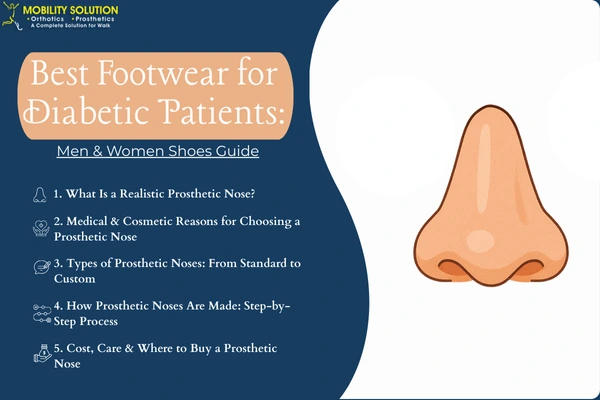
Table of Content
2. Understanding What a Prosthetic Nose Really Is
3. Why People Need a Prosthetic Nose: Medical & Cosmetic Reasons
4. Types of Prosthetic Noses: Which Option Is Best?
5. How a Prosthetic Nose Is Made: Step-by-Step Medical Process
6. Benefits of Choosing a Realistic Prosthetic Nose
7. Prosthetic Nose Cost: Complete Pricing Guide
8. Prosthetic Nose vs Nose Reconstruction Surgery
9. Attachment Methods for Prosthetic Noses
10. Daily Care & Maintenance of Nose Prosthetics
11. Where to Buy Prosthetic Nose for Sale
12. Conclusion
Introduction
A prosthetic nose is a specialized facial device designed to replace a missing, damaged, or surgically removed nose, offering a highly realistic appearance using medical-grade silicone, advanced pigmentation, and 3D scanning technologies. Unlike older artificial models, modern prosthetic noses restore not only facial symmetry but also psychological confidence and personal identity. They are commonly used in cases of trauma, cancer surgeries, congenital defects, burns, or infections, providing an effective non-surgical alternative for those who cannot or prefer not to undergo reconstructive surgery.
Custom prosthetic noses are tailored to match an individual’s skin tone, texture, and facial anatomy, ensuring a seamless integration with natural features. This personalization allows them to blend flawlessly, making them nearly indistinguishable in daily life. They offer numerous advantages, including immediate aesthetic restoration, long-lasting comfort, non-invasive application, and natural appearance under various lighting conditions.
Prosthetic noses are available in different types, including medical silicone prosthetics, realistic custom models, standard fake prosthetics, spectacle-mounted versions, and magnet-retained designs. Each type caters to specific medical needs, comfort preferences, and lifestyle considerations. Fabrication involves detailed anatomical measurement, digital design, silicone layering, and precise color matching to achieve optimal realism.
Understanding What a Prosthetic Nose Really Is
A prosthetic nose is a highly realistic silicone-based facial prosthesis created to replace a damaged, missing, or surgically removed nose. Unlike older artificial models, modern prosthetic noses look incredibly natural due to advanced pigmentation, soft medical-grade silicone, and 3D scanning technologies. A well-designed nose prosthetic restores facial symmetry, psychological confidence, and identity.
These prostheses are used in medical cases involving trauma, cancer removal, congenital defects, burns, or infections. A realistic prosthetic nose is also a non-surgical alternative for those who cannot or do not want to undergo reconstructive surgery. Instead of lifelong surgical sessions, patients can enjoy instant restoration with a reliable and natural-looking solution.
Today’s nose prosthetics provide excellent durability, comfort, and customization. They are custom-fitted to match your exact skin texture, tone, and facial anatomy. This attention to detail allows the prosthesis to blend seamlessly with your face, making it nearly impossible for anyone to notice.
A modern prosthetic nose offers:
- Complete symmetry restoration
- Natural appearance in all lighting
- Immediate aesthetic improvement
- Non-invasive application
- Long-lasting comfort
As medical prosthetics continue to evolve, the demand for prosthetic noses has increased significantly worldwide. This guide explains everything: cost, types, medical options, fitting process, and even prosthetic nose for sale choices available today.
Why People Need a Prosthetic Nose: Medical & Cosmetic Reasons
A prosthetic nose may be required for various medical, physical, and psychological reasons. Many patients suffer nasal loss due to cancer surgeries such as basal cell carcinoma or squamous cell carcinoma. In such cases, a prosthetic nose medical device becomes the most effective restorative option. Others may have injuries from accidents, burns, or congenital nose deformities that affect appearance.
Unlike reconstruction surgery, which requires multiple stages and sometimes fails to deliver natural results, a realistic prosthetic nose provides an instant, dependable solution. Individuals who wish to avoid surgical risks—such as scarring, infection, or implant failure—often choose nose prosthetics for safer restoration.
A prosthetic also helps in emotional healing. The nose is a central facial feature, and its absence affects confidence, social relationships, and communication. A beautifully crafted fake nose prosthetic restores not just the face but also dignity and comfort.
Here are the most common reasons patients opt for a prosthetic nose:
- Post-cancer nasal removal
- Severe trauma injuries
- Congenital abnormalities
- Burn damage
- Non-surgical restoration preference
A prosthetic nose provides a high-quality, reversible alternative to surgical reconstruction while maintaining comfort and a natural look.
Types of Prosthetic Noses: Which Option Is Best?
Modern facial restoration offers multiple types of prosthetic noses, each designed for specific needs. Understanding these helps patients choose the best option for comfort, appearance, and durability.
1. Medical Silicone Prosthetic Nose
Made from top-grade silicone, these prosthetic nose medical devices are the most natural and durable. They provide excellent skin realism and long-term comfort.
2. Realistic Prosthetic Nose (Custom)
This premium option matches the exact color, texture, and pores of your skin. A realistic prosthetic nose is hand-sculpted and hand-painted, offering the closest resemblance to natural tissue.
3. Fake Nose Prosthetic (Standard Models)
These are affordable, pre-made options often purchased for immediate temporary use. They are ideal for people searching for prosthetic nose for sale without customization.
4. Spectacle-Mounted Nose Prosthetic
Attached to specially designed glasses, ideal for patients who do not want adhesives.
5. Magnet-Retained Prosthetic Nose
Used after reconstructive surgery where magnetic implants support the prosthesis.These options make nose prosthetics ideal for both temporary and long-term restoration. With modern fabrication, every prosthesis is crafted to ensure lifelike results.
How a Prosthetic Nose Is Made: Step-by-Step Medical Process
The creation of a prosthetic nose involves advanced medical engineering, artistic detail, and precise anatomical work. Every custom prosthesis begins with a 3D facial scan or a traditional facial impression, capturing even the smallest features.
Fabrication Steps:
Anatomical Measurement
The process begins with a detailed assessment of your facial structure. Advanced scanning tools and precise manual measurements are used to capture the exact shape, size, and symmetry of your natural nose and surrounding facial contours. This step ensures that the prosthetic will fit comfortably, look natural, and blend seamlessly with your skin and bone structure.
Digital Nose Design
Using state-of-the-art 3D design software, specialists digitally sculpt a realistic prosthetic nose model. The design replicates even the smallest details — such as nostril definition, curvature, and tip projection — based on the patient’s anatomy or reference photographs. This digital model becomes the foundation for creating a highly accurate and lifelike prosthesis.
Mold Development
Once the digital design is approved, a physical mold is crafted. High-precision materials are used to capture the model’s unique structure. This mold acts as the base where silicone will later be cast. Any adjustments needed for improved comfort and alignment are applied at this stage to ensure a perfect fit.
Silicone Casting
Medical-grade silicone is carefully poured and layered into the mold. The silicone is chosen for its softness, flexibility, and skin-like feel. Multiple layers are applied to achieve a realistic thickness and durability. This step plays a major role in making the prosthetic look and feel like natural skin.
Color & Texture Matching
Expert artists hand-paint the prosthesis using advanced pigments to match the patient's skin tone, undertones, and natural features such as freckles or pores. The texture is adjusted to mimic real skin characteristics. This meticulous craftsmanship ensures the prosthetic blends flawlessly and remains visually undetectable.
Below is a table showing how long each step takes:
| No. | Step | Duration |
|---|---|---|
| 1 | Face Scan | 15–20 minutes |
| 2 | Digital Design | 1–2 days |
| 3 | Mold Creation | 1 day |
| 4 | Silicone Layering | 2–3 days |
| 5 | Final Painting & Fitting | 1 day |
This process ensures every prosthetic nose looks extremely realistic and functions comfortably. The precision involved guarantees that the final product blends seamlessly with your natural facial structure.
Benefits of Choosing a Realistic Prosthetic Nose
A realistic prosthetic nose offers many advantages over reconstructive surgery or temporary facial coverings. It provides an immediate restoration of appearance, promotes emotional confidence, and improves daily functioning.
Key Benefits
- Non-surgical, safe, and reversible
- Natural appearance with custom skin tones
- Comfortable for long daily wear
- Affordable compared to nasal surgery
- Easy to clean and maintain
Here are more advantages of using a high-quality nose prosthetic:
- Instant transformation without downtime
- Lightweight and breathable silicone
- Enhanced social confidence
- Compatible with glasses and masks
- Suitable for all ages
Unlike surgical reconstruction—which may require multiple revisions—a prosthetic nose gives predictable and highly aesthetic results. Patients regain facial harmony immediately, without pain or long recovery.
Prosthetic Nose Cost: Complete Pricing Guide
Understanding prosthetic nose cost is essential for planning. Prices vary based on customization, material quality, attachment method, and clinic expertise.
Cost Breakdown Table
| No. | Type | Price Range (INR) |
|---|---|---|
| 1 | Standard Fake Nose Prosthetic | ₹10,000 – ₹20,000 |
| 2 | Custom Realistic Prosthetic Nose | ₹35,000 – ₹75,000 |
| 3 | Medical Prosthetic Nose | ₹60,000 – ₹1,20,000+ |
Factors Affecting Cost:
- Level of customization
- Skin tone & texture matching
- Medical silicone quality
- Magnet or adhesive retention
- Artist craftsmanship
- Medical documentation & support
Investing in a custom prosthetic nose ensures durability, comfort, and natural appearance. Lower-cost versions are available but may not match your facial features accurately.
Prosthetic Nose vs Nose Reconstruction Surgery
Patients often compare prosthetic nose surgery with non-surgical prosthetics. Surgery involves reconstructing the nose using skin grafts, cartilage, and implants. While surgical methods work for some, many find better results with a prosthetic nose.
Comparison Points (Bullet Section):
- Surgery requires multiple procedures
- Prosthetics are non-invasive and painless
- Surgery may leave scars; prosthetics hide them
- Prosthetics are more affordable
- Surgery has long recovery time
A realistic prosthetic nose can provide equal or better aesthetic outcomes without surgical risks, making it ideal for cancer survivors, trauma patients, and those seeking natural results.
Attachment Methods for Prosthetic Noses
A prosthetic nose can be attached using different techniques depending on comfort, medical needs, and lifestyle. The most commonly used method is medical-grade adhesive, which provides strong daily hold without causing irritation.
Attachment Methods:
Medical Adhesive
This is one of the most commonly used retention methods for nasal prostheses. A specially formulated medical adhesive is applied to the inner surface of the prosthesis, allowing it to securely attach to the skin. It offers flexibility, quick application, and is ideal for everyday wear. Patients can easily remove and reapply the prosthesis at home, making it a convenient and non-invasive solution.
Magnetic Retention
This method requires minor surgical placement of titanium implants around the nasal area. Small magnets are then attached to the implants and the prosthesis, creating a very stable and secure connection. Magnetic retention ensures excellent positioning, comfort, and durability. It’s especially beneficial for individuals who require long-term wear and want a strong, dependable fit.
Spectacle-Mounted System
In this approach, the prosthesis is connected to the frame of eyeglasses. It is particularly useful when the patient already wears spectacles, or when adhesive or implant options are not suitable. The prosthesis stays firmly in place as long as the spectacles are worn. This method combines aesthetic restoration with daily eyewear support while avoiding adhesives or surgery.
Mechanical Retention
This method utilizes the natural anatomy of a patient — such as bone structure, skin folds, or undercuts — to hold the prosthesis securely. It does not require adhesives or implants and is often used when the defect area provides enough anatomical support. Mechanical retention is simple, cost-effective, and offers a natural stability for the prosthesis.
Hybrid System
A hybrid approach combines two or more retention methods, such as adhesives along with magnets or spectacle support. This system is designed to provide enhanced security, comfort, and adaptability based on the patient’s specific needs. Hybrid retention ensures the prosthesis stays firmly in place even during extended daily activities.
Each method ensures that nose prosthetics stay secure throughout the day, even during physical activity.
Daily Care & Maintenance of Nose Prosthetics
Maintaining a prosthetic nose is easy and ensures long life and hygiene. Silicone prostheses typically last between 1–3 years, depending on usage and environmental conditions.
Maintenance Tips:
- Clean with mild soap daily
- Avoid alcohol-based cleaners
- Store in a dry protective case
- Replace adhesive regularly
- Visit clinic for yearly color retouch
Good maintenance also ensures that your realistic prosthetic nose maintains its natural skin tone and texture for a long time.
Where to Buy Prosthetic Nose for Sale
Many options exist when searching for a prosthetic nose for sale, but the best results come from certified medical prosthetic centers. Cheap online options often lack realism, durability, and proper fit.
Best Places to Buy:
- Certified prosthetic clinics
- Medical-grade prosthetic labs
- Maxillofacial prosthetic centers
- Reconstructive prosthetic specialists
- Hospitals with prosthetic departments
These sources ensure professional measurement, fitting, customization, and follow-up care.
Need help or have questions? Reach out to our experts today through our Contact Us page.
Conclusion
A prosthetic nose offers a life-changing transformation for anyone experiencing nasal loss. Whether you choose a realistic prosthetic nose, a fake nose prosthetic, or a prosthetic nose medical device, the result restores symmetry, appearance, and emotional comfort.
High-quality nose prosthetics provide natural realism, comfort, and confidence—making them the perfect alternative to surgical reconstruction. Understanding prosthetic nose cost, types, and fitting methods helps you make the best choice for your needs.This guide ensures you have all the information to select the right prosthetic nose solution for long-term comfort and natural aesthetics.
If you are interested Learn more about prosthetic toes - types, benefits, costs, and life after amputation in our detailed guide.
Explore realistic prosthetic nose types, medical options, cost, surgery alternatives, and where to buy prosthetic noses for complete facial restoration.
Trending Posts
-
![What are the Solutions for Below and Above Elbow Amputations?]() What are the Solutions for Below and Above Elbow Amputations?
12 Aug, 2024
What are the Solutions for Below and Above Elbow Amputations?
12 Aug, 2024
-
![Find the Best Artificial Limb Centre Near You: Top Recommendations]() Find the Best Artificial Limb Centre Near You: Top Recommendations
20 Aug, 2024
Find the Best Artificial Limb Centre Near You: Top Recommendations
20 Aug, 2024
-
![Top Artificial Limbs Centre Gurgaon & Delhi | Affordable Care]() Top Artificial Limbs Centre Gurgaon & Delhi | Affordable Care
08 Oct, 2024
Top Artificial Limbs Centre Gurgaon & Delhi | Affordable Care
08 Oct, 2024
-
![Artificial Limbs Center: Expert Prosthetics for Active Living]() Artificial Limbs Center: Expert Prosthetics for Active Living
11 Oct, 2024
Artificial Limbs Center: Expert Prosthetics for Active Living
11 Oct, 2024
-
![How Much Does an Artificial Leg Above Knee Cost in India?]() How Much Does an Artificial Leg Above Knee Cost in India?
07 Mar, 2025
How Much Does an Artificial Leg Above Knee Cost in India?
07 Mar, 2025
-
![Advanced Artificial Limb Above Knee Technology]() Advanced Artificial Limb Above Knee Technology
07 Mar, 2025
Advanced Artificial Limb Above Knee Technology
07 Mar, 2025
-
![Artificial Leg Cost in India: Price, Types & Full Guide]() Artificial Leg Cost in India: Price, Types & Full Guide
13 Mar, 2025
Artificial Leg Cost in India: Price, Types & Full Guide
13 Mar, 2025
-
![Below-Knee Prosthesis: Restoring Mobility and Confidence After Limb Loss]() Below-Knee Prosthesis: Restoring Mobility and Confidence After Limb Loss
17 Mar, 2025
Below-Knee Prosthesis: Restoring Mobility and Confidence After Limb Loss
17 Mar, 2025
-
![How the Dennis Brown Splint Helps Correct Pediatric Foot Deformities]() How the Dennis Brown Splint Helps Correct Pediatric Foot Deformities
21 Mar, 2025
How the Dennis Brown Splint Helps Correct Pediatric Foot Deformities
21 Mar, 2025
-
![Regaining Confidence with Artificial Fingers]() Regaining Confidence with Artificial Fingers
14 Apr, 2025
Regaining Confidence with Artificial Fingers
14 Apr, 2025