- Home
- Orthotic Products
- Artificial Ear: Types, Designs, Surgery & Cosmetic Solutions
Artificial Ear: Types, Designs, Surgery & Cosmetic Solutions
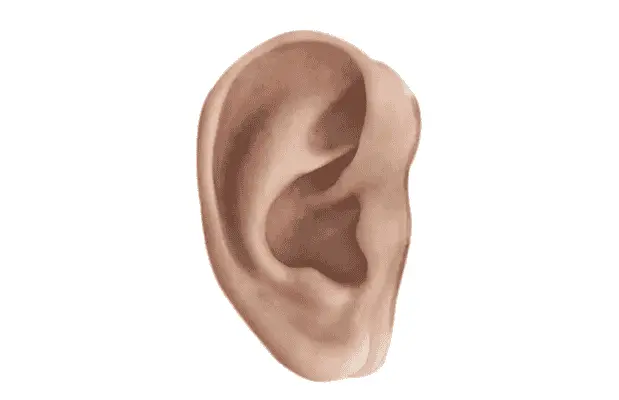
Table of Content
2. What is an Artificial Ear?
3. Types of Artificial Ears
4. Materials Used in Artificial Ears
5. Benefits of Artificial Ears
6. Artificial Ear Surgery: What to Expect
7. Maintenance & Care Tips
8. Trends & Innovations in Artificial Ear Design
9. Choosing the Right Artificial Ear
10. Conclusion
11. Faqs
Introduction
The human ear is a delicate and essential part of our anatomy, contributing not only to hearing but also to facial symmetry and overall aesthetics. Unfortunately, accidents, congenital deformities, or medical conditions can affect the ear’s appearance, leaving individuals self-conscious or in need of functional restoration. This is where artificial ears come in, providing versatile solutions that range from cosmetic enhancement to life-changing medical reconstruction.
Artificial ears have evolved dramatically over the years. Today, people can choose between ear tops designs, artificial earrings, or prosthetic ears created through advanced surgical procedures. For fashion-conscious individuals, decorative ear ring artificial options and stylish artificial earrings provide the opportunity to experiment with looks without committing to permanent changes. Meanwhile, artificial ear surgery offers a medical solution to restore a natural appearance after trauma, congenital issues such as microtia, or post-surgical reconstruction.
The growth of technology, including 3D printing, has revolutionized the artificial ear industry. Now, custom ear implants and realistic prosthetic solutions can be created to perfectly match skin tone, size, and shape. This integration of medical innovation and cosmetic design has made artificial ears more accessible, durable, and natural-looking than ever before.
What is an Artificial Ear?
An artificial ear is a man-made structure designed to replicate the shape, appearance, and sometimes functionality of a natural ear. Artificial ears can serve both cosmetic and medical purposes:
1. Cosmetic Artificial Ears: These include ear tops designs and artificial earrings. They are primarily used for style, self-expression, or temporary enhancement of ear aesthetics without surgical intervention.
2. Medical Prosthetic Ears: Also known as ear prostheses, these are used in reconstructive procedures. Patients with congenital deformities (e.g., microtia) or those who have suffered trauma can benefit from artificial ear surgery. These prosthetics restore both appearance and functionality, often complementing hearing aids or other assistive devices.
Modern artificial ears are crafted from materials like medical-grade silicone, polymers, and lightweight alloys. Using 3D printing, manufacturers can create highly realistic ears that match the patient’s natural skin tone, shape, and size. This customization ensures that the prosthetic ear is not only functional but also aesthetically pleasing.
Types of Artificial Ears
Ear Tops Design Artificial
Ear tops are decorative pieces that attach to the upper part of the ear, also known as the helix. They are popular in fashion circles for adding a unique, stylish touch without requiring piercings.
Key Features:
- Made from lightweight materials like acrylic, silicone, or metal.
- Available in various designs: floral, geometric, minimalist, or extravagant fashion styles.
- Easy to attach and remove, making them perfect for temporary looks.
Artificial Earrings / Ear Ring Artificial
Artificial earrings and ear ring artificial solutions are ideal for people who want the aesthetic of earrings without piercing their ears. They are safe, comfortable, and come in countless designs to suit every occasion.
Key Features:
- Non-invasive and safe for all ages.
- Materials include hypoallergenic metals, polymers, and silicone.
- Can mimic the appearance of expensive jewelry without high costs.
Prosthetic / Surgical Artificial Ear
Prosthetic ears are used for medical reconstruction. These can be attached surgically or adhered with medical-grade adhesives. Common situations include:
- Congenital deformities like microtia.
- Ear trauma due to accidents or burns.
- Post-surgical reconstruction after tumor removal.
Key Features:
- Realistic appearance with customized skin tone and texture.
- Can be integrated with hearing aids for functionality.
- Durable and long-lasting with proper care.
Materials Used in Artificial Ears
Artificial ears are crafted with materials designed for comfort, realism, and durability:
- Silicone: Flexible, lifelike, and skin-compatible, silicone is commonly used in prosthetic ears. It allows fine details such as ear folds and contours.
- Medical-Grade Polymers: Lightweight, hypoallergenic, and durable, suitable for non-surgical decorative artificial ears.
- Lightweight Alloys: Used in ear tops and rings for durability without adding weight.
- 3D Printing Materials: Advanced 3D printing allows precise customization of prosthetic ears for medical and cosmetic purposes.
Benefits of Artificial Ears
Artificial ears offer numerous benefits, depending on the type and purpose:
1. Cosmetic Benefits
- Enhances facial aesthetics.
- Provides style options through decorative ear tops designs or artificial earrings.
- Boosts confidence in social and professional settings.
2. Non-Surgical Options
- Temporary solutions that can be changed according to fashion trends.
- Safe for individuals who prefer not to undergo invasive procedures.
- Affordable alternatives to surgical reconstruction.
3. Medical Benefits
- Restores natural appearance after trauma, congenital deformities, or surgery.
- Can improve hearing device integration when used with prosthetic ears.
- Enhances psychological well-being and self-esteem.
4. Customization & Personalization
- 3D printing and silicone molding allow precise replication of natural ear features.
- Colors, shapes, and textures can be tailored to individual needs.
Artificial Ear Surgery: What to Expect
Artificial ear surgery is recommended for individuals who require permanent solutions due to congenital deformities, trauma, or cosmetic desires.
Procedure Overview:
Consultation:
- Assessment of medical history and ear structure.
- Discussion of patient goals, realistic outcomes, and type of prosthetic required.
Surgical Techniques:
- Autologous Rib Cartilage Reconstruction: Patient’s rib cartilage is shaped and inserted to form a new ear.
- Implantable Prosthetics: Medical-grade silicone or polymer prosthetics attached surgically or with adhesives.
- Microtia Reconstruction: Common procedure for congenital ear deformities.
Recovery:
- Mild discomfort and swelling are normal for several weeks.
- Follow-up visits ensure proper healing and integration of prosthetic.
- Most patients can resume normal activities within 2–4 weeks
Risks and Complications:
- Infection or allergic reaction.
- Scar formation.
- Revision surgery may be necessary in some cases.
Maintenance & Care Tips
Proper maintenance ensures longevity and hygiene of artificial ears:
Cleaning:
- Wash silicone or polymer ears with mild soap and lukewarm water.
- Avoid harsh chemicals that can damage material
Handling:
- Remove decorative ears before sleeping or engaging in sports.
- Store prosthetic ears in protective cases to prevent damage.
Medical Care:
- Follow care instructions from your surgeon.
- Regular check-ups for prosthetic ears ensure proper attachment and comfort.
Trends & Innovations in Artificial Ear Design
- 3D Printing Technology: Enables highly realistic, custom-fit prosthetics.
- Fashion Integration: Ear toppers and artificial earrings are now mainstream fashion statements.
- Medical Advancements: Techniques like autologous cartilage reconstruction improve functional and aesthetic outcomes.
- Customization: Patients can choose color, size, and even patterns to match their natural ear.
These innovations are bridging the gap between fashion and medical needs, making artificial ears more versatile than ever.
Choosing the Right Artificial Ear
When selecting an artificial ear, consider:
- Purpose: Fashion accessory vs. medical restoration.
- Material: Silicone, polymer, or 3D-printed options.
- Design: Simple, decorative, or realistic prosthetic.
- Budget: Non-surgical decorative ears are more affordable; surgical reconstruction requires professional consultation and higher investment.
Consulting professionals ensures the chosen solution meets both aesthetic and functional needs.
Conclusion
Artificial ears are revolutionizing both medical and cosmetic solutions for ear aesthetics and functionality. From stylish ear tops designs and artificial earrings to advanced surgical prosthetics, there is an option for everyone. Advances in 3D printing and silicone prosthetics have made these solutions more realistic, durable, and accessible than ever.
Whether your goal is fashion enhancement, confidence boost, or medical restoration, artificial ears provide a versatile and effective solution. Consulting experienced professionals ensures the best outcomes, tailored to your individual needs. Explore the possibilities and enhance both your appearance and self-esteem with artificial ears today.
+91 9910344331 , +91 9319522545
info@mobilitysolution.in
Frequently Asked Questions
Trending Posts
-
![What are the Solutions for Below and Above Elbow Amputations?]() What are the Solutions for Below and Above Elbow Amputations?
12 Aug, 2024
What are the Solutions for Below and Above Elbow Amputations?
12 Aug, 2024
-
![Find the Best Artificial Limb Centre Near You: Top Recommendations]() Find the Best Artificial Limb Centre Near You: Top Recommendations
20 Aug, 2024
Find the Best Artificial Limb Centre Near You: Top Recommendations
20 Aug, 2024
-
![Top Artificial Limbs Centre Gurgaon & Delhi | Affordable Care]() Top Artificial Limbs Centre Gurgaon & Delhi | Affordable Care
08 Oct, 2024
Top Artificial Limbs Centre Gurgaon & Delhi | Affordable Care
08 Oct, 2024
-
![Artificial Limbs Center: Expert Prosthetics for Active Living]() Artificial Limbs Center: Expert Prosthetics for Active Living
11 Oct, 2024
Artificial Limbs Center: Expert Prosthetics for Active Living
11 Oct, 2024
-
![How Much Does an Artificial Leg Above Knee Cost in India?]() How Much Does an Artificial Leg Above Knee Cost in India?
07 Mar, 2025
How Much Does an Artificial Leg Above Knee Cost in India?
07 Mar, 2025
-
![Advanced Artificial Limb Above Knee Technology]() Advanced Artificial Limb Above Knee Technology
07 Mar, 2025
Advanced Artificial Limb Above Knee Technology
07 Mar, 2025
-
![Artificial Leg Cost in India: Price, Types & Full Guide]() Artificial Leg Cost in India: Price, Types & Full Guide
13 Mar, 2025
Artificial Leg Cost in India: Price, Types & Full Guide
13 Mar, 2025
-
![Below-Knee Prosthesis: Restoring Mobility and Confidence After Limb Loss]() Below-Knee Prosthesis: Restoring Mobility and Confidence After Limb Loss
17 Mar, 2025
Below-Knee Prosthesis: Restoring Mobility and Confidence After Limb Loss
17 Mar, 2025
-
![How the Dennis Brown Splint Helps Correct Pediatric Foot Deformities]() How the Dennis Brown Splint Helps Correct Pediatric Foot Deformities
21 Mar, 2025
How the Dennis Brown Splint Helps Correct Pediatric Foot Deformities
21 Mar, 2025
-
![Regaining Confidence with Artificial Fingers]() Regaining Confidence with Artificial Fingers
14 Apr, 2025
Regaining Confidence with Artificial Fingers
14 Apr, 2025