- Home
- Prosthetic Products
- Prosthetic Eyes 2025: Types, Fitting Process, and Top Artificial Eye Specialists
Prosthetic Eyes 2025: Types, Fitting Process, and Top Artificial Eye Specialists
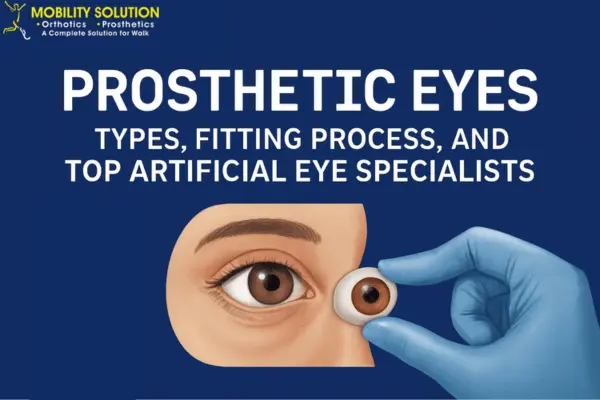
Table of Content
2. History and Evolution of Artificial Eyes
3. Understanding How Prosthetic Eyes Work
4. Types of Artificial Eyes
5. Who Needs a Prosthetic Eye?
6. The Process of Getting a Prosthetic Eye
7. Artificial Eye Clinics and Specialists
8. Artificial Eye Fitting: What to Expect
9. Custom Artificial Eyes: Personalized for Perfection
10. Best Prosthetic Eye Makers and Clinics in the Industry
11. Prosthetic Eye Care and Maintenance Tips
12. Artificial Eye Replacement: When and Why It’s Needed
13. Cost of a Prosthetic Eye: What Affects the Price?
14. Latest Innovations: Advanced and Working Artificial Eyes
15. Prosthetic Eye vs. Prosthetic Contact Lenses
16. Emotional and Psychological Support for Eye Loss Patients
17. Conclusion
18. Faqs
Introduction to Prosthetic Eyes
- The loss of an eye is a deeply emotional and physical experience, but thanks to advancements in medical science, a prosthetic eye—also known as an ocular prosthesis or artificial eye—can help restore both appearance and confidence. A prosthetic eye is a custom-made device that fits into the eye socket after an eye has been removed due to trauma, disease, or congenital conditions. While it doesn’t restore vision, it plays an important role in improving aesthetics and psychological well-being.
- Unlike decades ago, when artificial eyes were made primarily from glass, today’s versions use medical-grade acrylic, silicone, and other biocompatible materials. These modern designs mimic the natural eye’s color, texture, and movement with remarkable precision. The goal isn’t just cosmetic—prosthetic eyes also help maintain the shape of the eye socket and prevent facial muscles from sagging over time.
- Patients who receive prosthetic eyes often describe the transformation as life-changing. Beyond aesthetics, it helps them regain social confidence, resume professional life, and feel “whole” again. Whether you’re searching for a prosthetic eye near me, an artificial eye clinic, or the best custom ocular prosthesis, understanding the process, care, and options available will make your journey smoother.
History and Evolution of Artificial Eyes
The concept of artificial eyes isn’t new—it dates back thousands of years. In fact, archaeologists have found the world’s oldest known artificial eye in Iran, believed to be over 5,000 years old. Back then, it was made from a mixture of bitumen paste and natural tar, carefully shaped to resemble a human eye. Ancient Egyptians and Romans also experimented with prosthetic eye designs made from painted clay and precious metals like gold and silver, primarily for aesthetic or ceremonial purposes.
Fast forward to the 16th century, the first glass prosthetic eyes were crafted in Venice, Italy. These early versions, though revolutionary at the time, were fragile and often uncomfortable. By the 19th century, Germany became the hub of glass eye production, creating more durable and realistic versions that could even mimic natural eye movements to some degree.
However, during World War II, supply shortages forced innovation. The U.S. and U.K. started experimenting with acrylic prosthetic eyes, leading to stronger, lighter, and safer alternatives. Acrylic quickly replaced glass due to its comfort, durability, and reduced risk of injury. Today, artificial eyes in India are meticulously handcrafted by ocular prosthetic specialists—experts who combine art and science to create life-like eyes tailored to each patient.
The evolution of technology has also ushered in advanced prosthetic eye technology that incorporates microelectronics and robotics. Researchers are even working on bionic eyes that may one day restore partial sight through digital sensors and neural implants. What was once purely cosmetic is now a field of innovation and hope for those who dream of seeing again.
Understanding How Prosthetic Eyes Work
A prosthetic eye or ocular prosthesis doesn’t restore vision, but it serves an essential purpose in maintaining facial symmetry and overall comfort. After an eye removal surgery (either enucleation or evisceration), the surgeon places an implant inside the socket. This implant helps preserve the natural eye shape and provides a stable base for the artificial eye to rest on.
The artificial eyeball—custom-made by an ocularist—fits over the implant and beneath the eyelids. It’s shaped to match the natural eye’s curvature and painted to replicate the patient’s remaining eye in color, size, and iris pattern. Once fitted properly, the prosthetic can move in coordination with the natural eye, depending on the muscle attachment to the implant.
The process of creating a prosthetic eye is part artistry and part medical science. Ocularists use advanced techniques to hand-paint details like blood vessels, iris color gradients, and pupil size. The end result? A prosthesis that’s so realistic most people can’t tell the difference.
Functionally, prosthetic eyes help in:
- Maintaining eye socket health by preventing tissue contraction.
- Protecting sensitive tissues from dust and infections.
- Enhancing psychological comfort, allowing individuals to feel confident in public.
Although the prosthetic doesn’t restore vision, it can restore self-esteem—something equally vital for emotional well-being.
Types of Artificial Eyes
Artificial eyes come in several variations depending on materials, customization, and mobility. Understanding the differences can help patients choose what fits their lifestyle, comfort, and budget.
Glass Prosthetics
Glass prosthetic eyes are the traditional form, known for their natural sheen and smooth texture. Made from cryolite glass, they are lightweight and visually appealing but fragile and prone to breakage. They also need frequent replacements due to their sensitivity to temperature changes.
Acrylic Prosthetics
Today, acrylic prosthetic eyes are the gold standard. They’re durable, lightweight, and hypoallergenic. Acrylic allows for more customization, especially in color and detail, making it easier to achieve a realistic appearance. They also have a longer lifespan and are easier to polish or repair.
Moving Prosthetic Eyes
These are advanced designs that can move slightly in sync with the natural eye. The movement depends on how well the orbital implant integrates with surrounding muscles. Though not identical to natural movement, it adds a lifelike quality that many patients find satisfying.
Custom Ocular Prosthesis
A custom artificial eye is handcrafted to perfectly match the individual’s anatomy. Ocularists use digital imaging and hand-painting to replicate the other eye’s appearance in astonishing detail. Custom prostheses offer better comfort, fit, and realism compared to pre-fabricated versions.In recent years, ophthalmic prosthetics has advanced to include innovative materials, computerized 3D modeling, and bioengineering, paving the way for even more natural and functional designs in the future.
Who Needs a Prosthetic Eye?
A prosthetic eye becomes necessary when the natural eye has been lost or damaged beyond repair due to trauma, disease, or congenital issues. The primary goal isn’t just to restore appearance—it’s also to maintain the structure and function of the eye socket. People who lose one or both eyes often turn to ocular prosthetics to regain a natural look and confidence in daily life.
There are several medical conditions and situations that may lead to the need for an artificial eye:
-
Severe Eye Trauma – Accidents or injuries can cause irreversible damage to the eye. When reconstruction isn’t possible, enucleation (eye removal) may be required, followed by fitting a prosthesis.
- Ocular Cancer – Conditions like retinoblastoma or melanoma can necessitate eye removal to prevent cancer spread.
- Severe Infections – Some infections can destroy internal eye structures, leaving prosthetics as the best solution.
- Congenital Eye Disorders – Some individuals are born without one or both eyes (anophthalmia) or with underdeveloped eyes (microphthalmia). Prosthetic eyes help maintain proper facial development in such cases.
- Degenerative Eye Diseases – Rare conditions, like phthisis bulbi, can cause the eye to shrink and lose function, making a prosthetic eye necessary for comfort and appearance.
For children, prosthetic eyes play an even more important role—they encourage normal bone and facial growth. For adults, they help maintain self-esteem and social confidence. No matter the cause, every patient deserves a custom ocular prosthesis that not only looks natural but also feels comfortable.
The Process of Getting a Prosthetic Eye
Getting a prosthetic eye is a carefully coordinated process between your ophthalmologist, ocularist, and sometimes a plastic surgeon. It involves several stages, each crucial for achieving the perfect fit and realistic appearance.
1. Consultation with a Prosthetic Eye Doctor
The journey begins with a consultation where the ocularist examines your eye socket, discusses your medical history, and explains your options. They’ll help you decide on materials, design, and movement expectations.
2. Eye Impression and Measurement
Next, an impression of the eye socket is taken using a soft molding material. This ensures your prosthetic fits perfectly without irritation or gaps. Measurements of the iris, pupil, and color tones are also recorded to match your natural eye precisely.
3. Custom Artificial Eye Making
Once the mold is ready, the ocularist crafts a custom artificial eye from acrylic resin. Skilled artisans hand-paint the iris, add veins, and layer colors to achieve a lifelike effect. This process requires exceptional detail and patience—it’s a blend of medical precision and fine art.
4. Fitting and Final Adjustment
The final step involves fitting the prosthesis in your eye socket. The ocularist checks comfort, movement, and alignment, then polishes the surface for a natural finish. It may take a few adjustments over several visits to achieve the perfect result.
Getting an artificial eye fitting can feel emotional for many patients—it’s often the first step toward feeling “whole” again. Most people adjust quickly, learning to insert, remove, and clean their new prosthesis with ease within days or weeks.
Artificial Eye Clinics and Specialists
Finding the right artificial eye clinic near me or ocular prosthesis specialist is essential for a smooth experience. These professionals, known as ocularists, combine medical knowledge with artistic craftsmanship to create realistic prosthetic eyes. Most major cities have dedicated ocular prosthetic centers or ophthalmic hospitals with in-house specialists.
When searching for the best clinic, consider:
- Experience and Credentials: Choose certified ocularists with proven expertise.
- Customization Options: Ensure the clinic offers custom ocular prosthesis services instead of pre-made models.
- Technology Used: Modern clinics use 3D scanning and digital imaging for improved accuracy.
- Aftercare Services: Ongoing cleaning, polishing, and replacement services are crucial for long-term success.
You can easily find qualified professionals by searching phrases like “prosthetic eye near me” or “artificial eye maker near me.” Some renowned centers also offer online consultations, especially for patients who live far from specialized facilities.Patients often report that the difference between a standard and a custom prosthetic eye is like comparing a ready-made suit to a tailored one—both fit, but one feels just right.
Artificial Eye Fitting: What to Expect
Getting your prosthetic eye fitted can feel intimidating at first, but the procedure is gentle, safe, and surprisingly comfortable. The process usually takes place in a sterile clinic or specialized lab under the supervision of an ocularist.
Here’s what typically happens:
- Initial Fitting: The ocularist inserts a trial prosthesis into your eye socket to test alignment and movement.
- Customization: Adjustments are made to match the contour and color of your other eye. The iris and sclera are hand-painted for precision.
- Polishing: The surface is polished until it feels smooth and comfortable.
- Final Fitting: The final prosthesis is inserted, ensuring perfect fit and movement with the natural eye.
Patients often describe the moment they see themselves with their new eye as profoundly emotional. The lifelike results can restore confidence, helping them return to daily activities and social interactions with renewed ease.
After fitting, the ocularist will guide you on artificial eye care, including cleaning methods, handling instructions, and follow-up appointments. It’s normal to feel a slight sensation initially, but this subsides as your eye socket adapts. Within days, most users can wear their prosthetic comfortably all day long.
Custom Artificial Eyes: Personalized for Perfection
When it comes to achieving a natural, lifelike appearance, custom artificial eyes are the gold standard. Unlike stock prosthetics, which come in generic sizes and colors, custom ocular prostheses are handcrafted to precisely match your unique anatomy, iris pattern, and skin tone. This high level of personalization ensures not only a realistic look but also superior comfort and long-term wearability.
A custom artificial eye begins with a detailed impression of your eye socket. This step is crucial because no two sockets are alike—differences in shape, depth, and tissue flexibility can drastically affect fit and comfort. Once the mold is taken, the ocularist creates a wax model to test fit and movement before crafting the final prosthesis.
What truly sets a custom eye apart is the artistry. Skilled ocularists meticulously paint the iris using ultra-fine brushes, blending multiple colors to capture the same depth, light reflection, and pattern as your natural eye. Even the tiny blood vessels (scleral veins) are delicately reproduced using silk threads or micro-pigmentation to mimic natural capillaries.
Benefits of a custom ocular prosthesis include:
- Improved comfort: Perfect fit means minimal irritation and better tear distribution.
- Natural aesthetics: The prosthetic mirrors your existing eye so closely that even close friends often can’t tell the difference.
- Enhanced durability: High-quality acrylic materials are used, lasting up to 5 years or more with proper care.
- Better movement: Custom fitting ensures smoother motion in sync with the natural eye, enhancing realism.
While custom prosthetics are more expensive than prefabricated ones, they’re well worth the investment for anyone who values realism and comfort. Many top-rated artificial eye clinics worldwide specialize in these bespoke creations, offering digital iris imaging, color-matching technology, and even 3D-printed prototypes to achieve perfection.
Best Prosthetic Eye Makers and Clinics in the Industry
When searching for the best prosthetic eye or artificial eye maker near me, it’s important to focus on expertise, technology, and craftsmanship. The field of ophthalmic prosthetics is both scientific and artistic—meaning the right specialist can make all the difference between a good result and a truly remarkable one.
Some of the most reputable prosthetic eye makers and clinics globally are known for:
- Exceptional artistry and detail in custom painting.
- Use of advanced materials, such as medical-grade acrylics or silicone composites.
- Comprehensive aftercare, including polishing, refitting, and replacements.
- Integration of modern imaging technologies for 3D modeling and digital iris replication.
A few world-class centers are located in major cities like New York, London, Mumbai, and Sydney. However, smaller local ocularists often provide equally outstanding service with more personalized attention. To find the best fit, consider reading online reviews, asking your ophthalmologist for referrals, and checking professional organizations such as:
- The American Society of Ocularists (ASO)
- The Ocularists Association UK
- The International Prosthetic Eye Center Network
When you visit a prosthetic eye clinic, expect a detailed consultation covering your eye health, cosmetic goals, and lifestyle. The best practitioners treat each eye as a piece of art, ensuring symmetry, comfort, and expression.Ultimately, choosing the right prosthetic eye doctor or ocularist is about trust and skill. The bond between patient and specialist is long-term, with follow-up visits for polishing, maintenance, and replacements every few years. This relationship ensures that your prosthetic continues to look and feel its best throughout your life.
Prosthetic Eye Care and Maintenance Tips
Caring for your artificial eye is simple but essential for comfort, longevity, and hygiene. A well-maintained prosthesis can last several years, while neglect may lead to discomfort, irritation, or reduced movement.
Here are the key steps for prosthetic eye care:
1. Daily Cleaning
Remove your prosthetic eye gently, preferably over a soft towel or basin filled with water to prevent damage if dropped. Clean it using mild, non-abrasive soap and warm water. Avoid alcohol-based solutions, as they can damage the acrylic surface.
2. Regular Polishing
Visit your ocularist every 6 to 12 months for professional polishing. This process removes protein buildup and restores the shine, keeping your prosthetic looking fresh and feeling smooth.
3. Hygiene and Handling
Always wash your hands thoroughly before handling your prosthetic. Store it in a clean case filled with sterile saline or water when not in use. Never expose it to harsh chemicals or extreme temperatures.
4. Check for Irritation
If you experience redness, pain, or discharge, consult your ocularist or eye doctor immediately. These symptoms may indicate infection or socket irritation that needs attention.
5. Replacement Schedule
Most artificial eyes last between 4–6 years before needing replacement due to natural wear or socket changes. Children, however, may need more frequent replacements as their facial structure grows.
Proper care ensures your custom artificial eye remains comfortable, hygienic, and visually flawless. Remember: consistent cleaning and regular checkups are the secret to keeping your prosthetic looking as natural as the day you received it.
Artificial Eye Replacement: When and Why It’s Needed
Even the best prosthetic eyes need eventual replacement. Over time, normal wear and tear, socket changes, or discoloration can affect comfort and appearance. Typically, patients are advised to replace their ocular prosthesis every 5 years, but this can vary depending on individual factors.
Common reasons for prosthetic eye replacement include:
- Changes in socket anatomy: Tissue shrinkage or muscle movement over time can alter the fit.
- Surface deterioration: Small scratches or dullness reduce shine and comfort.
- Discoloration: Exposure to light and cleaning agents can cause fading or yellowing.
- Medical changes: Surgeries, infections, or allergic reactions may require a new prosthesis.
Your ocularist will evaluate your prosthesis during follow-up visits and recommend replacement if needed. In some cases, only polishing or refitting is necessary, but a new prosthesis ensures long-term comfort and aesthetic quality.
Patients often report that getting a replacement prosthetic feels refreshing—it restores clarity, comfort, and natural symmetry. Just as one updates a pair of eyeglasses, replacing an artificial eye is part of ongoing ocular health maintenance.
Cost of a Prosthetic Eye: What Affects the Price?
The cost of a prosthetic eye can vary widely depending on several factors, including materials, customization level, and clinic location. On average, a high-quality custom ocular prosthesis ranges from $2,500 to $8,000 in the United States, while more advanced or specialized designs can exceed $10,000. In other countries, like India or Thailand, costs can be significantly lower while still maintaining top-tier craftsmanship.
Let’s break down what influences the total cost:
1. Type of Prosthetic
- Stock (prefabricated) eyes are the most affordable, typically costing between $1,000 and $2,000. These are generic in design and may not match perfectly.
- Custom artificial eyes, handcrafted for each patient, usually cost between $3,000 and $8,000, depending on detail and technology used.
- Advanced prosthetics, such as semi-movable or digitally designed eyes, can exceed $10,000 due to sophisticated design and precision painting.
2. Material Quality
Modern prosthetic eyes are made primarily from medical-grade acrylic or medical silicone. Acrylic models are durable, lightweight, and offer a glass-like finish, while silicone models—though more flexible—are costlier due to production complexity.
3. Clinic Reputation and Location
Clinics in metropolitan areas or world-renowned hospitals often charge more due to expertise and advanced facilities. However, local ocularists near you might offer comparable results at more reasonable rates.
4. Level of Customization
Highly detailed customizations—like digital iris imaging or intricate scleral vein painting—add to the cost. These enhancements ensure that your artificial eye mirrors your natural one flawlessly.
5. Follow-Up and Aftercare
Many clinics include follow-up visits for polishing, adjustments, or replacements in their pricing. Comprehensive care packages may appear more expensive but offer long-term savings and convenience.Although cost plays a role, it’s important not to compromise on quality. A well-made prosthetic provides not just aesthetics but also comfort, health, and confidence—making it an invaluable investment in your life.
Latest Innovations: Advanced and Working Artificial Eyes
The field of ophthalmic prosthetics has witnessed incredible advancements over the past decade. Today’s advanced artificial eyes are not only more realistic but also more functional. Scientists and engineers are developing groundbreaking prosthetic systems that aim to restore partial sight—a concept that was once confined to science fiction.
1. Bionic or Working Prosthetic Eyes
Known as visual prostheses or bionic eyes, these devices use microchips and sensors to capture images from a camera and transmit them directly to the brain via electrical impulses. Early prototypes, like the Argus II Retinal Prosthesis System, have allowed blind patients to perceive light and basic shapes.
2. Smart Ocular Implants
Some experimental models are being designed to detect movement or environmental light, helping synchronize artificial and natural eye motion more accurately. These implants may one day allow prosthetic eyes to respond dynamically, just like biological ones.
3. 3D Printing Technology
3D printing has revolutionized the production of custom ocular prostheses. With this technology, ocularists can create ultra-precise replicas of natural eyes within hours rather than days. This innovation ensures perfect symmetry and reduces costs for patients.
4. AI-Assisted Color Matching
Artificial intelligence now plays a role in determining the most accurate iris color and vein pattern. By scanning the natural eye in high definition, AI helps create a digital color map, which the ocularist uses as a guide for hyper-realistic painting.While these technologies are still developing, they’re shaping the future of artificial eyes for humans. We’re not far from a time when prosthetic eyes will not only look real but will also see, track movement, and connect with neural systems. This remarkable convergence of art, science, and technology gives new hope to millions worldwide.
Prosthetic Eye vs. Prosthetic Contact Lenses
Many people confuse prosthetic eyes with prosthetic contact lenses, but they serve very different purposes. Both are forms of ocular prosthetics, yet their design, function, and application vary significantly.
Prosthetic Eyes
- Used after eye removal (enucleation or evisceration).
- Replaces the entire eyeball for cosmetic restoration.
- Does not provide vision but restores facial structure and aesthetics.
- Made of acrylic or silicone and custom-fit for comfort and realism.
Prosthetic Contact Lenses
- Worn over a natural eye to mask irregularities or damage.
- Used to conceal scars, cloudiness, or color mismatches.
- Can be clear or tinted for cosmetic enhancement.
- Often prescribed for conditions like aniridia, corneal scars, or albinism.
In essence, prosthetic contact lenses enhance or conceal, while prosthetic eyes replace and restore. Both require professional fitting and care to maintain comfort and hygiene. Some patients even use both—contact lenses for the healthy eye and a prosthesis for the other—to achieve perfect facial balance and confidence.
Emotional and Psychological Support for Eye Loss Patients
Losing an eye is not just a physical change—it’s an emotional journey. Patients often face self-consciousness, anxiety, or even depression following eye loss. Understanding that these feelings are normal is the first step toward healing.
Many clinics now offer psychological counseling and support groups as part of their prosthetic eye programs. These safe spaces allow individuals to share experiences, discuss insecurities, and celebrate milestones together. Talking to others who have gone through the same process can be incredibly empowering.
Key emotional support strategies include:
- Therapy and Counseling: Professional guidance helps patients process grief and adapt to change.
- Support Groups: Local and online communities provide connection and motivation.
- Family Involvement: Loved ones play a crucial role in encouragement and day-to-day care.
- Confidence Training: Techniques like positive visualization and social reintegration exercises can rebuild self-esteem.
For many, receiving their first prosthetic eye is a turning point. Seeing their reflection again, with a balanced and natural appearance, often reignites hope and joy. It reminds them that while sight may be lost, beauty, dignity, and confidence can always be restored.
Conclusion
The world of prosthetic eyes and artificial ocular prostheses has come a long way—from ancient glass spheres to today’s 3D-printed, AI-enhanced designs. Modern prosthetics offer not only unmatched realism but also incredible comfort and confidence for those who need them.Whether you’re searching for an artificial eye clinic near you, looking to buy a prosthetic eye, or exploring custom ocular prosthesis options, understanding the process, care, and innovations can make your journey empowering.Losing an eye doesn’t mean losing yourself. With the help of skilled ocularists, cutting-edge technology, and compassionate care from reputed centers such as Innayat Medical a trusted name in advanced ocular and maxillofacial prosthetics — life after eye loss can be full of light, confidence, and beauty.
Explore prosthetic eyes, artificial eyeballs, and custom ocular prostheses—learn about types, fittings, care, costs, and top clinics near you.
Frequently Asked Questions
Trending Posts
-
![What are the Solutions for Below and Above Elbow Amputations?]() What are the Solutions for Below and Above Elbow Amputations?
12 Aug, 2024
What are the Solutions for Below and Above Elbow Amputations?
12 Aug, 2024
-
![Find the Best Artificial Limb Centre Near You: Top Recommendations]() Find the Best Artificial Limb Centre Near You: Top Recommendations
20 Aug, 2024
Find the Best Artificial Limb Centre Near You: Top Recommendations
20 Aug, 2024
-
![Top Artificial Limbs Centre Gurgaon & Delhi | Affordable Care]() Top Artificial Limbs Centre Gurgaon & Delhi | Affordable Care
08 Oct, 2024
Top Artificial Limbs Centre Gurgaon & Delhi | Affordable Care
08 Oct, 2024
-
![Artificial Limbs Center: Expert Prosthetics for Active Living]() Artificial Limbs Center: Expert Prosthetics for Active Living
11 Oct, 2024
Artificial Limbs Center: Expert Prosthetics for Active Living
11 Oct, 2024
-
![How Much Does an Artificial Leg Above Knee Cost in India?]() How Much Does an Artificial Leg Above Knee Cost in India?
07 Mar, 2025
How Much Does an Artificial Leg Above Knee Cost in India?
07 Mar, 2025
-
![Advanced Artificial Limb Above Knee Technology]() Advanced Artificial Limb Above Knee Technology
07 Mar, 2025
Advanced Artificial Limb Above Knee Technology
07 Mar, 2025
-
![Artificial Leg Cost in India: Price, Types & Full Guide]() Artificial Leg Cost in India: Price, Types & Full Guide
13 Mar, 2025
Artificial Leg Cost in India: Price, Types & Full Guide
13 Mar, 2025
-
![Below-Knee Prosthesis: Restoring Mobility and Confidence After Limb Loss]() Below-Knee Prosthesis: Restoring Mobility and Confidence After Limb Loss
17 Mar, 2025
Below-Knee Prosthesis: Restoring Mobility and Confidence After Limb Loss
17 Mar, 2025
-
![How the Dennis Brown Splint Helps Correct Pediatric Foot Deformities]() How the Dennis Brown Splint Helps Correct Pediatric Foot Deformities
21 Mar, 2025
How the Dennis Brown Splint Helps Correct Pediatric Foot Deformities
21 Mar, 2025
-
![Regaining Confidence with Artificial Fingers]() Regaining Confidence with Artificial Fingers
14 Apr, 2025
Regaining Confidence with Artificial Fingers
14 Apr, 2025