- Home
- Artificial Limb
- Explore Robotic & Bionic Hands in India: Benefits and Cost
Explore Robotic & Bionic Hands in India: Benefits and Cost
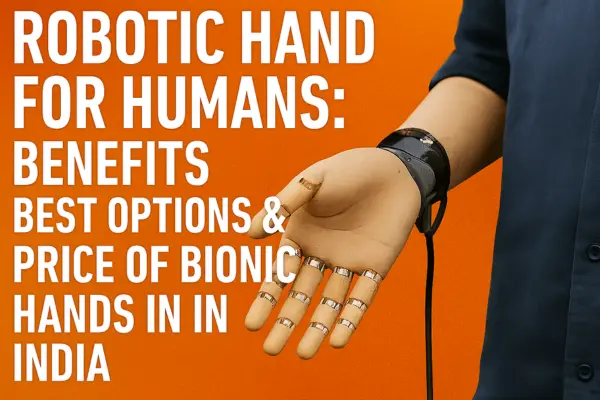
Table of Content
2. What Is a Robotic Hand or Bionic Hand?
3. How Does a Robotic Hand Work?
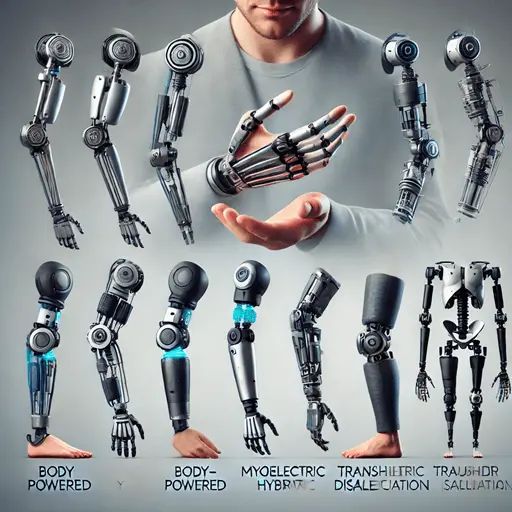
4. Types of Artificial Hands Available in India
5. Benefits of Using a Robotic Hand for Humans
6. Bionic Hand vs Mechanical Prosthetic Hand: Which Is Better?
7. Top Robotic Hand Brands and Models in India
8. Bionic Hand Price in India: Complete Breakdown
9. Artificial Hand Cost in India vs Artificial Leg for Handicapped Price
10. Complete Cost List: Bionic, Robotic & Artificial Hands in India (Detailed Price Table)
11. Best Robotic Hand for Humans in India
12. Artificial Leg and Hand Equipment for Handicapped Persons
13. How to Choose the Right Robotic or Bionic Hand
14. Government Schemes and NGO Support for Prosthetic Users in India
15. Future of Artificial and Robotic Hands in India
16. Conclusion
17. Faqs
Introduction: The Rise of Robotic Hands for Humans
In today’s world, technology is doing far more than making our lives easier—it’s giving people a second chance at living a normal, independent life. One of the most groundbreaking inventions in medical science is the robotic hand for humans, also known as a bionic or prosthetic hand. For individuals who’ve lost their hands due to accidents, birth defects, or medical conditions, these artificial limbs are nothing short of life-changing.
In India, the demand for bionic and robotic prosthetic hands is steadily growing as awareness increases and advanced technology becomes more accessible. The combination of mechanical engineering, artificial intelligence (AI), and neuroscience has revolutionized how prosthetic hands function. They’re no longer just “tools” for daily activities—they’re responsive, adaptive, and almost lifelike.
Moreover, India has emerged as a major hub for affordable prosthetics, offering cost-effective yet highly functional options for both locals and international patients. The bionic hand price in India can range widely depending on the technology, materials, and brand involved—but the possibilities are expanding rapidly. From cosmetic prosthetic hands to advanced robotic arms controlled by brain signals, users now have choices that truly restore dignity and confidence.
So, if you’re looking for detailed insights about artificial hand cost, robotic hand for humans price, or even the best bionic hand brands in India, this comprehensive guide will cover everything you need to know—from benefits to price breakdowns and real-world options.
What Is a Robotic Hand or Bionic Hand?
A robotic hand or bionic hand is an advanced prosthetic device designed to replicate the natural movement and appearance of a human hand. Unlike traditional prosthetics that are mostly static, a bionic hand uses electrical signals from the user’s muscles (called EMG signals) to perform real movements such as gripping, pinching, or rotating.
Essentially, these devices are powered by bioelectronic technology. Tiny sensors are embedded inside the prosthetic, detecting muscle activity from the remaining limb. These signals are then converted into mechanical motion, enabling the artificial hand to respond in real-time.
There are primarily three types of prosthetic hands used today:
- Cosmetic Prosthetic Hands – Designed for appearance rather than function.
- Mechanical Hands – Controlled through cables or body motion, offering basic functionality.
- Bionic (Robotic) Hands – Fully electronic with motorized fingers, often AI-powered.
What makes bionic hands special is their lifelike responsiveness. Some high-end models, like the iLimb or Ottobock Myoelectric Hand, can even sense pressure and adjust grip strength automatically. They’re equipped with microprocessors that “learn” how the user moves and adapts over time—turning an artificial limb into an extension of the body itself.
In India, these devices are becoming increasingly popular not only because of global awareness but also due to domestic innovations from brands like Endolite India, Aether Biomedical, and Ottobock India, which offer advanced prosthetics tailored to local needs
How Does a Robotic Hand Work?
The magic behind a robotic hand lies in its integration of biomechanics, robotics, and AI. To understand how it functions, let’s break it down step-by-step:
- Signal Detection – Sensors placed on the skin detect tiny electrical signals (EMG signals) produced when a person tries to move their missing limb.
- Signal Processing – A microcontroller interprets these signals and converts them into digital commands.
- Movement Execution – Motors inside the prosthetic activate, moving the fingers or wrist accordingly.
- Feedback Loop – Some advanced models provide sensory feedback, allowing the user to “feel” pressure or texture.
This process happens in milliseconds—so fast that the motion feels almost natural. The technology continues to evolve, with AI-driven bionic hands learning a user’s unique motion patterns over time.
In India, clinics and rehab centers now specialize in custom-fitted robotic prosthetics, ensuring that users get not just comfort but precision control. While simpler versions may be powered mechanically (through cables or levers), the latest bionic models rely on rechargeable batteries and advanced software to enable smooth, human-like motion.
These innovations are making it possible for users to perform everyday tasks—like holding a cup, typing, or even shaking hands—with remarkable confidence.
Types of Artificial Hands Available in India
India offers a wide range of prosthetic hands to suit different needs and budgets. Here’s a quick overview:
| Type | Description | Functionality Level | Average Price (INR) |
|---|---|---|---|
| Cosmetic Prosthetic Hand | Focuses on appearance; limited movement. | Basic | ₹15,000 – ₹40,000 |
| Mechanical Prosthetic Hand | Uses body motion and cables to operate. | Moderate | ₹40,000 – ₹1,50,000 |
| Myoelectric / Bionic Hand | Uses muscle signals and electronics. | High | ₹2,00,000 – ₹15,00,000+ |
| Advanced Robotic Hand | Controlled by AI, sensors, and microprocessors. | Very High | ₹10,00,000 – ₹25,00,000+ |
Each of these options comes with trade-offs. Cosmetic hands are affordable and visually realistic but offer no functional movement. Mechanical prosthetics provide basic grip and motion using shoulder or arm strength. However, bionic and robotic hands deliver unmatched flexibility and control, closely mimicking the natural hand’s capabilities.
Brands like Endolite India, Ottobock, and Bionic India are leading the market with both local and imported options. Users can choose based on their needs—whether it’s for daily use, professional tasks, or rehabilitation purposes.
Benefits of Using a Robotic Hand for Humans
The advantages of using a robotic hand or bionic arm go far beyond physical rehabilitation—they completely transform lives. For many amputees, getting a prosthetic is not just about functionality; it’s about regaining a sense of self and independence. Here’s why robotic hands are so revolutionary:
1. Restored Functionality and Dexterity
Modern bionic hands are engineered to replicate real hand movements with astonishing precision. Users can hold objects of varying shapes and weights, type on a keyboard, write, and even cook. Some robotic hands can perform more than 30 unique grip patterns—making them incredibly versatile for daily life and professional tasks.
2. Enhanced Comfort and Natural Feel
Traditional prosthetics often cause discomfort, but robotic hands are built using lightweight materials like carbon fiber and silicone. They’re ergonomically designed to fit comfortably and balance well with the user’s remaining limb. Moreover, some bionic hands come with sensory feedback technology, allowing the user to feel pressure or texture—a game-changer for performing delicate tasks.
3. Emotional and Psychological Benefits
Losing a limb can deeply affect a person’s self-esteem and mental health. Robotic hands give users a chance to feel “whole” again. Imagine being able to shake hands confidently or hold a loved one’s hand—these simple actions restore dignity and emotional stability. In fact, psychological studies show that prosthetic users report higher happiness and social confidence levels after transitioning to robotic prosthetics.
4. Independence and Improved Quality of Life
Perhaps the biggest benefit is independence. With the help of a bionic arm, people no longer depend heavily on caregivers for simple daily activities. From dressing up to driving or using smartphones, robotic hands enable users to regain control of their lives.
In India, where awareness of disability inclusion is growing, these devices symbolize empowerment. They don’t just fill a gap—they open up a new world of possibilities.
Bionic Hand vs Mechanical Prosthetic Hand: Which Is Better?
Choosing between a bionic hand and a mechanical prosthetic hand depends on your needs, lifestyle, and budget. Let’s compare them side by side:
| Feature | Mechanical Hand | Bionic (Robotic) Hand |
|---|---|---|
| Control Mechanism | Cable or body-powered | Myoelectric (muscle signals) |
| Movement Range | Limited | High (individual finger motion) |
| Maintenance | Low | Moderate to High |
| Weight | Light | Moderate |
| Price Range (INR) | ₹40,000 – ₹1,50,000 | ₹2,00,000 – ₹25,00,000+ |
| Lifelike Appearance | Moderate | Excellent |
| Ideal User | Those needing basic use | Active individuals, professionals |
Mechanical prosthetic hands are durable, low-cost, and simple to use. They’re perfect for those who need a reliable device for daily functionality but don’t require complex motion.
However, bionic hands represent the future. They use electric motors and sensors to mimic the human hand’s full range of motion. Some even connect to smartphone apps, allowing users to customize their grip patterns and speed.
If budget allows, a robotic or bionic hand offers far superior control, flexibility, and comfort—making it the best long-term investment for most users in India.
Top Robotic Hand Brands and Models in India
India’s prosthetic market is booming, with several international and domestic brands offering innovative solutions. Below are some of the best robotic hand brands and models available today:
- Ottobock Myoelectric Hand (Germany)
- Features: Multi-articulating fingers, EMG-based control, lightweight carbon fiber design.
- Price: ₹12,00,000 – ₹25,00,000
- Ideal for: Professionals and active lifestyle users.
- Endolite India – Myoelectric Prosthetic Hand
- Features: Custom fit, EMG control, rechargeable battery.
- Price: ₹3,00,000 – ₹7,00,000
- Ideal for: Indian users seeking affordability with good performance.
- iLimb Quantum (UK)
- Features: 24 grip patterns, Bluetooth connectivity, pressure sensors.
- Price: ₹20,00,000 – ₹30,00,000+
- Ideal for: Premium users requiring advanced functionality.
- Aether Biomedical Zeus Hand (Poland/India)
- Features: AI-driven motion learning, lightweight, fast response.
- Price: ₹5,00,000 – ₹10,00,000
- Ideal for: Users wanting modern tech at a balanced cost.
- Bionic India Advanced Hand
- Features: Made in India, durable, EMG-controlled, cost-effective.
- Price: ₹2,50,000 – ₹6,00,000
- Ideal for: Indian amputees seeking affordable options with solid performance.
These brands have revolutionized prosthetic care in India, making technology accessible to people from all walks of life. Hospitals and rehab centers across major cities like Delhi, Mumbai, Bengaluru, and Chennai now provide these hands along with professional fitting and training services.
Bionic Hand Price in India: Complete Breakdown
When it comes to the bionic hand price in India, the range varies depending on the complexity of the prosthetic, technology used, and brand. Here’s a simplified breakdown:
| Type of Hand | Approx. Price Range (INR) | Features |
|---|---|---|
| Cosmetic Prosthetic Hand | ₹15,000 – ₹40,000 | Purely aesthetic, no motion |
| Mechanical Hand | ₹40,000 – ₹1,50,000 | Cable or spring-operated |
| Basic Myoelectric Hand | ₹2,00,000 – ₹6,00,000 | EMG sensors, motorized grip |
| Advanced Bionic Hand | ₹7,00,000 – ₹15,00,000 | Finger articulation, AI features |
| Premium Robotic Hand | ₹15,00,000 – ₹30,00,000+ | Multi-grip, sensory feedback, Bluetooth control |
The artificial hand cost also depends on additional services like fitting, physiotherapy, battery replacements, and customization. Imported prosthetics generally cost more but offer superior comfort and longevity.
While the prices might seem high, India’s growing prosthetic technology sector has started producing locally manufactured bionic hands at nearly half the international cost—making advanced solutions more affordable.
Artificial Hand Cost in India vs Artificial Leg for Handicapped Price
When we talk about prosthetics, both artificial hands and legs play a critical role in helping differently-abled individuals regain mobility and independence. However, the cost structure for artificial hands and legs in India differs significantly based on design, functionality, and materials used.
Let’s explore the comparison in detail:
| Prosthetic Type | Average Price Range (INR) | Description |
|---|---|---|
| Artificial Hand (Cosmetic) | ₹15,000 – ₹40,000 | Primarily aesthetic, focuses on appearance. |
| Mechanical Hand | ₹40,000 – ₹1,50,000 | Body-powered using cables and levers. |
| Bionic / Robotic Hand | ₹2,00,000 – ₹25,00,000+ | Uses sensors, motors, and AI. |
| Artificial Leg (Basic Mechanical) | ₹25,000 – ₹75,000 | Suitable for below-knee amputees. |
| Myoelectric Leg (Advanced) | ₹3,00,000 – ₹10,00,000+ | Electrically controlled, enables smooth walking. |
| Smart Robotic Leg | ₹10,00,000 – ₹30,00,000+ | Uses AI for balance, stairs, and gait correction. |
From this, it’s clear that artificial legs are often slightly more expensive because they must support the entire body’s weight and movement. However, bionic hands can surpass these costs at the high end, particularly with imported models like iLimb or Ottobock.
In India, NGOs and government initiatives help make prosthetic devices accessible to low-income patients. Programs such as ALIMCO (Artificial Limbs Manufacturing Corporation of India) and Bhagwan Mahaveer Viklang Sahayata Samiti (BMVSS)—creators of the famous Jaipur Foot—offer subsidized or even free prosthetics for those in need.
For users seeking high-end devices, insurance coverage and installment plans are becoming increasingly available through private hospitals and prosthetic centers. This growing ecosystem is making life-changing technology reachable for thousands of people who previously couldn’t afford it.
Complete Cost List: Bionic, Robotic & Artificial Hands in India (Detailed Price Table)
Here’s the most comprehensive cost breakdown of all available prosthetic and robotic hand options in India. These prices are based on 2025 market averages and may vary by brand, customization, and fitting requirements.
| Category | Type / Brand | Technology | Price Range (INR) | Highlights |
|---|---|---|---|---|
| Cosmetic Hands | Local Indian Brands | Aesthetic only | ₹15,000 – ₹40,000 | Lightweight, realistic look |
| Mechanical Hands | Endolite Basic, Ottobock Basic | Cable-driven | ₹40,000 – ₹1,50,000 | Body-powered, affordable |
| Basic Bionic Hands | Endolite Myoelectric, Bionic India | EMG signals | ₹2,00,000 – ₹5,00,000 | Electric motor grip |
| Advanced Robotic Hands | Aether Biomedical, Ottobock | AI + motorized fingers | ₹7,00,000 – ₹15,00,000 | Smart sensors, multi-grip |
| Premium Hands | iLimb Quantum, Ottobock Michelangelo | AI, Bluetooth, Sensory Feedback | ₹15,00,000 – ₹30,00,000+ | Global models with full movement |
| Artificial Legs | Jaipur Foot, Ottobock C-Leg | Mechanical / Electronic | ₹25,000 – ₹30,00,000+ | From basic mobility to robotic balance |
Additional Cost Considerations:
- Customization Charges: ₹10,000 – ₹50,000 (based on fit and aesthetics)
- Battery Replacement: ₹5,000 – ₹20,000 annually
- Physiotherapy & Training: ₹10,000 – ₹25,000 (depending on duration)
- Warranty & Maintenance Plans: ₹5,000 – ₹15,000 per year
In summary, a high-quality robotic hand for humans can start around ₹2 lakhs and go up to ₹25 lakhs or more, depending on brand and functionality. Indian-made prosthetics are far more affordable, while imported models deliver unmatched realism and comfort.
For many users, the investment is well worth it—these devices can last for years and drastically enhance day-to-day living, enabling individuals to return to work, study, and social life.
Best Robotic Hand for Humans in India
After analyzing performance, pricing, and user satisfaction, here are the top 5 robotic hands for humans in India:
1. Ottobock Myoelectric Hand
- Price: ₹12,00,000 – ₹25,00,000
- Features: Responsive motion, customizable grip, durable build, global warranty.
- Best For: Professionals and users who want premium control and comfort.
2. Endolite India Myoelectric Hand
- Price: ₹3,00,000 – ₹7,00,000
- Features: Indian-made, customizable for fit and power, affordable maintenance.
- Best For: Those seeking a balance between cost and function.
3. Aether Biomedical Zeus Hand
- Price: ₹5,00,000 – ₹10,00,000
- Features: AI learning, adaptable movement, long battery life.
- Best For: Active individuals with tech-driven needs.
4. iLimb Quantum
- Price: ₹20,00,000 – ₹30,00,000+
- Features: Bluetooth-enabled, multiple grip modes, advanced sensory feedback.
- Best For: High-performance users requiring precision.
5. Bionic India Advanced Hand
- Price: ₹2,50,000 – ₹6,00,000
- Features: Cost-effective, reliable, locally serviced.
- Best For: Budget-conscious users who need essential bionic function.
Each of these models offers a unique mix of features and price points. If you’re looking for value, Endolite or Bionic India are great Indian options. But if you seek cutting-edge global performance, Ottobock or iLimb deliver world-class functionality worth the investment.
Artificial Leg and Hand Equipment for Handicapped Persons
Apart from prosthetic limbs, India also offers a range of handicap equipment designed to improve daily living. These include mobility aids, orthotic supports, wheelchairs, walkers, and rehabilitation tools.
Popular Prosthetic & Assistive Equipment in India:
- Artificial Limbs (Hand & Leg)
- Supportive Orthoses (Knee & Arm Braces)
- Motorized Wheelchairs
- Customized Rehabilitation Tools
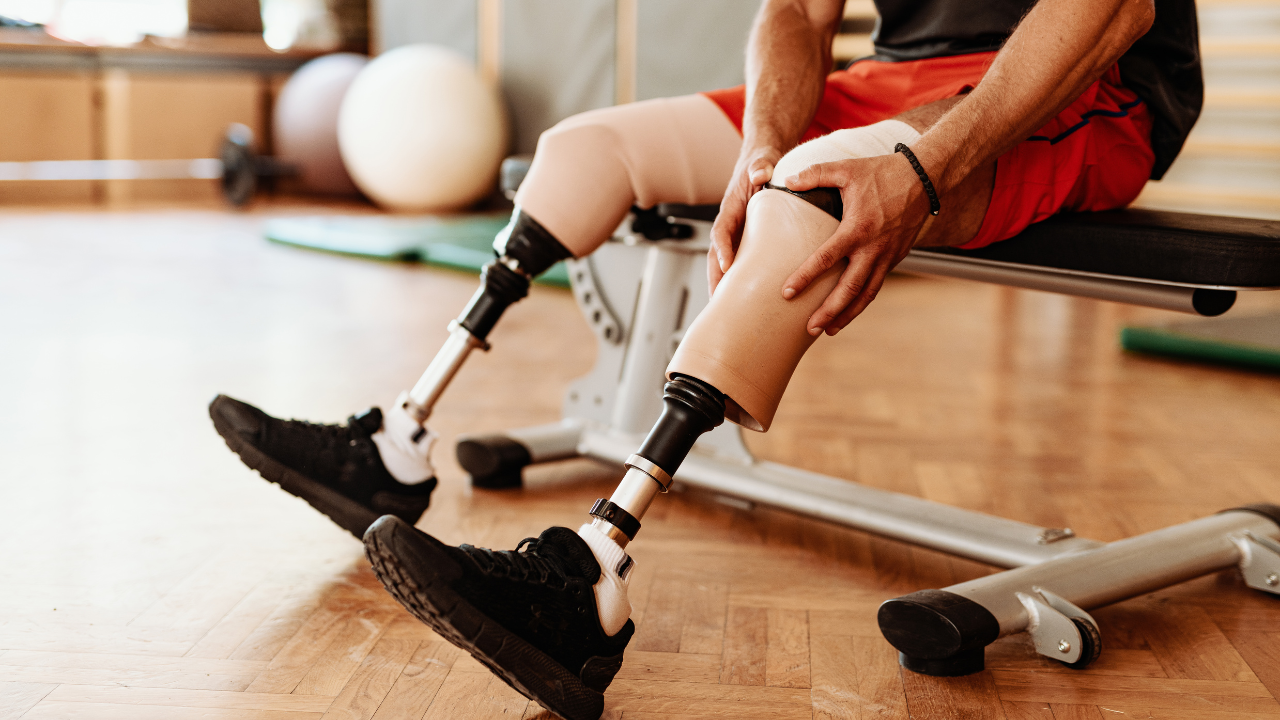
For an artificial leg for handicapped, the price depends on amputation level (below-knee or above-knee), material, and control mechanism:
- Basic mechanical leg: ₹25,000 – ₹75,000
- Hydraulic / Myoelectric leg: ₹3,00,000 – ₹10,00,000
- AI-based robotic leg: ₹10,00,000 – ₹30,00,000+
India’s prosthetic industry, supported by institutes like ALIMCO, ensures that even economically weaker individuals have access to mobility aids through subsidy schemes and charitable programs.
How to Choose the Right Robotic or Bionic Hand
Choosing the perfect robotic or bionic hand can feel overwhelming, especially with so many models, prices, and technologies available in India today. However, if you approach the process step by step, you can easily find one that fits your body, lifestyle, and budget.
1. Assess Your Needs
Every user’s requirement is unique. For example:
- If you need the prosthetic mainly for appearance, a cosmetic hand will suffice.
- For basic gripping tasks, a mechanical prosthetic hand may be ideal.
- If you desire advanced motion and fine motor control, a bionic or myoelectric hand is the right choice.
Start by evaluating your daily activities—from work and hobbies to mobility requirements. A good prosthetist will help you match your needs with the right model.
2. Consider Comfort and Weight
Comfort is crucial because a prosthetic becomes an extension of your body. Modern bionic hands are made of lightweight carbon fiber or silicone to reduce fatigue during long use. Ensure the socket fits perfectly and doesn’t cause discomfort or skin irritation.
3. Check the Technology
Different hands use varying levels of technology:
- Myoelectric sensors detect muscle activity.
- AI-powered systems adapt to user movements.
- Bluetooth and app control help adjust grip modes easily.
Ask your provider to demonstrate the available control mechanisms so you can choose one that feels natural to you.
4. Maintenance and Durability
A bionic hand requires regular maintenance. Ask about battery life, replacement parts availability, and after-sales service. Always go for brands that offer strong warranties and local servicing centers—this can save you both time and cost later on.
5. Budget and Long-Term Costs
Your initial purchase isn’t the only cost. Consider long-term expenses like:
- Battery replacement
- Maintenance
- Physiotherapy and calibration sessions
If you’re working within a budget, Indian brands like Endolite and Bionic India provide high-performance yet affordable prosthetics compared to imported models.
6. Consult Professionals
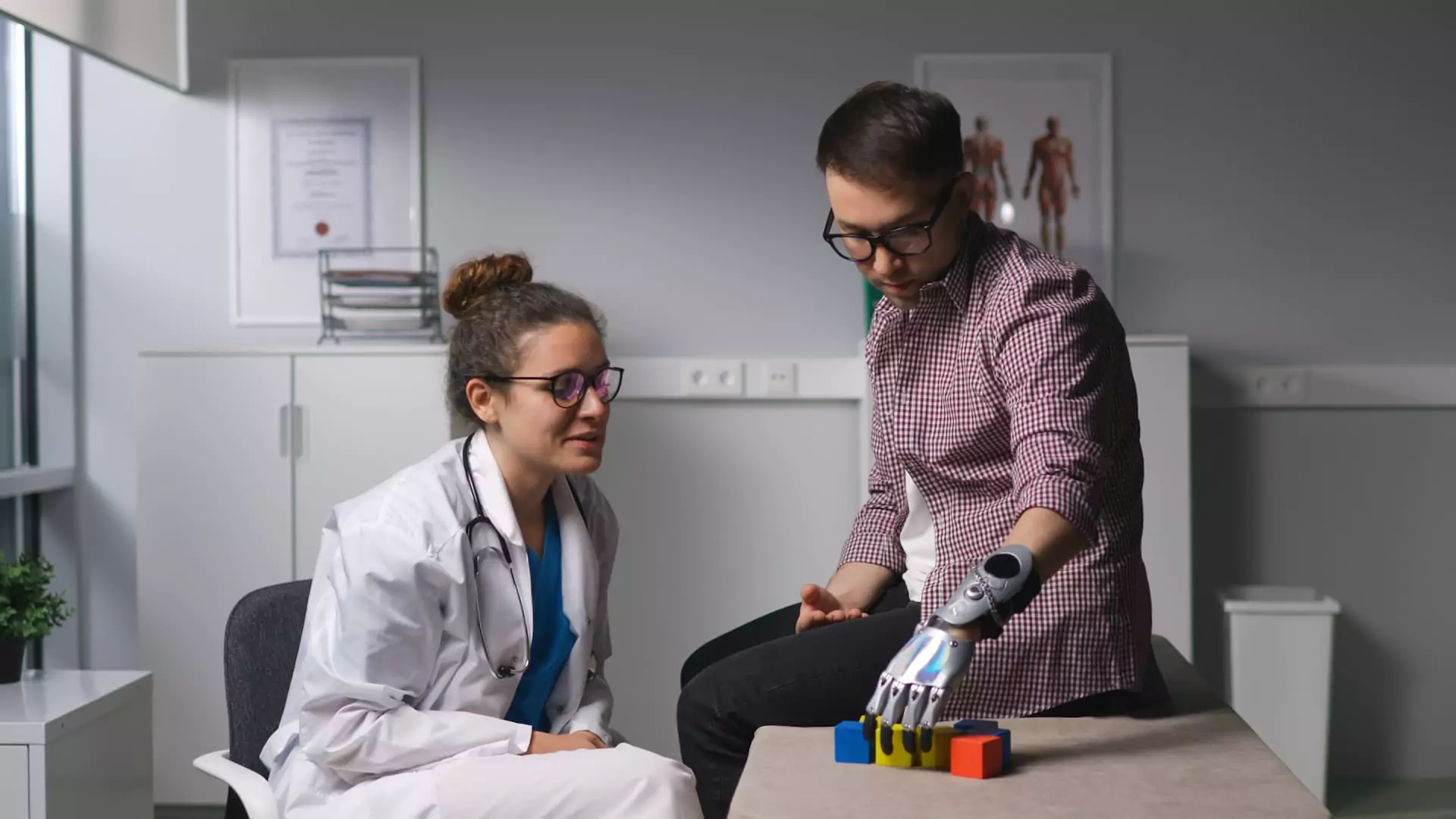
Always work with a certified prosthetist or orthopedic specialist. They can evaluate your stump, recommend suitable options, and handle the fitting process accurately.
7. Trial Before Purchase
Whenever possible, test different prosthetic hands to see how they feel. Comfort, ease of control, and responsiveness are key factors that determine satisfaction over time.
In short, don’t rush the process. A bionic hand is not just equipment—it’s a part of your body and your confidence. Choose wisely, and you’ll experience a life-changing improvement in both function and self-esteem.
Government Schemes and NGO Support for Prosthetic Users in India
One of the best aspects of living in India today is that there are several government and non-governmental initiatives designed to support people with disabilities. Many programs provide free or subsidized prosthetic limbs, artificial hands, and handicap equipment to help individuals live independently.
1. ALIMCO (Artificial Limbs Manufacturing Corporation of India)
A government-owned organization under the Ministry of Social Justice and Empowerment, ALIMCO manufactures and distributes high-quality, affordable prosthetic devices. They conduct camps across India, especially in rural areas, offering free or low-cost fittings for artificial hands and legs.
2. Bhagwan Mahaveer Viklang Sahayata Samiti (BMVSS) – Jaipur Foot
Famous for developing the Jaipur Foot, BMVSS provides artificial legs and hands free of charge to thousands of people every year. Their designs are durable, water-resistant, and suited to Indian conditions, making them an excellent option for economically weaker users.
3. District Disability Rehabilitation Centres (DDRCs)
These centers, set up across India, help individuals get access to government-subsidized prosthetic limbs, wheelchairs, and assistive devices. They also organize awareness drives and medical camps for rural populations.
4. NGOs and Charitable Hospitals
Organizations like Narayan Seva Sansthan, Rotary Clubs, and Red Cross India sponsor free prosthetics for underprivileged amputees. Some even partner with hospitals and foreign foundations to bring in advanced bionic technology for select patients.
5. Insurance and Loan Schemes
Private insurance companies and government health schemes (like Ayushman Bharat and ESI) now include prosthetic coverage under certain plans. Additionally, patients can avail zero-interest EMI options through prosthetic centers for high-end bionic limbs.
In short, financial limitations should no longer stop anyone from regaining mobility and independence. With India’s growing awareness and compassionate programs, even the most advanced robotic hand for humans is becoming accessible to all.
Future of Artificial and Robotic Hands in India
The future of artificial and robotic prosthetics in India looks incredibly bright. As technology advances and local innovation accelerates, prosthetic devices are becoming more affordable, adaptive, and lifelike than ever before.
1. Rise of Indian Startups
Several Indian startups, such as MyoWorks, Bionic India, and KalArm Technologies, are developing homegrown AI-based bionic hands at a fraction of the international cost. These innovations aim to provide advanced control and sensory feedback while keeping prices under ₹3–5 lakh—a huge step toward inclusivity.
2. AI and Machine Learning Integration
Artificial Intelligence is transforming prosthetic technology. Future robotic hands will use machine learning algorithms to understand user intent more precisely, predict motion, and adjust automatically for smoother performance.
3. Neuro-Controlled Prosthetics
The next generation of bionic hands will be mind-controlled, using signals directly from the brain. Trials have already shown promising results, where users can move prosthetic fingers just by thinking about the action—bridging the gap between human biology and robotics.
4. 3D Printing and Custom Manufacturing
3D printing is making prosthetic design faster, cheaper, and more personalized. With it, users can get perfectly fitted sockets and lighter designs in just days instead of weeks.
5. Wider Accessibility and Awareness
Government support, combined with technological progress, means that bionic hands for humans in India will soon be available to people from every income group. The coming decade will likely see robotic limbs becoming as common and affordable as smartphones today.
The bottom line? The future of prosthetics in India isn’t just about technology—it’s about empowerment. Every advancement brings us closer to a world where disability doesn’t define ability.
Conclusion
The journey of prosthetic technology in India has been nothing short of inspiring. From simple wooden limbs to sophisticated AI-driven robotic hands, the evolution represents more than science—it represents hope.
A robotic hand for humans is not just a piece of machinery; it’s a symbol of human resilience. It restores not only physical functionality but also confidence, self-worth, and freedom. For thousands of Indians living with limb loss, these devices are rewriting what’s possible—allowing them to work, play, and live fully again.
With new innovations, affordable pricing, and strong government support, India is rapidly emerging as a leader in bionic hand and prosthetic technology. Whether you’re seeking a basic mechanical hand or a state-of-the-art robotic model, there’s now a solution for every need and budget.
If you or someone you know is exploring prosthetic options, don’t hesitate—visit a trusted prosthetic and medical assistance provider like Innayat Medical to learn about the available models and take that step toward independence.
Explore robotic & bionic hands in India—compare brands, benefits, tech & prices of artificial hands & legs for disabled users to find the best fit & budget.
Frequently Asked Questions
Trending Posts
-
![What are the Solutions for Below and Above Elbow Amputations?]() What are the Solutions for Below and Above Elbow Amputations?
12 Aug, 2024
What are the Solutions for Below and Above Elbow Amputations?
12 Aug, 2024
-
![Find the Best Artificial Limb Centre Near You: Top Recommendations]() Find the Best Artificial Limb Centre Near You: Top Recommendations
20 Aug, 2024
Find the Best Artificial Limb Centre Near You: Top Recommendations
20 Aug, 2024
-
![Top Artificial Limbs Centre Gurgaon & Delhi | Affordable Care]() Top Artificial Limbs Centre Gurgaon & Delhi | Affordable Care
08 Oct, 2024
Top Artificial Limbs Centre Gurgaon & Delhi | Affordable Care
08 Oct, 2024
-
![Artificial Limbs Center: Expert Prosthetics for Active Living]() Artificial Limbs Center: Expert Prosthetics for Active Living
11 Oct, 2024
Artificial Limbs Center: Expert Prosthetics for Active Living
11 Oct, 2024
-
![How Much Does an Artificial Leg Above Knee Cost in India?]() How Much Does an Artificial Leg Above Knee Cost in India?
07 Mar, 2025
How Much Does an Artificial Leg Above Knee Cost in India?
07 Mar, 2025
-
![Advanced Artificial Limb Above Knee Technology]() Advanced Artificial Limb Above Knee Technology
07 Mar, 2025
Advanced Artificial Limb Above Knee Technology
07 Mar, 2025
-
![Artificial Leg Cost in India: Price, Types & Full Guide]() Artificial Leg Cost in India: Price, Types & Full Guide
13 Mar, 2025
Artificial Leg Cost in India: Price, Types & Full Guide
13 Mar, 2025
-
![Below-Knee Prosthesis: Restoring Mobility and Confidence After Limb Loss]() Below-Knee Prosthesis: Restoring Mobility and Confidence After Limb Loss
17 Mar, 2025
Below-Knee Prosthesis: Restoring Mobility and Confidence After Limb Loss
17 Mar, 2025
-
![How the Dennis Brown Splint Helps Correct Pediatric Foot Deformities]() How the Dennis Brown Splint Helps Correct Pediatric Foot Deformities
21 Mar, 2025
How the Dennis Brown Splint Helps Correct Pediatric Foot Deformities
21 Mar, 2025
-
![Regaining Confidence with Artificial Fingers]() Regaining Confidence with Artificial Fingers
14 Apr, 2025
Regaining Confidence with Artificial Fingers
14 Apr, 2025