Losing a hand or part of an arm is a life-changing event that can impact a person’s independence, confidence, and ability to perform daily tasks. Thankfully, with advancements in prosthetic technology, artificial hands have become more functional, lifelike, and affordable than ever before in India.
An artificial hand is a specially designed mechanical or electronic device that replaces a missing hand. It restores basic functions such as gripping, holding, and performing daily activities, helping amputees or physically disabled individuals regain their freedom.
While the terms artificial hand, prosthetic hand, and artificial arm are often used interchangeably, there are slight differences. A prosthetic hand refers specifically to a replacement of the hand part, while an artificial arm includes both the hand and forearm or even the entire upper limb, depending on the level of amputation.
Artificial hands are used by people who have lost their hand due to accidents, birth defects, or medical conditions like diabetes or cancer-related amputations. For the handicapped and physically disabled in India, these devices are not just tools — they’re life enhancers, restoring self-reliance and improving emotional well-being.The Indian prosthetics industry has seen a significant boom over the past decade, driven by innovations, local manufacturing, and increasing awareness. Clinics and providers like Mobility Solution are leading this movement, offering customized artificial hands that combine comfort, function, and affordability.
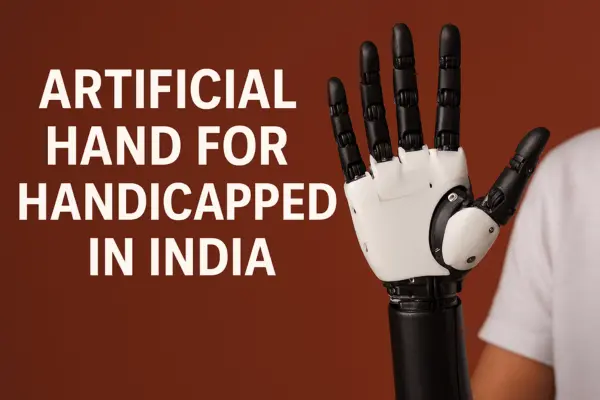
Artificial Hand for Handicapped in India
In India, thousands of individuals lose their hands or arms each year due to accidents, diseases, or congenital disabilities. For many, this results in a loss of independence and a significant emotional burden. That’s where artificial hands for the handicapped come in—these prosthetic devices give users the ability to regain functionality and confidence in their everyday lives.
Modern prosthetic hands in India are designed with both aesthetic appeal and functional performance in mind. They not only look natural but also help users perform daily tasks like eating, writing, or dressing without assistance. The availability of options for men, women, and children means every user can find a prosthetic solution tailored to their individual needs and preferences.
For men, artificial hands are typically built with a focus on strength, grip power, and durability—ideal for performing work-related or physically demanding tasks. For women and children, designs often prioritize comfort, lightness, and aesthetic appeal to ensure natural movement and appearance. The goal is to make the prosthesis feel like an extension of the body rather than an external attachment.
Additionally, the emotional impact of receiving an artificial hand cannot be understated. For many amputees, it marks the beginning of a new chapter—one where they can shake hands, hold loved ones, and perform tasks that were once impossible. It’s a powerful reminder that disability doesn’t have to mean inability
Types of Prosthetic Arms and Hands
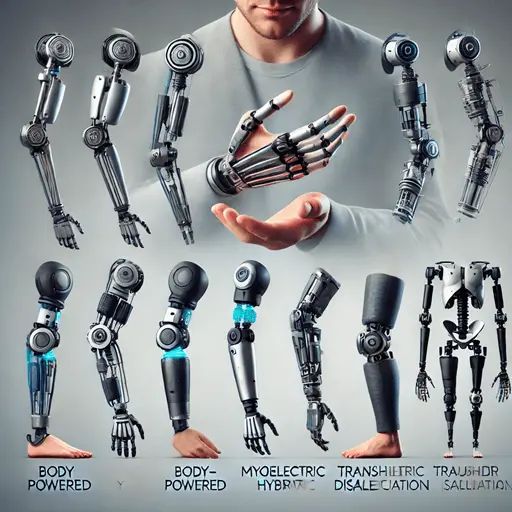
Choosing the right type of prosthetic hand or arm depends on several factors: the level of amputation, the user’s activity level, and budget. In India, several categories of prosthetic arms and hands are available, ranging from simple cosmetic designs to advanced bionic models.
Mechanical Hands
These are body-powered prosthetics that work using cables and harnesses. When the user moves their shoulder or arm, the motion triggers a mechanical grip. Mechanical prosthetics are affordable and durable, making them a popular choice for those in need of reliable functionality at a lower cost.
Cosmetic or Artificial Hands
Cosmetic prosthetic hands focus on appearance rather than movement. Made with silicone or PVC, they look realistic but do not offer movement or grip functions. Many users prefer them for aesthetic purposes or in cases where the opposite hand can handle most daily activities.
Bionic / Myoelectric Prosthetic Hands
These are the most advanced artificial hands available today. Bionic prosthetics use sensors that detect muscle signals from the residual limb, allowing for natural movements like opening, closing, and rotating the wrist. They can mimic human gestures and offer multiple grip patterns, making them ideal for professionals and active individuals.
However, these prosthetics come with a higher price tag, often making them the most expensive prosthetic arms in India.
Below-Elbow vs Above-Elbow Prosthetic Arms
A below-elbow prosthesis replaces the hand and part of the forearm, offering greater mobility and control. In contrast, an above-elbow prosthesis includes elbow joint functionality and requires more advanced mechanisms for natural movement. The fitting process and training also differ based on the level of amputation.
Artificial Full Hand vs Partial Hand vs Artificial Finger
Artificial Full Hand: Designed for complete hand loss, offering full palm and finger replacement.
Partial Hand Prosthesis: Suitable for users who have lost part of their hand but retain some function.
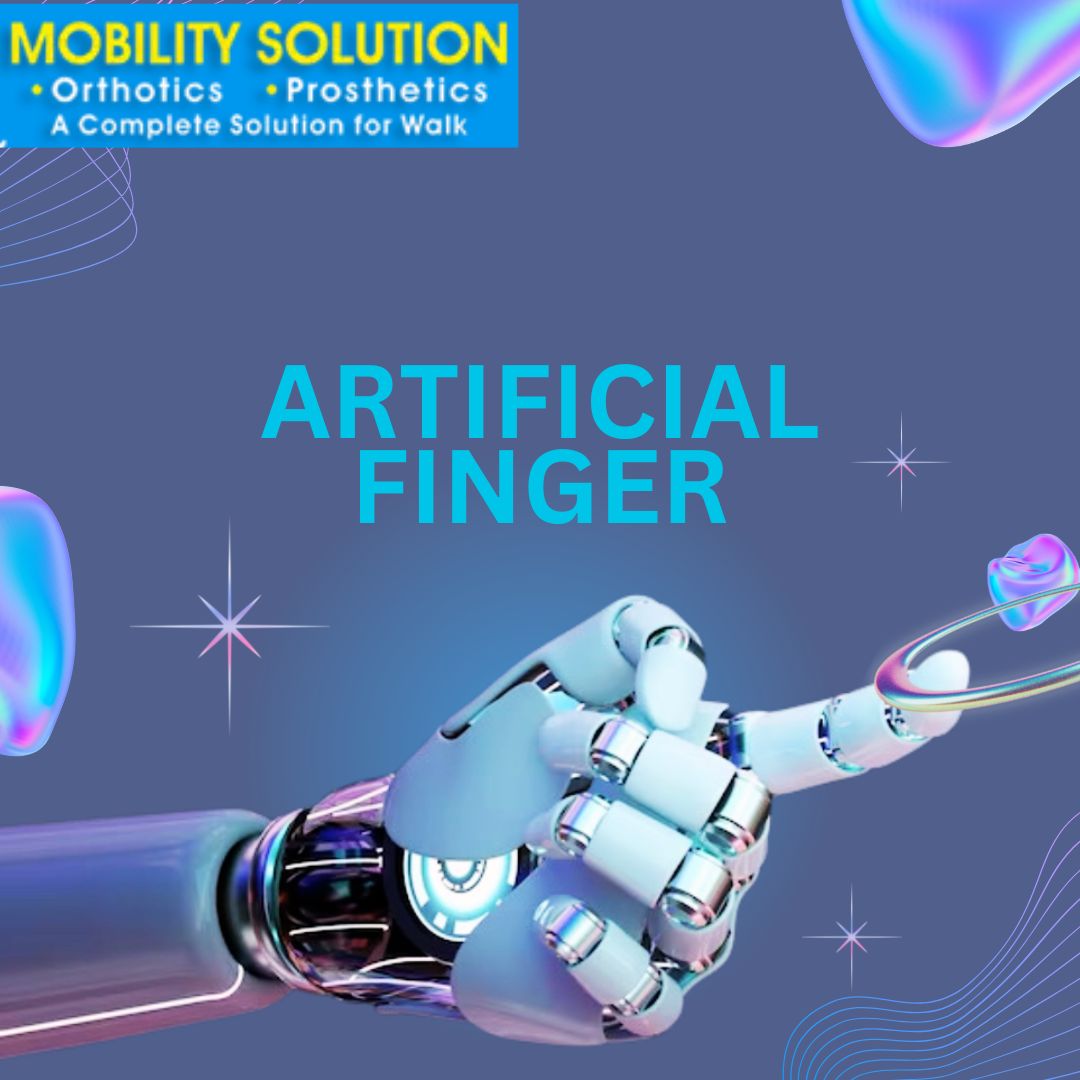
Artificial Finger: Tailored for those missing one or two fingers—these can be custom-designed for comfort and precise movement.
Each category has its own price range and functionality, ensuring that every amputee can find a suitable solution based on their lifestyle and financial capacity.
Artificial Finger, Partial Hand & Full Hand Options
Not all amputations are the same. Some people may lose just a finger, while others may need an entire hand replaced. That’s why prosthetic technology offers a wide range of options—from artificial fingers to full-hand prostheses—so users can receive exactly what they need.
Artificial Finger for Hand – Who Needs It?
An artificial finger is an ideal solution for individuals who have lost one or more fingers but still retain the majority of their hand. These prosthetics are typically custom-made to match the size, color, and function of the user’s natural fingers. Some are purely cosmetic, while others incorporate mechanical or bionic functionality for grip and precision tasks.
Partial Hand Prosthesis
A partial hand prosthesis is designed for those who have lost a portion of their hand below the wrist but still have some functional fingers or palm area. These prosthetics can restore grip strength, allowing the user to hold objects, type, or drive comfortably. The customization ensures that each prosthesis matches the user’s amputation level and skin tone.
Artificial Full Hand Prosthesis
When an individual loses their entire hand, an artificial full-hand prosthesis becomes necessary. These prosthetics come in both mechanical and myoelectric models, with varying levels of control and natural movement. Advanced versions even allow for different grip patterns—like power grip, precision grip, and tripod grip—enabling users to perform a wide range of daily activities.
Customization Based on Disability Level
Artificial fingers, partial hands, and full hands all play a vital role in rehabilitation. They not only help restore physical capabilities but also rebuild confidence and dignity—empowering users to live a full and independent life once again.
Artificial Arms and Hands in India
India’s prosthetic technology market has evolved rapidly over the past decade, making artificial arms and hands more accessible, affordable, and advanced. What was once considered a luxury for the privileged is now within reach for thousands of amputees across the country.
Types of Prosthetic Arms Available in India
Artificial arms in India can generally be divided into three categories based on functionality:
Passive/Cosmetic Arms: These arms are designed primarily for aesthetic appeal. They help users look complete but don’t offer any movement or grip. They’re lightweight, easy to maintain, and cost-effective.
Mechanical/Body-Powered Arms: Operated using cables and body movement, these arms are robust and practical for individuals needing basic functionality like holding, gripping, or pushing.
Myoelectric/Bionic Arms: These are the most advanced types, powered by sensors that pick up muscle signals. They enable natural hand movements and multiple grip patterns, offering high levels of dexterity and precision.
Functional Features & Technology
Modern prosthetic arms now feature lightweight materials like carbon fiber and silicone, ensuring durability and comfort. Some models even come with rotating wrists, flexible elbows, and touch-sensitive grip control. Bionic prosthetics, in particular, use AI-based muscle mapping technology, allowing for seamless and natural motion. These arms can adapt to user preferences, adjusting grip strength and speed according to the activity.
Daily Use vs Advanced Models
For daily use, most amputees in India prefer mechanical or cosmetic prosthetics because they’re low-maintenance, durable, and affordable. However, professionals, athletes, and those in active jobs may opt for advanced bionic prosthetics to regain full control and strength. With proper fitting and training, users can perform a range of activities—from cooking and typing to even playing musical instruments.
India’s growing network of prosthetic centers has made it possible for individuals in both urban and rural areas to access world-class technology and personalized fitting. This ensures that everyone, regardless of budget or disability level, can experience the transformative power of artificial arms and hands.
Artificial Hand Working – How It Functions
Ever wondered how an artificial hand actually works? Whether it’s mechanical or bionic, every prosthetic hand is engineered to replicate the movement and strength of a natural human hand. The working mechanism varies depending on the type of prosthesis chosen.
Basic Mechanical Working
A mechanical artificial hand operates using body movements. The user wears a harness connected to cables that control the hand’s opening and closing. When they move their shoulder or upper arm, it pulls the cable, activating the grip function. It’s a simple yet effective system that provides functional mobility at a fraction of the cost of advanced bionic prosthetics.
Body-Powered vs Battery-Powered
Body-Powered Prosthetics: These rely on physical motion for operation. They’re known for reliability, low maintenance, and affordability—making them ideal for users in rural or semi-urban India.
Battery-Powered or Myoelectric Prosthetics: These are equipped with electrodes that detect muscle signals in the residual limb. The signals are converted into mechanical motion, allowing users to move the hand, wrist, and fingers more naturally. Some bionic hands even come with rechargeable lithium batteries that last several hours of continuous use.
Grip Patterns, Wrist Movement & Control Mechanism
Bionic prosthetics come with pre-programmed grip patterns—such as power grip, precision grip, tripod grip, and pinch. This allows users to perform diverse activities, from holding a cup to typing on a keyboard.
The wrist movement in advanced models can rotate, flex, and extend, offering a high degree of natural motion. Some high-end prosthetic hands even include touch sensors that can gauge pressure, ensuring delicate objects aren’t crushed during handling.
This technology isn’t just about mechanics—it’s about reclaiming independence. The ability to pick up a spoon, write your name, or hold a loved one’s hand again can be truly life-changing for amputees, giving them both physical capability and emotional strength.
Artificial Hand Price in India
When it comes to the cost of artificial hands in India, prices can vary significantly depending on type, brand, functionality, and level of customization. However, India is known for offering some of the most affordable prosthetic solutions globally, without compromising on quality.
Low, Mid & High-Range Price Segments
Low-Range (₹10,000 – ₹40,000): Basic mechanical or cosmetic hands designed for appearance and simple movement. Ideal for users with limited budgets or minimal functional needs.
Mid-Range (₹50,000 – ₹1,50,000): Body-powered prosthetics offering reliable grip and functional use. These are commonly chosen by most amputees in India.
High-Range (₹2,00,000 – ₹10,00,000+): Advanced bionic and myoelectric prosthetics that mimic natural hand movements, offering multiple grips and smart control systems.
Artificial Hand for Handicapped Price Breakdown
The artificial hand for handicapped price depends on materials, customization, and accessories. Basic silicone prosthetic hands may cost around ₹20,000–₹30,000, while customized functional models can go beyond ₹1 lakh.
Clinics often include fitting, alignment, and training charges, which can influence the final price. Advanced models also come with battery systems, sensors, and software, adding to the cost.
City-wise & Clinic-wise Price Differences
Prices also vary based on location and provider. Major metros like Delhi, Mumbai, and Bengaluru may have slightly higher costs due to the use of imported components. However, clinics such as Mobility Solution offer budget-friendly options without compromising on quality, ensuring access to affordable prosthetics across India.
Ultimately, the investment in an artificial hand is more than just a purchase—it’s a step toward freedom, confidence, and self-reliance.
Prosthetic Hand & Arm Cost in India
Type
Price Range (₹)
Description / Features
Basic Cosmetic Hand
₹25,000 – ₹50,000
Purely aesthetic and non-functional; looks real but doesn’t move. Ideal for users prioritizing appearance.
Body-Powered Prosthetic Hand
₹60,000 – ₹1,50,000
Functional design operated through cables and body movement; allows basic tasks like holding utensils or writing.
Myoelectric / Bionic Prosthetic Hand
₹2,50,000 – ₹10,00,000+
Advanced prosthetic with electronic sensors; can move fingers, rotate wrists, and customize grip patterns.
When it comes to prosthetic hand and arm cost in India, there’s a wide range to consider—based on technology, materials, and individual requirements. Fortunately, India has become one of the most cost-effective countries for prosthetic care, offering high-quality artificial limbs at a fraction of international prices.
Prosthetic Hand Cost in India (Detailed Pricing)
A prosthetic hand in India can cost anywhere between ₹25,000 to ₹10,00,000, depending on the complexity and functionality.
Basic Cosmetic Hands (₹25,000 – ₹50,000): These serve mostly aesthetic purposes. They look real but don’t move. Perfect for users prioritizing appearance.
Body-Powered Prosthetic Hands (₹60,000 – ₹1,50,000): These offer actual functionality, allowing users to perform basic tasks like holding utensils, typing, or writing.
Myoelectric/Bionic Prosthetic Hands (₹2,50,000 – ₹10,00,000+): These are advanced models that can move fingers, rotate wrists, and offer customizable grip patterns using electronic sensors.
Prosthetic Arm Cost India (Basic to Advanced)
If an entire arm is required (not just the hand), the price naturally increases due to added components like the elbow joint and advanced control mechanisms.
Hybrid Systems (Mechanical + Electronic): ₹2,00,000 – ₹8,00,000
These prices usually include fitting, customization, and limited warranty support from clinics such as Mobility Solution.
Prosthetic Arm for Sale – How to Choose & Where to Buy
When searching for a prosthetic arm for sale, the most crucial step is to find a trusted provider who offers certified products, professional fitting, and aftercare support. In India, there are several options—ranging from hospital-based clinics to specialized prosthetic centers like Mobility Solution, known for delivering tailored solutions to every patient.
Level of Amputation: Determine if you need a partial hand, full hand, or complete arm prosthesis.
Usage Type: Will you use it for daily tasks, sports, or aesthetics?
Weight & Comfort: Lightweight models offer better wearability and less strain.
Adjustability: Ensure that the prosthesis can be fine-tuned for grip strength and flexibility.
Warranty & Support: Always check for repair and maintenance options.
Must-Have Features Based on User Needs
Depending on your goals, here are some must-have features:
For daily users: Body-powered hands with durable grip mechanisms.
For professionals or athletes: Myoelectric or hybrid models for enhanced precision.
For cosmetic use: Realistic skin tone and silicone finish.
How to Find the Right Fit & Certified Providers
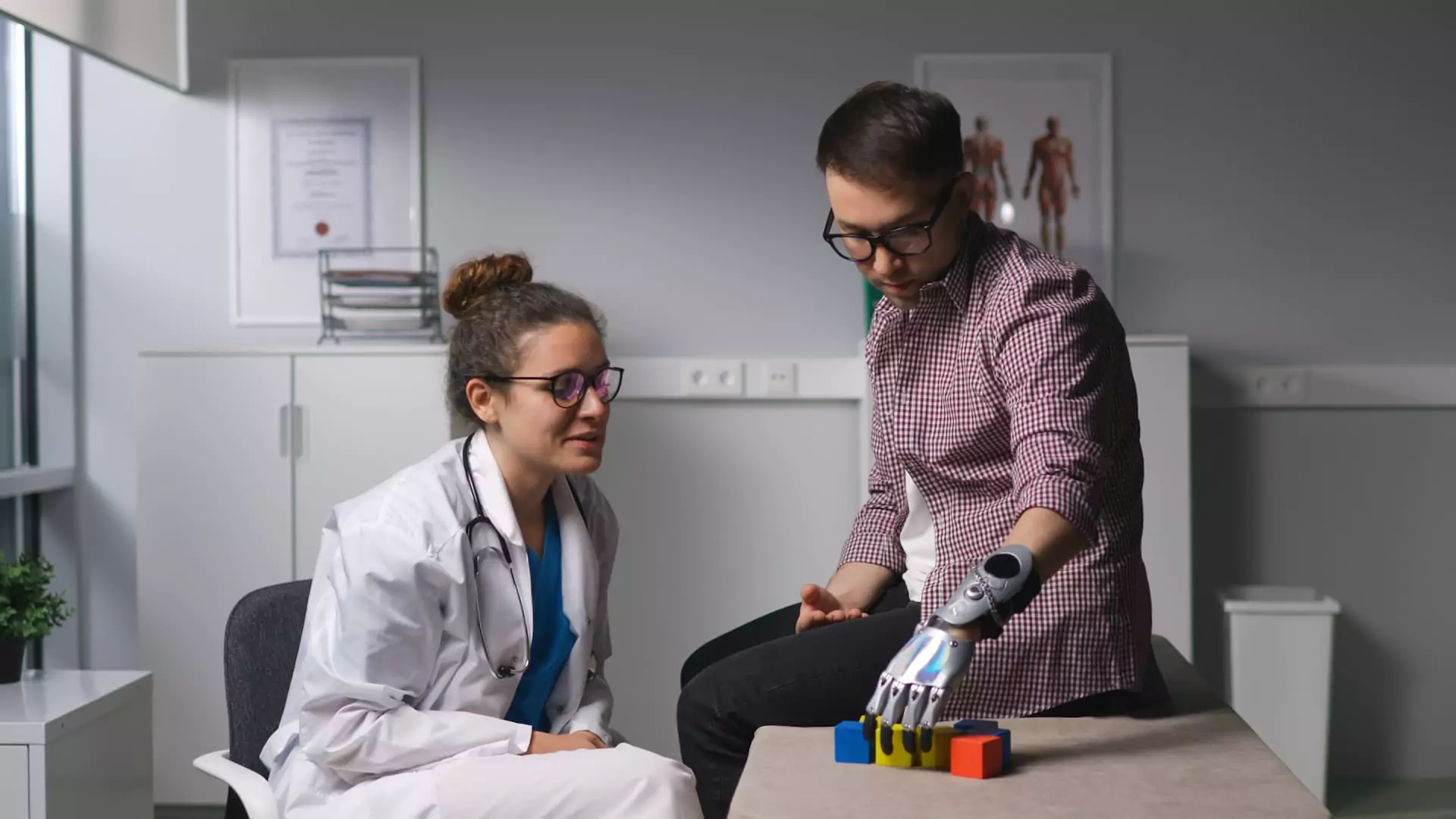
Proper fitting is essential. A poorly fitted prosthetic can lead to discomfort, poor posture, and muscle strain. Always visit certified prosthetists for evaluation and measurement. Clinics like Mobility Solution provide trial fittings, advanced scanning, and 3D modeling for a perfect fit.
Moreover, beware of unverified sellers or online marketplaces offering cheap prosthetics without clinical fitting—these may cause long-term damage or discomfort. The best prosthesis isn’t the most expensive one—it’s the one that feels like a part of you.
Fitting, Training & Aftercare Support
Process of Prosthetic Hand Fitting
The process of prosthetic hand fitting is a carefully structured and deeply personalized journey that ensures the user’s comfort, functionality, and confidence. It begins with a comprehensive consultation, where the prosthetist evaluates the user’s limb condition, lifestyle, and daily activity needs. Every prosthetic hand—whether it’s a cosmetic artificial hand or a functional myoelectric prosthetic arm—is custom-designed for a perfect fit.
Once the evaluation is done, advanced 3D scanning or traditional casting is used to create an accurate mold of the residual limb. This step is critical because even a slight mismatch in fitting can lead to discomfort or restricted mobility. After the socket (the part that connects the limb to the prosthesis) is fabricated, it undergoes multiple trials to ensure the user experiences no pain or skin irritation.
The next phase involves aligning and adjusting the prosthetic hand to optimize natural motion and balance. During this period, users can test grip strength, control, and comfort in different daily activities. For users in India seeking artificial hands for the physically disabled, clinics like Mobility Solution use imported materials and high-tech sensors to make the prosthesis feel as natural as possible.
Proper fitting also includes cosmetic finishing—matching skin tone, texture, and design for a natural look. Whether you are opting for a prosthetic arm for sale, a bionic hand, or a simple artificial finger for hand, the process ensures seamless integration with your lifestyle.
Ultimately, prosthetic hand fitting isn’t just about physical alignment—it’s about emotional restoration. A well-fitted prosthetic allows users to regain independence, confidence, and a renewed sense of purpose.
Why Mobility Solution is the Best Choice in India
Mobility Solution has emerged as one of the most trusted names in India for artificial hands and prosthetic arms, combining medical expertise with modern innovation. But what truly sets them apart isn’t just the technology—it’s the care, compassion, and commitment they bring to every patient.
Why Buy Artificial Hands & Prosthetic Arms from Mobility Solution
Choosing where to purchase your prosthetic hand is a life-changing decision. Mobility Solution offers not just a product but a complete support ecosystem. Their prosthetic hands are designed using German and Japanese technology, ensuring precision, flexibility, and natural movement. Whether you’re looking for a prosthetic arm for sale or a customized artificial full hand, they have a range that caters to all budgets and requirements.
The brand emphasizes customization—each prosthetic is designed after a thorough consultation, ensuring comfort, aesthetics, and usability. Patients can choose between passive cosmetic limbs or active, motor-controlled devices. The team’s holistic approach ensures every user gets a prosthesis that feels like a part of their body.
Additionally, the company has become a pioneer in offering affordable artificial hand prices without compromising quality. From artificial hands for handicapped price options to premium bionic arms, they make advanced prosthetics accessible across India.
Mobility Solution’s expert prosthetists guide users through the entire journey—from fitting and training to lifetime aftercare. Their mission is simple: to restore function, confidence, and dignity to every individual who walks through their doors.
Clinic Support, Warranty & After-Sales Repairs
One of the strongest reasons people choose Mobility Solution in India for prosthetic and artificial limbs is the comprehensive clinic support and reliable after-sales service. When you invest in something as personal and vital as a prosthetic hand, you deserve a lifelong partnership that ensures comfort, performance, and peace of mind.
The clinic provides end-to-end support from the first consultation to long-term maintenance. The team of certified prosthetists and orthoticts conducts detailed assessments to understand your physical needs, lifestyle, and goals. Once your prosthetic is fitted, Mobility Solution stays connected through regular follow-ups and periodic servicing schedules to ensure the prosthesis continues to function perfectly.
Warranty is another crucial benefit. Every artificial arm and hand purchased from Mobility Solution comes with a comprehensive warranty covering manufacturing defects, sensor malfunctions, and mechanical failures. This gives users the confidence that their investment is protected. Unlike many other clinics, Mobility Solution believes in transparency—there are no hidden charges for repair evaluations, and clients are informed upfront about replacement or upgrade costs.
When it comes to after-sales repairs, Mobility Solution stands out with a dedicated service team trained to handle both minor fixes and complex overhauls. Whether you need socket adjustments, battery replacements, or recalibration of your myoelectric sensors, the process is quick, efficient, and handled in-house. For patients who live in remote areas, the company even offers courier-based repair options, ensuring accessibility across India.
The clinic also conducts regular user education programs—workshops where patients can learn about prosthetic care, troubleshooting, and upgrades. This not only enhances the device’s lifespan but also empowers users to manage minor issues independently.
Their patient-first philosophy, backed by technological expertise, ensures that every individual receives world-class support. For those searching for artificial hand in India or prosthetic arm cost India, the value Mobility Solution provides through its lifetime care services makes it an unbeatable choice.
Real Success Stories & Testimonials
The real measure of any prosthetic provider lies in the lives it transforms—and Mobility Solution has countless stories of triumph and renewed hope. From young students to working professionals and elderly individuals, their patients share inspiring journeys of how a well-fitted artificial hand for handicapped helped them regain independence.
Take the story of Ravi Kumar, a 28-year-old engineer who lost his right hand in a workplace accident. He approached Mobility Solution looking for a functional prosthesis that could help him return to his profession. With personalized fitting and training, he now operates complex machinery with his prosthetic arm, describing it as “not a replacement, but an extension of myself.”
Another heartwarming case is that of Sana, a 17-year-old student who was born without a left hand. Her parents wanted her to lead a normal life, so they reached out to Mobility Solution. Today, Sana uses a lightweight artificial hand for physically disabled individuals designed for young users. She paints, writes, and even plays sports confidently, often motivating other children with disabilities.
Such stories are not rare. Across India, users have regained the ability to work, cook, travel, and live independently thanks to the brand’s commitment to innovation and care. Their personalized approach, affordable artificial hand price, and 24/7 clinic support have earned them hundreds of five-star reviews and heartfelt testimonials.
Mobility Solution doesn’t just provide prosthetic arms—it restores lives, dignity, and dreams. For many users, it’s not just a clinic; it’s a second home that offers both medical and emotional rehabilitation.
Conclusion
The journey toward rehabilitation after limb loss is deeply personal — but with the right partner, it becomes a story of empowerment, not limitation. Mobility Solution stands as a beacon of innovation, compassion, and reliability in the Indian prosthetic industry. From advanced artificial hands and prosthetic arms to customized aftercare and lifetime servicing, every step is crafted to help individuals live confidently and fearlessly.
Whether you’re comparing prosthetic arm cost in India, learning about artificial hand working, or exploring the best prosthetic hands and legs for physically disabled individuals — Mobility Solution ensures unmatched quality, comfort, and ongoing support. Their dedication to cutting-edge technology and patient-first care means users receive more than just a prosthetic; they regain independence and self-belief.As medical advancements grow globally, many patients also explore options like health tourism and medical tourism to find world-class treatment and rehabilitation opportunities — learn more here: Health Tourism and Medical Tourism – The Global Healthcare Revolution If you or your loved one is ready to take the next step toward independence, Mobility Solution is the trusted choice in India — where compassionate care meets cutting-edge innovation.
Find the best artificial hand in India! Explore prosthetic hands, arms & fingers—types, features, working, prices & options for physically disabled users.
Ans:
The artificial hand cost in India varies widely depending on the type, technology, and customization required. Basic cosmetic prosthetic hands start around ₹25,000 to ₹40,000, offering aesthetic appeal without functional movement. Mid-range mechanical prostheses that allow basic grip and motion cost between ₹60,000 and ₹1.5 lakh.
However, advanced myoelectric prosthetic arms, which use sensors to detect muscle movements for precise control, range from ₹3 lakh to ₹15 lakh. The price includes fitting, training, and aftercare services. Clinics like Mobility Solution also offer flexible payment plans and affordable packages, ensuring accessibility for all.
Ans:
Globally, the most expensive prosthetic arms are bionic or myoelectric arms with AI-based motion control. In India, premium versions can cost anywhere between ₹12 lakh and ₹25 lakh, depending on imported components and sensor sophistication. These devices mimic natural hand movements, allow customizable grip patterns, and even integrate with smartphones for personalized control.
Mobility Solution offers high-end prosthetic options at competitive prices, ensuring that even advanced models are available to Indian users without exorbitant international costs.
Ans:
The lifespan of an artificial hand depends on usage, maintenance, and material quality. Cosmetic prosthetic hands generally last 2–3 years, while mechanical or electronic prosthetics can last 5–10 years or longer with regular servicing. Durability also depends on user activity levels—athletes or workers using their prostheses daily might require earlier part replacements.
Mobility Solution enhances prosthesis longevity through periodic check-ups, free tune-ups, and easy access to spare parts. With proper care, your prosthetic can serve you reliably for many years.
Ans:
Yes, there are various insurance and government programs in India that help subsidize artificial hand for handicapped price. Several state disability welfare departments, NGOs, and rehabilitation boards provide financial assistance or partial reimbursements for prosthetic limbs.
Additionally, some health insurance plans now cover prosthetic devices under restorative treatment benefits. Mobility Solution assists patients by offering documentation support and guidance for applying to such programs, making it easier to access affordable care and rehabilitation.